15 Years Since South Sudan's Separation: From the Dream of a New State to the Challenges of Survival
Numbers tracking South Sudan's journey
Written by: Mohammed Omran
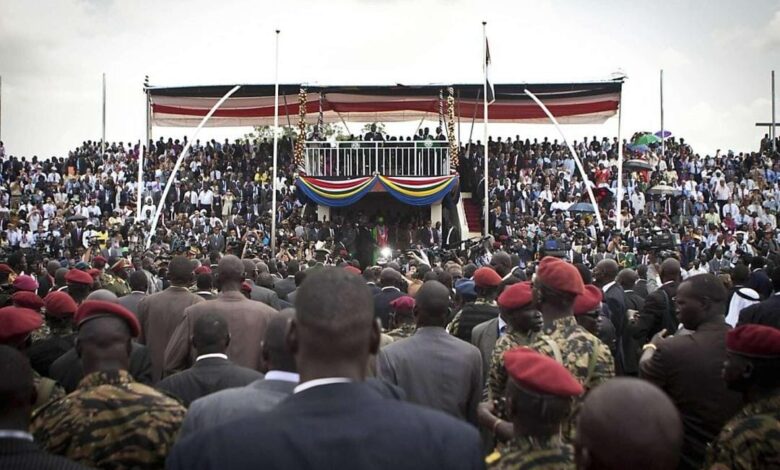
On July 9, 2011, the world watched as the newest country on the map of the world was born, after South Sudan officially declared its independence from SudanIn a moment that millions considered the end of decades of war and the beginning of a new era of peace and development, the nascent state carried great hopes, supported by huge oil wealth and broad international recognition. However, the path that began with celebrations was not without crises.
Account statement from the declaration of independence on July 9, 2011, until 2026
Over the past 15 years, South Sudan has navigated between war and peace, political agreements that faltered in implementation, and successive economic and humanitarian crises. Meanwhile, state institutions have struggled to consolidate stability and build a political system capable of meeting citizens' aspirations.
Today, on the fifteenth anniversary of its independence, South Sudan stands at a crossroads. It is preparing to hold the first general elections in its history, while the challenges of security, economy, and the implementation of the peace agreement continue to cast a shadow over the young nation's future.
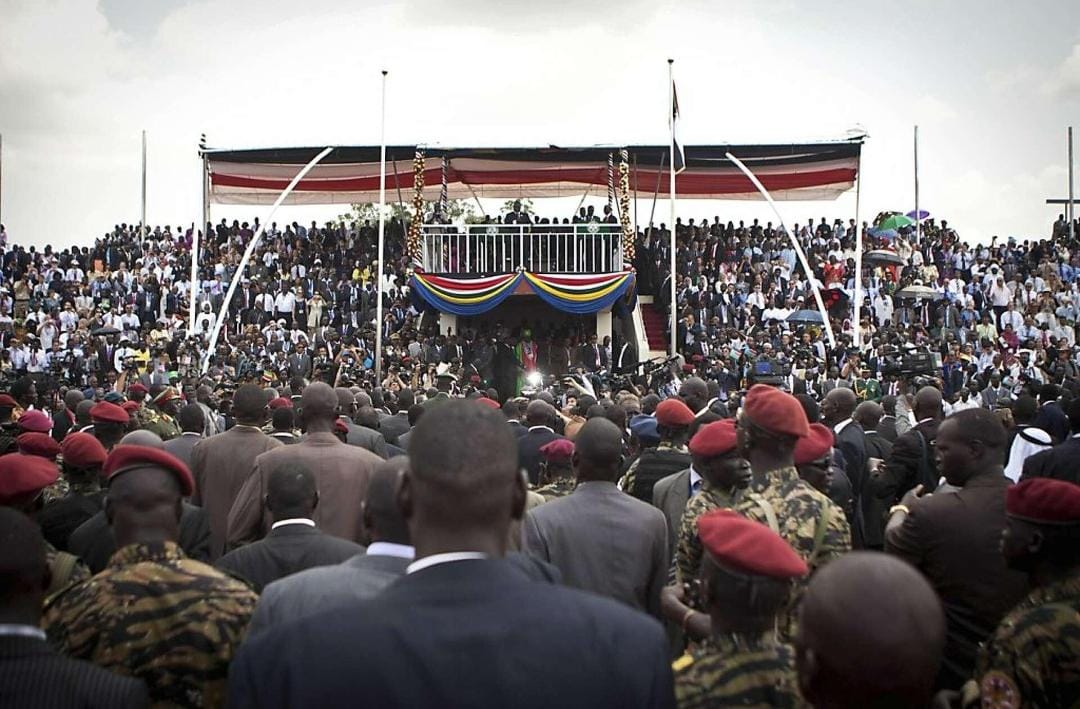
2011, the birth of the state
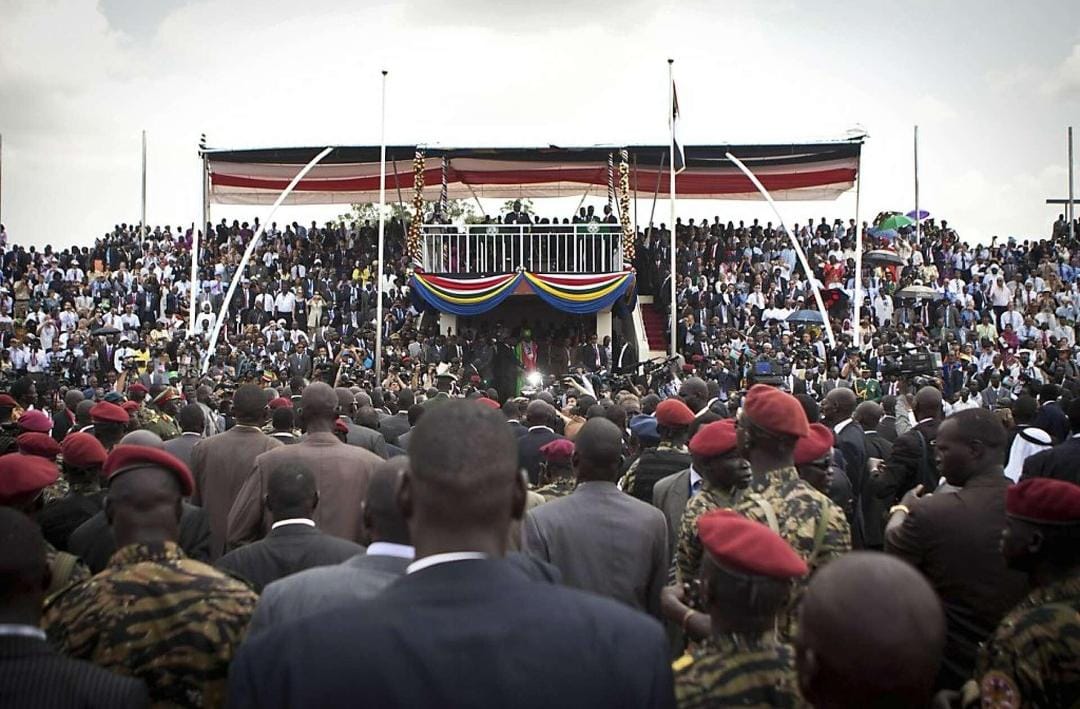
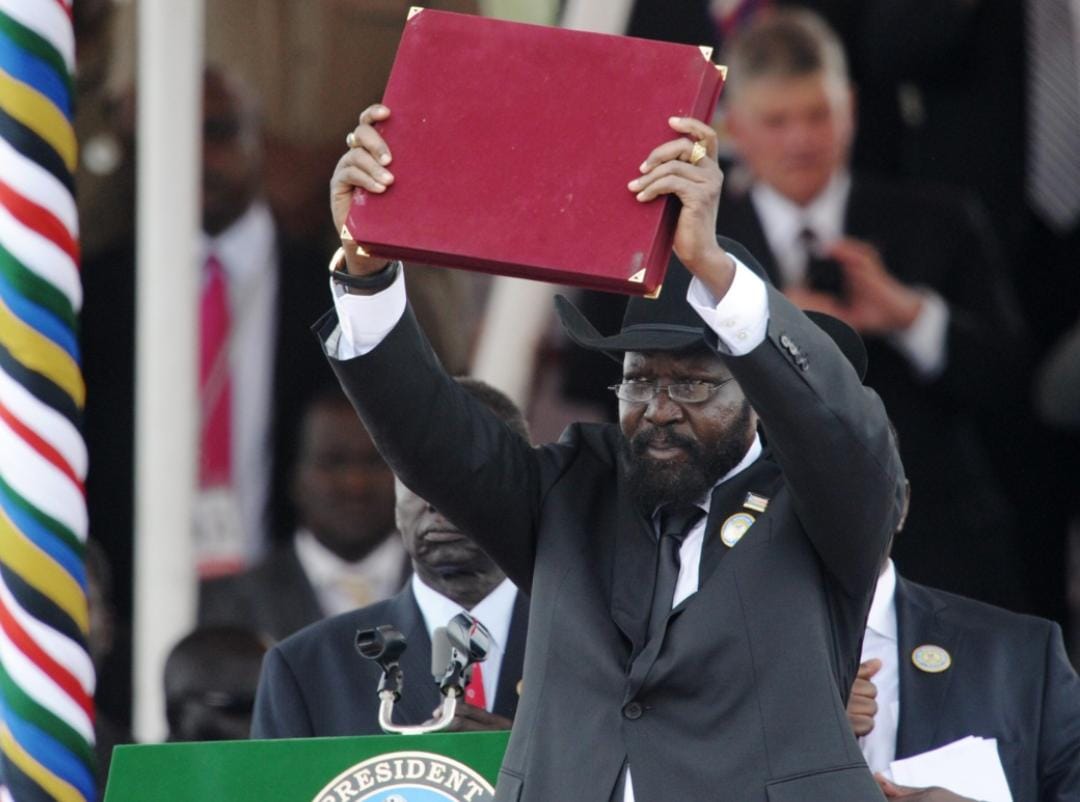
On July 9, 2011, South Sudan officially declared its independence, and Salva Kiir Mayardit was sworn in as the country's first president. Days later, the nation became the 193rd member state of the United Nations and also joined the African Union.
The new state inherited approximately 75% of oil reserves from the former Sudan; however, crude oil exports continued to rely on pipelines and ports located within Sudan, which left the economy vulnerable to any political dispute between the two countries.
2012. Oil ignites the first crisis.
In January 2012, the Juba government halted oil production entirely due to a dispute with Khartoum over oil transit fees, plunging the country into its first real economic crisis since independence.
In the same year, border clashes broke out between Sudan and South Sudan, most notably in the Heglig region, before the tension subsided through African mediation.
2013.. Civil War
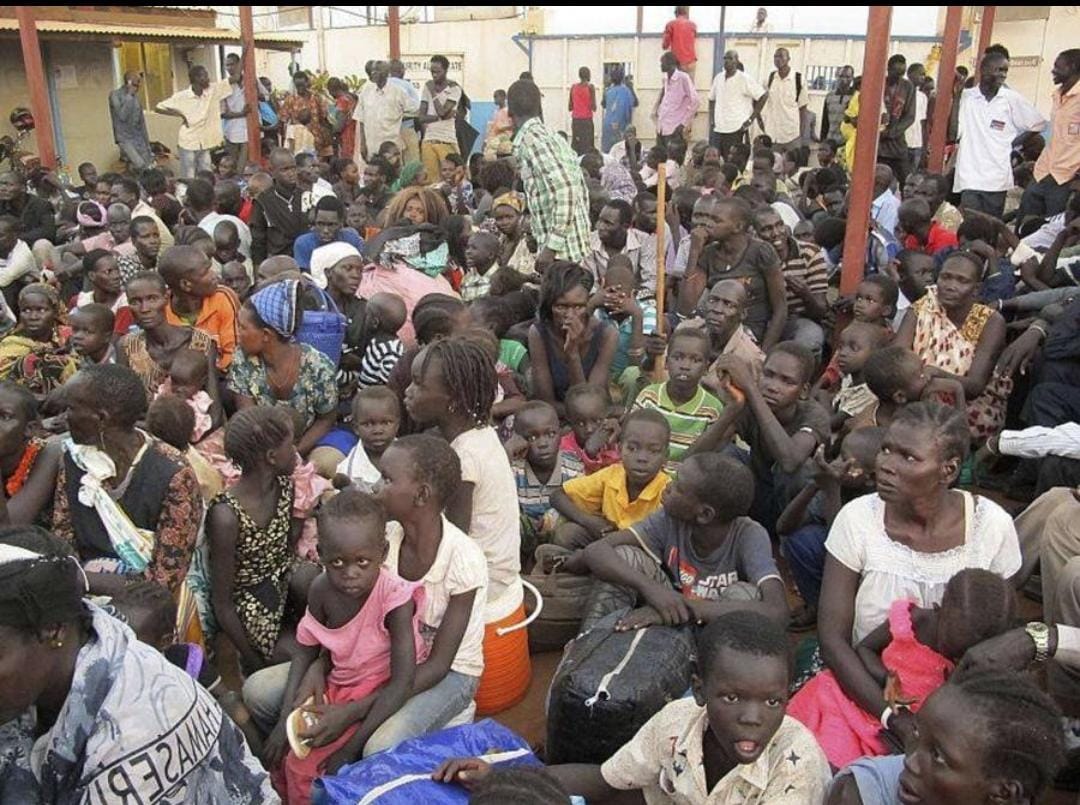
In December 2013, an armed conflict broke out between President Salva Kiir and his former Vice President Riek Machar, after the President accused him of attempting a coup. The political dispute quickly escalated into a civil war with ethnic dimensions, plunging the country into one of Africa's worst humanitarian crises.
2014.. Negotiations without results
Fighting continued despite the start of peace negotiations sponsored by the Intergovernmental Authority on Development (IGAD), while the United Nations warned of expanding displacement and deteriorating humanitarian conditions.
2015.. First peace agreement
In August 2015, the two parties to the conflict signed the first peace agreement, which stipulated a ceasefire and power-sharing, but it faced significant implementation difficulties.
2016... The Collapse of the Agreement
In July 2016, clashes resumed in the capital, Juba; the peace agreement collapsed; and Riek Machar was forced to leave the country.
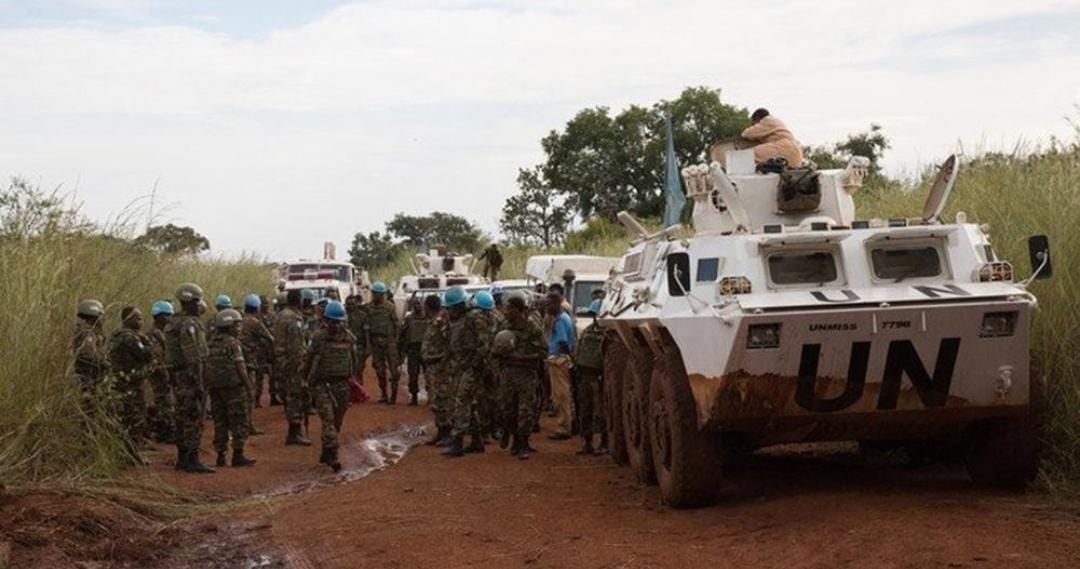
In the same year, the United Nations warned of the risks of widespread atrocities if the conflict continued.
2017.. Famine
The United Nations has officially declared a famine in parts of Unity State, resulting from the war and economic collapse, while the number of displaced persons and refugees has risen to millions.
2018.. A new agreement.
In September 2018, the government and the opposition signed the “Revitalized Peace Agreement,” which stipulated the formation of a national unity government, the unification of the armed forces, and the preparation of a new constitution in preparation for elections.
2019.. Postponement of execution
The year witnessed the postponement of the formation of the transitional government due to disputes over administrative borders, power-sharing, and the integration of military forces.
2020.. Government of National Accord
In February 2020, the National Unity Government was formed, and Riek Machar returned to the position of First Vice President, a move considered the most significant political development since the outbreak of the war.
2021... Peace is advancing slowly
Despite the de-escalation of fighting between the parties to the agreement, local violence continued, while the implementation of key files stalled, most notably the unification of the army and the drafting of a permanent constitution.
2022.. Extension of the transitional period
The government announced the extension of the transitional period for an additional two years, postponing the elections, due to the non-completion of the peace agreement's provisions.
2023.. Consequences of the war in Sudan
The war in Sudan has had a direct impact on South Sudan, with hundreds of thousands of refugees fleeing across the border, in addition to disruptions to trade and oil shipments.
2024.. A new oil crisis
Oil exports were damaged after the pipeline passing through Sudanese territory was disrupted due to the war, causing a decrease in government revenues, while the authorities decided to postpone the first general elections until December 2026.
2025... Ongoing Challenges
The United Nations continued to warn of the slow implementation of the peace agreement and ongoing violence in some areas, amid international calls to accelerate political reforms.
2026... 15 years of independence
South Sudan is celebrating its fifteenth anniversary of independence this year, as the country prepares for the first general elections in its history, scheduled for December 2026. Amid hopes that this will mark the beginning of a new phase, challenges related to security, the economy, and state-building remain.
Account statement in numbers
Within fifteen years of its declaration of independence, South Sudan has experienced pivotal moments that have shaped the trajectory of the nascent state. Since 2011, Salva Kiir Mayardit has headed the country without any general elections. The civil war that broke out in December 2013 resulted in approximately 400,000 deaths, according to estimates from a study by the London School of Hygiene & Tropical Medicine.
The humanitarian crisis remains one of the biggest challenges facing the country. The United Nations confirms that more than 9 million people need humanitarian assistance, while oil remains the main source of the country's revenue, despite recurring crises that have affected its production and export. This has directly impacted the economic situation and the future of development in the world's newest country.