Salva Kiir forms emergency committee to end illegal tax exemptions in South Sudan
Comprehensive review of all tax exemptions granted to individuals, companies, NGOs, and diplomatic missions.
Written by: Ayman Ragab
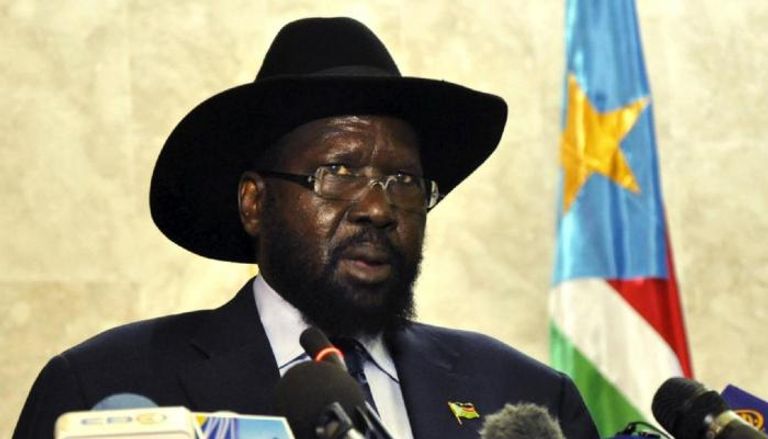
The President of the Republic of South Sudan, Salva Kiir Mayardit, issued a presidential decree forming an emergency committee to review, monitor, and terminate illegal tax exemptions. This move aims to enhance public revenues, tighten control over tax privileges, and curb practices that have caused losses to the state treasury.
Comprehensive review of all tax exemptions
Under the decision, the committee was tasked with conducting a comprehensive review of all tax exemptions granted to individuals, companies, NGOs, and diplomatic missions, to verify their compliance with applicable laws and regulations, and to assess their financial impact on government revenue.
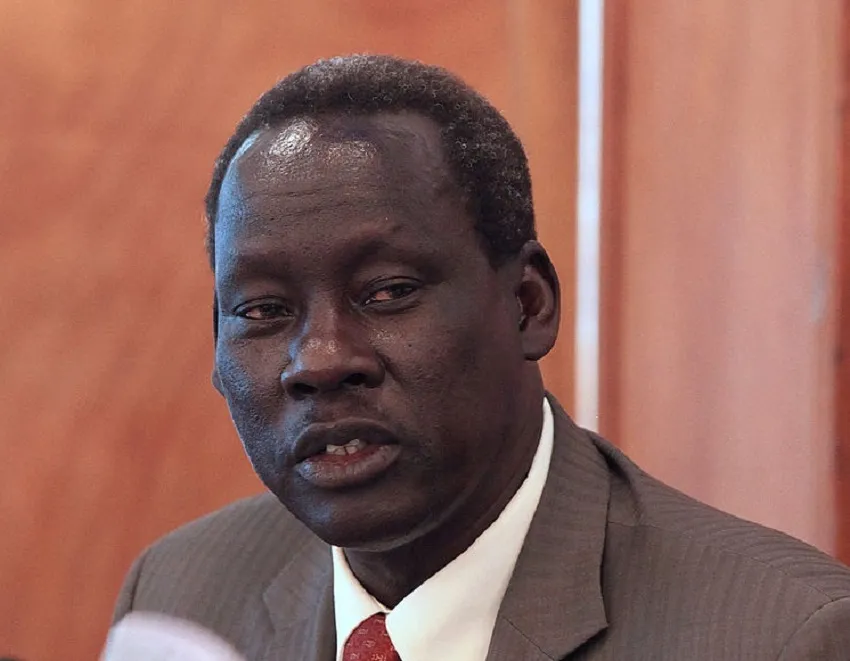
The committee is chaired by the Minister of East African Affairs, Vian Dang Kuol, while the Minister of Information, Communication and Postal Services, Ateny Weik Ateny, serves as the committee's deputy chairman, alongside membership from a number of ministers and government officials.
The presidential decree stipulated granting the committee the powers to cancel exemptions proven to have been granted in violation of the law, and to enhance coordination between the relevant government institutions to ensure the standardization of exemption granting and monitoring procedures, as well as to submit recommendations for legal or administrative action against anyone proven to be involved in granting or benefiting from illicit tax exemptions.
Submit an initial report to the Presidency of the Republic within 30 days
The decision also obligated the committee to submit an initial report to the presidency within 30 days of commencing its work, with its final and comprehensive report to be submitted within 60 days, including the audit findings and necessary recommendations to address shortcomings and enhance compliance with financial laws.
This step comes at a time when the South Sudanese government is intensifying its efforts to expand the tax base, increase non-oil revenues, and enhance transparency and fiscal discipline, in light of the economic challenges facing the country and the growing need to improve the efficiency of public resource management.