In an exclusive interview with Zoom Africa News, the Minister of Water Resources and Irrigation stated that water in Africa is an "existential necessity" and that cross-border cooperation is a bridge to peace, not conflict.
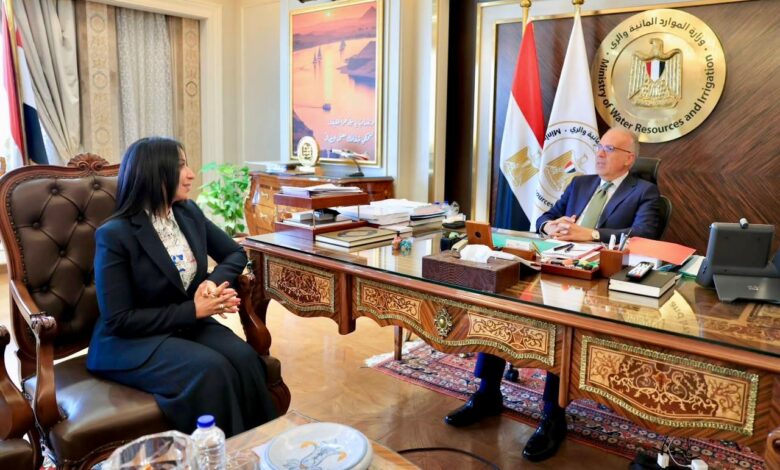
Egypt spent $100 million on development projects in the Nile Basin countries.
Water security for one country cannot be achieved at the expense of another... and international law is our reference point.
Egypt's vision for water management in Africa is based on "developmental partnership" rather than mere technical cooperation.
90% of Africa's surface waters are transboundary... and joint action is the continent's "destiny".
Sustainable development is not achieved through unilateral actions, but through consensus and the exchange of benefits.
The equitable and reasonable use of water is the key to stability and prosperity.
An ambitious plan to build water reservoirs and solar power plants in Uganda, Rwanda and Congo.
1780 African trainees have benefited from Egyptian expertise... and we are preparing a generation of "water ambassadors".
Artificial intelligence and digitalization are the future of water management in Africa... and Egypt is ready to share its expertise.
The AWARe initiative and the second generation of the water system (2.0): An Egyptian vision to confront climate change in the continent.
We seek to transform water cooperation from bilateral projects to regional programs that link “water, food and energy”.
Dr. Hani Sweilem calls on Egyptian companies to seize investment opportunities in water and infrastructure projects in Africa.
Egypt's presidency of the African Water Facility opens the doors to funding for major development projects.
“Water that we manage well through cooperation produces food and energy… and the lack of coordination wastes development opportunities.”.
“The success of any water project is not measured by the facilities, but by its ability to change the lives of African citizens.”.
Interview by: Sally Atef
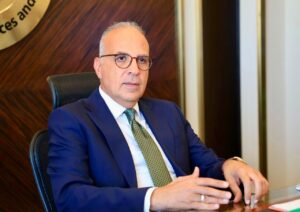
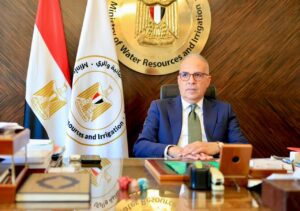
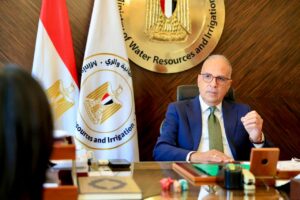
Dr. Hani Sweilem, Minister of Water Resources and Irrigation, affirmed that Egypt views the water issue in Africa as a genuine development partnership, not merely technical cooperation or exchange of visits, adding that Cairo has implemented development projects in the Nile Basin countries at a cost exceeding $100 million.
In an exclusive interview with Zoom Africa News, he said that transboundary waters should be a means of cooperation and peacebuilding, not a source of dispute and conflict. He explained that Africa's Water Vision 2063 indicates that about 90% of the continent's surface water is transboundary, and that about 40% of Africa's population depends on shared groundwater reservoirs, which means that water cooperation for Africa is not an option, but an existential and developmental necessity.
He pointed out that the water security of any African country should not be achieved at the expense of another country. The right way is cooperation, exchange of benefits, respect for international law, and investment in science, innovation, and youth.
Dr. Sweilem revealed the repercussions of climate change, Egypt’s partnerships with its brothers in the African continent, the most prominent challenges facing African water security, and Egypt’s efforts to enhance joint work in the field of water resources and irrigation.
And now to the text of the dialogue
How do you assess Egypt's position within the water resources management file in Africa? And what are the most prominent achievements that the ministry has made in strengthening cooperation with African countries?
Egypt views water issues in Africa as a genuine development partnership, not merely technical cooperation or exchange visits. Our goal is for African citizens to experience the impact of this partnership through access to safe drinking water, protection from floods, job creation through fishing, agriculture, and navigation, and the development of national talent capable of managing their resources efficiently.
The ministry has implemented development projects in the Nile Basin countries at a cost exceeding $100 million, including solar-powered wells and groundwater stations, river marinas, underground reservoirs, rainwater harvesting dams, rain and flood forecasting centers, and water quality analysis laboratories.
In Uganda, the Egyptian-Ugandan project to combat aquatic weeds, launched in 1999, has contributed to clearing waterways and revitalizing fishing and navigation, in addition to establishing marinas, rainwater harvesting dams, and fish farms. In South Sudan, waterway clearing projects, drinking water stations, and forecasting centers have helped support local communities and reduce flood risks.
At the institutional level, Egypt chaired the African Ministerial Council on Water from 2023 to 2025, during which time it worked to strengthen African cooperation in the field of water. It currently chairs the African Water Facility, reflecting the confidence of African countries in Egyptian expertise and its ability to combine technical, diplomatic, and financial dimensions..
Capacity building in African countries
Egypt pays great attention to capacity building in African countries through training and transfer of expertise. What are the most prominent programs currently being implemented by the Ministry? And what is their impact on Egypt’s relations with the continent?
We believe that implementing a development project is the beginning, not the end, of the work. The sustainability of any water facility depends on having a national workforce capable of operation, maintenance, management, and development. Therefore, capacity building is a fundamental part of all cooperation projects that Egypt implements with African countries.
We are also keen to promote the exchange of experiences and knowledge among African countries, based on the similarity and interconnectedness of the water and climate challenges facing the countries of the continent, which allows us to benefit from successful experiences and adapt them to suit the circumstances and needs of each country.
The ministry implements training programs in the areas of integrated water resources management, groundwater, well operation and maintenance, modern irrigation, remote sensing, geographic information systems, modeling, flood forecasting, drought management, dam safety, water diplomacy, and the preparation of fundable projects.
The ministry is particularly focused on implementing the «Training of Trainers» (TOT) system, which contributes to preparing African cadres capable of transferring the knowledge and experience they have acquired to larger numbers of specialists within their countries, and multiplies the sustainable impact of training programs.
These programs are carried out through the African Centre for Water and Climate Adaptation (PACWA), which represents an integrated platform for training and capacity building, and is equipped with the latest equipment, technologies and training capabilities, in order to support the provision of specialized applied programs according to the needs of African countries.
The Ministry’s programs have benefited approximately 1,780 trainees from African countries, and many engineers and technicians have benefited from the AWARe Initiative and the African Center for Water and Climate Adaptation programs, in addition to launching the African Water Ambassadors Program with the participation of 200 trainees from 27 African countries.
The real impact of these programs lies in building an African network of experts and specialists who have ongoing professional relationships with Egypt, and many of them have later become leaders in water institutions in their countries, which enhances trust, institutional communication and exchange of experiences between Egypt and its African brothers..
In light of the growing challenges posed by climate change, how can African countries strengthen cooperation to address the effects of drought and floods and achieve water security?
The effects of climate change are becoming a daily reality in Africa, with longer droughts, more intense rainfall, flash floods, shifts in planting seasons, and a decline in water quality. While the continent contributes a small percentage to global emissions, it bears a significant share of the impact.
The goal is to shift from managing crises after they occur to predicting and preparing for them in advance. This requires establishing regional early warning networks, exchanging data on rainfall, water levels, and flow, creating flood and drought risk maps, and linking water institutions with meteorological, agricultural, and civil protection agencies.
We have practical examples. Egypt has established centers for forecasting rain and floods in the Democratic Republic of Congo and South Sudan. These centers operate with high accuracy and have received great appreciation from experts in those countries. Egypt has also supported the establishment of measurement stations and dams for rainwater harvesting in a number of countries.
During the COP27 climate conference, Egypt also launched the Adaptation and Resilience Initiative (AWARe) in the water sector, with the aim of placing water at the heart of the climate action agenda, supporting African countries in capacity building and early warning, preparing adaptation projects, and accessing climate finance.
What is your vision for promoting joint and equitable management of transboundary rivers in Africa, in a way that achieves sustainable development and avoids sparking water-related conflicts?
Transboundary water resources should be a means of cooperation and peacebuilding, not a source of discord and conflict. Africa’s Water Vision 2063 indicates that approximately 901 TP3T of the continent’s surface water is transboundary, and that roughly 401 TP3T of Africa’s population depends on shared aquifers. Therefore, water cooperation for Africa is not an option, but an existential and developmental imperative.
The vision of the Egyptian Ministry of Water Resources and Irrigation is based on a commitment to applying the rules of international law regulating the management of shared waterways, foremost among which are the equitable and reasonable use of water resources, not causing significant harm, cooperation in good faith, exchange of data and information, and prior notification and consultation regarding projects that may have transboundary effects.
Nile waters
Equitable use does not mean sharing water in an equal, mathematical way, but requires looking at a range of factors, including the number of people who depend on the water resource, socioeconomic needs, existing uses, climatic and hydrological conditions, and the availability of water resources in each country, including surface water, groundwater, green water associated with rainfall and soil moisture, as well as the availability of water alternatives and the impact of any project on other countries.
The ministry also sees the need to activate joint cooperation mechanisms for river basins, establish clear rules for data exchange, conduct environmental and social assessments of major projects, manage dams and water facilities in a coordinated manner, and create effective mechanisms for consultation and dispute resolution.
The Permanent Joint Technical Commission for Nile Waters between Egypt and Sudan is a successful model of long-term institutional cooperation, coordinating on facility operation, data exchange, weed control, training, and capacity building. We support the development of similar mechanisms in other African basins, such as the Congo River Basin Organization, the Zambezi River Basin Organization, and other successful organizations in Africa.
Egypt's position is clear; we support the right of all African countries to development, but true and sustainable development is not achieved through unilateral actions or harming others, but rather through consensus, cooperation, and achieving mutual benefit.
Is the Ministry of Water Resources and Irrigation working on implementing new projects with African countries in the fields of modern irrigation, water stations, water reclamation and desalination? What are the most prominent of these projects?
Currently, a growing package of new and proposed projects is being implemented and prepared, which are being identified in full coordination with sister countries and in accordance with their national priorities.
In Uganda, the memorandum of understanding signed in 2025 includes the construction of five water reservoirs, the upgrading of 53 existing groundwater wells to solar power and equipping them with distribution networks, in addition to drilling 50 new wells, and implementing capacity-building programs.
In Rwanda, the memorandum of understanding signed in September 2025 includes cooperation in the areas of watershed protection, drilling groundwater wells, building rainwater harvesting dams, training and exchange of expertise.
In the Democratic Republic of Congo, Egypt has completed the implementation and operation of 11 out of a total of 12 groundwater drinking water stations powered by solar energy, and the application of modern irrigation systems is being explored at one of the model farms.
Development projects are also being explored in Kenya, in addition to work in Tanzania to drill 30 additional wells and build two dams to harvest rainwater.
This is in addition to a number of memoranda of understanding signed with African countries, with the aim of cooperation and exchange of experiences in various fields related to water resources and irrigation.
As for desalination, it is a promising area for future cooperation, especially in the desalination of brackish groundwater or unconventional water using renewable energy, with the need to study each case in terms of cost, energy needs, and safe handling of the highly saline water resulting from the desalination process.
How can the Egyptian private sector contribute to the implementation of water and irrigation projects within African countries? Are there promising investment opportunities in this field?
The opportunities available to the Egyptian private sector are significant, given the African continent’s need to expand water, irrigation, sanitation and flood protection projects.
Egyptian companies possess significant expertise in the fields of dam construction, infrastructure projects, well drilling, pumping station construction, modern irrigation networks, solar energy use, treatment and desalination plants, electromechanical works, and control and monitoring systems.
The Ministry of Water Resources and Irrigation is working to open the way for Egyptian companies to be present in African countries, especially Nile Basin countries, through bilateral cooperation projects and projects that are eligible for funding.
The goal is not limited to implementing facilities and projects only, but also to establishing long-term partnerships that include training, maintenance, providing spare parts, and transferring expertise to the local side, in order to ensure the sustainability of projects and maximize their developmental returns.
Egypt's current chairmanship of the African Water Facility also provides an important opportunity to support the preparation of bankable projects and attract investments.
In addition, there is the regional financing mechanism launched by Egypt under the supervision of the Egyptian Agency for Partnership for Development at the Ministry of Foreign Affairs, Immigration and Egyptian Expatriates Affairs, with an initial contribution of $100 million, to study and implement priority development projects in the countries of the southern Nile Basin, and to provide opportunities for Egyptian companies to participate with their expertise in this field.
What role can technology, digitalization, and artificial intelligence play in improving water resource management within the African continent? And does Egypt have successful experiences that can be transferred?
Technology has become an essential part of water resource management, especially given the vast size of the African continent, the difficulty of accessing some areas, and the limited number of monitoring stations in a number of countries.
Modern technology, such as satellite imagery, allows for monitoring rainfall, lakes, reservoirs, drought, vegetation cover, cultivated areas, and changes in land use.
Drones also help in inspecting water facilities, monitoring encroachments, and tracking changes in waterways and coastal areas.
Artificial intelligence, on the other hand, can analyze huge amounts of data, predict flood and drought risks, determine the water needs of crops, improve the operation of irrigation networks, and monitor pollution and the spread of aquatic weeds.
In Egypt, the Ministry is implementing the National Water Resources Plan 2050, and has launched the second generation of the Egyptian water system «2.0», which includes digital transformation, smart water management, the establishment of a flexible infrastructure, adaptation to climate change, and strengthening governance and capacity building.
Egypt is ready to transfer its expertise to sister African countries, according to each country’s needs, circumstances and national priorities.
Water cooperation with African countries
What are Egypt's priorities during the next phase to enhance water cooperation with African countries, in a way that achieves common interests and supports sustainable development?
Our priority is to complete and ensure the sustainability of existing projects and cooperation programs, because the success of any project is not measured solely by the number of facilities implemented, but also by their ability to operate efficiently years after implementation. Therefore, we place particular emphasis on training personnel in operation and maintenance.
Our priorities also include expanding strategic projects that have a direct impact on citizens, such as solar-powered drinking water stations, groundwater wells, rainwater harvesting dams, flood protection projects, early warning centers, modern irrigation, and watershed protection.
We will also continue to support capacity building through the African Centre for Water and Climate Adaptation, training of trainers programs, and assisting African countries in preparing bankable projects.
We will continue to support cooperation within shared basins, maintain inclusive regional frameworks, and work to restore inclusiveness and consensus within the Nile Basin Initiative, as the only framework that includes all Nile Basin countries, in addition to maximizing the role of river basin organizations and bodies in the African continent.
We will also continue to utilize Cairo Water Week as an African and international platform that brings together governments, experts, financial institutions and the private sector, and allows countries to present their needs and projects, and build actionable partnerships.
How do you see the future of Egyptian-African cooperation in the water sector over the next ten years? And is there a vision for establishing joint regional projects that serve the food and water security of the continent?
We expect that the next ten years will see water cooperation in Africa move from limited bilateral projects to more integrated regional programs, linking water, food, energy and climate.
The continent needs a more developed regional early warning network that allows for the exchange of data on rainfall, drought and floods. It also needs joint programs for climate-smart agriculture, modern irrigation, rainwater harvesting, water reuse, groundwater recharge and protection of wetlands and upper basin areas.
For example, regional programs can be established to link rainwater harvesting dams to farms, drinking water points, and livestock, thus providing multiple benefits to local communities. Similarly, modern irrigation projects can be linked to crop collection, storage, and processing centers, so that the benefits extend beyond increased production to include reduced losses, job creation, and higher incomes for farmers.
The importance of establishing joint African platforms for water data based on satellites and artificial intelligence is also highlighted, providing countries with early warnings, risk maps, and information that supports agricultural planning and drought management.
Regional projects must be linked to food value chains. Water alone does not achieve food security; it must be combined with efficient irrigation, suitable seeds, energy, storage, transportation, processing, and marketing.
Africa's Water Vision 2063
Africa has already adopted the African Water Vision 2063, which views water as a catalyst for achieving the goals of Agenda 2063, including eradicating poverty, achieving food security, supporting industrialization, enhancing resilience to climate change, and driving regional integration.
Is it time to develop a unified African vision for water resource management? And what role can Egypt play in this regard?
The continent has already begun in this direction. In February 2026, African leaders adopted the African Water 2063 vision and policy, which aims to ensure the availability of sustainable water and safe sanitation services, and to support the achievement of the goals of Agenda 2063. The African Union also chose water and sanitation as a key theme for 2026, reflecting the growing importance of the water issue at the political leadership level on the continent.
However, the real challenge lies not in issuing documents, but in transforming them into actionable plans and projects, financing mechanisms, and measurable performance indicators, taking into account the different circumstances of African countries. The needs of coastal countries differ from those of landlocked countries, and the needs of arid regions differ from those of tropical regions, in addition to the disparity in technical and financial capabilities between countries.
Egypt can play an important role in implementing this vision, based on its experience in chairing the African Ministers’ Council on Water, its current chairmanship of the African Water Facility, the AWARe Initiative, the African Centre for Water and Climate Adaptation, and Cairo Water Week.
Egypt can also provide support in preparing bankable projects, building capacity, early warning, groundwater management, modern irrigation, water reuse, employing technology, and promoting water diplomacy.
The common African vision should be based on clear principles, foremost among them African ownership, respect for international law, achieving common benefit, data exchange, the involvement of women, youth and local communities, encouraging the private sector, and linking water to food security, energy, health and stability.
A message to the peoples of Africa
What message would you like to convey through Africa Water News to the people of Africa regarding the importance of water cooperation?
My message to the people of Africa is that water is not just a natural resource, but the foundation of life, health, food, energy, development, and stability, and that every investment in water is an investment in humanity and in the future of generations to come.
The rivers, lakes, and groundwater that connect our countries should be bridges for cooperation and integration, not sources of conflict. Water that we manage effectively through cooperation can produce food and energy, create jobs, and protect communities from drought and floods, while the absence of cooperation and information sharing increases risks and squanders development opportunities.
Egypt's experiences in Africa have demonstrated that water projects can transform communities. When a well is drilled in a remote village, we not only provide drinking water but also alleviate the burden on women and children who previously had to travel long distances to fetch it. When we clear vegetation from a waterway, we restore fishing, navigation, and trade. And when we establish an early warning system, we protect lives and property before floods strike.
Water security for any African country should not be achieved at the expense of another country. The right way is cooperation, mutual benefit, respect for international law, and investment in science, innovation, and youth.
Egypt will continue to extend its hand to all its African brothers to build partnerships based on mutual respect and common benefit. Our true success remains dependent on our ability to ensure that every African citizen has access to safe water, sufficient food, a healthy environment, and a fair opportunity for development and prosperity.