Written by: Mohammed Omran
Civil protection forces in Tunisia are engaged in a frantic race against time to control an unprecedented wave of fires hitting the country in conjunction with a record-breaking heat wave.
Tunisian authorities officially announced that at least nine hundred fires were recorded in just seventy-two hours, between the 20th and 22nd of July, prompting a comprehensive national mobilization and an urgent request for international assistance to contain the disaster.
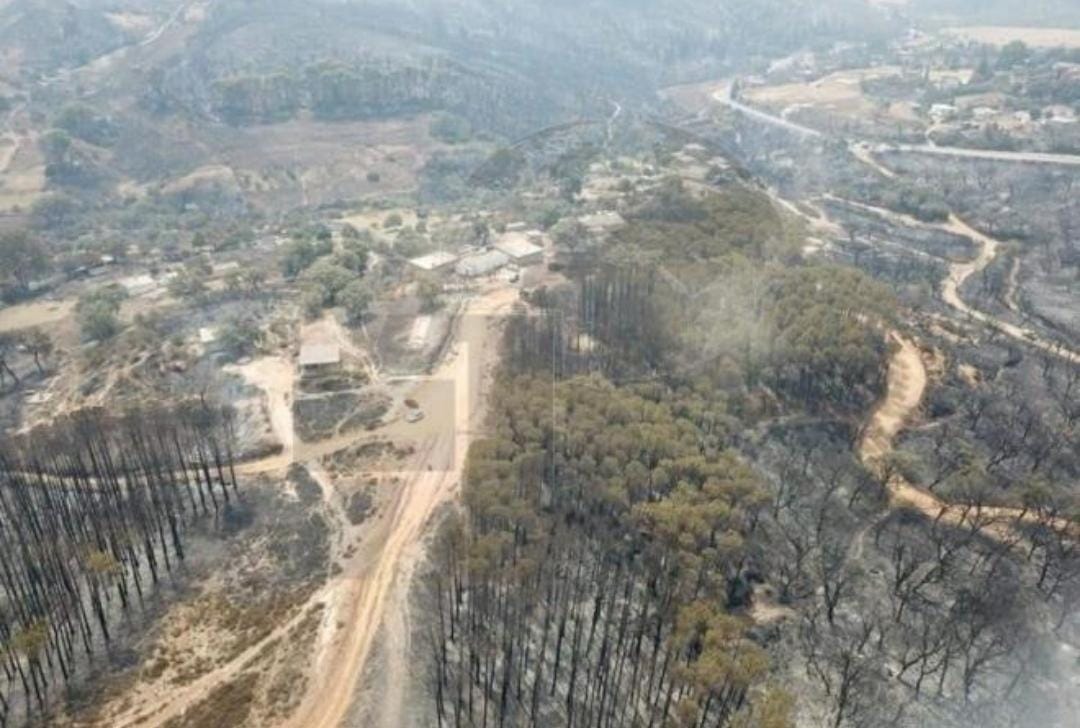
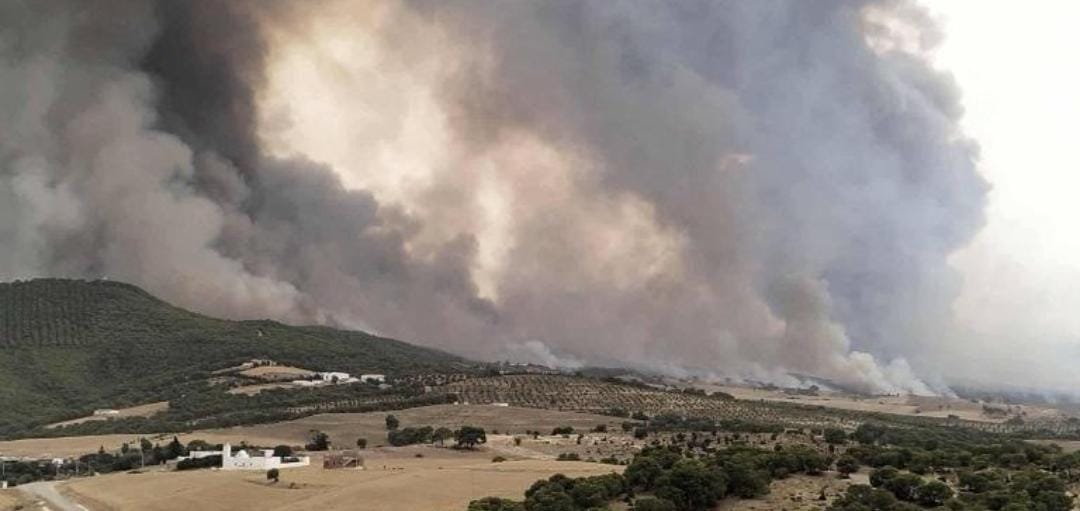
Civil Protection official Khalil Mechri confirmed that the seriousness of the situation lies in the fact that the fires have spread beyond forests and vegetation to include grasslands, agricultural crops, and even reached residential areas. Although field teams have managed to extinguish most of these hotspots, two massive fires are still raging, particularly in the northwestern area of Sakiet Sidi Youssef, prompting a state of maximum alert.
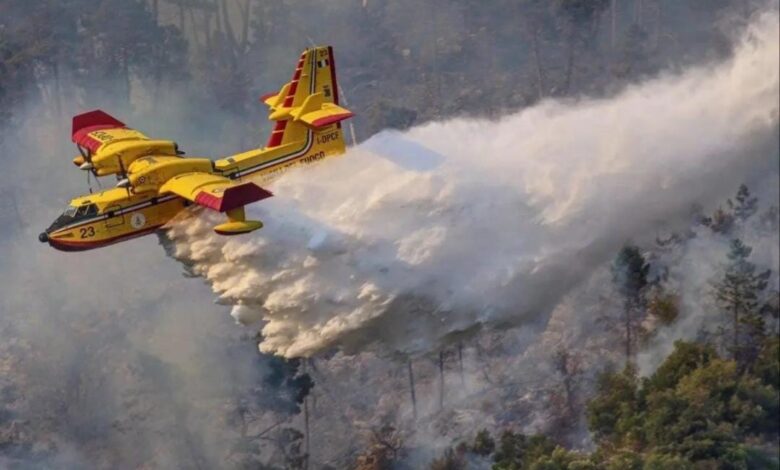
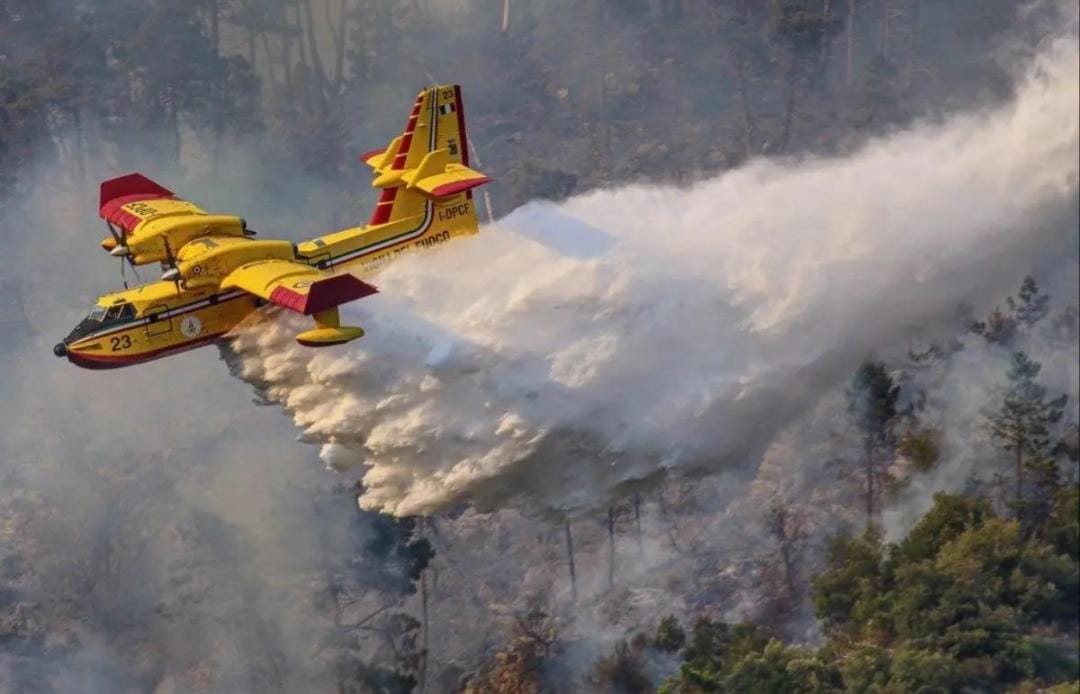
As the fires spread, Tunisian authorities quickly requested assistance from neighboring countries. Colonel Saifeddine Dakhlaoui of the Civil Protection announced the arrival of an Italian firefighting aircraft, joining two Algerian planes in the aerial firefighting efforts. Authorities are heavily relying on a decrease in wind speed and a reduction in the intensity of the flames in the coming hours to facilitate the work of rescue teams on all affected fronts.
These catastrophic fires come as a result of their coinciding with an exceptional heat wave sweeping the country, where temperatures have risen to record levels ranging between forty and forty-nine degrees Celsius depending on the region, exceeding the usual seasonal averages by a significant difference of up to fourteen degrees.
The effects of the crisis were not limited to nature, but also caused severe strain on the national electricity grid, prompting the authorities to implement a system of scheduled power outages to reduce the load.
In this context, officials revealed another factor that contributed to the worsening of the crisis; last winter, which witnessed heavy rainfall, led to an unusually dense growth of vegetation, which, with the drought and extreme heat, turned into fields of dry grass that are highly flammable.
Officials believe that the heavy rains that Tunisia experienced last winter contributed to the growth of a dense vegetation cover, which, with the current heat wave, turned into fuel that helped spread fires in many areas.
The General Directorate of Forests revealed that fires have consumed approximately 4,400 hectares of forest land since the beginning of May until July 23, compared to 2,705 hectares during the same period last year, indicating the escalating scale of the environmental disaster.
Tunisian authorities attribute the fires to a combination of negligence and criminal activity, along with record-breaking high temperatures, while firefighting teams continue their efforts to prevent the fires from spreading to new areas, amid fears that the heat wave will continue in the coming days.