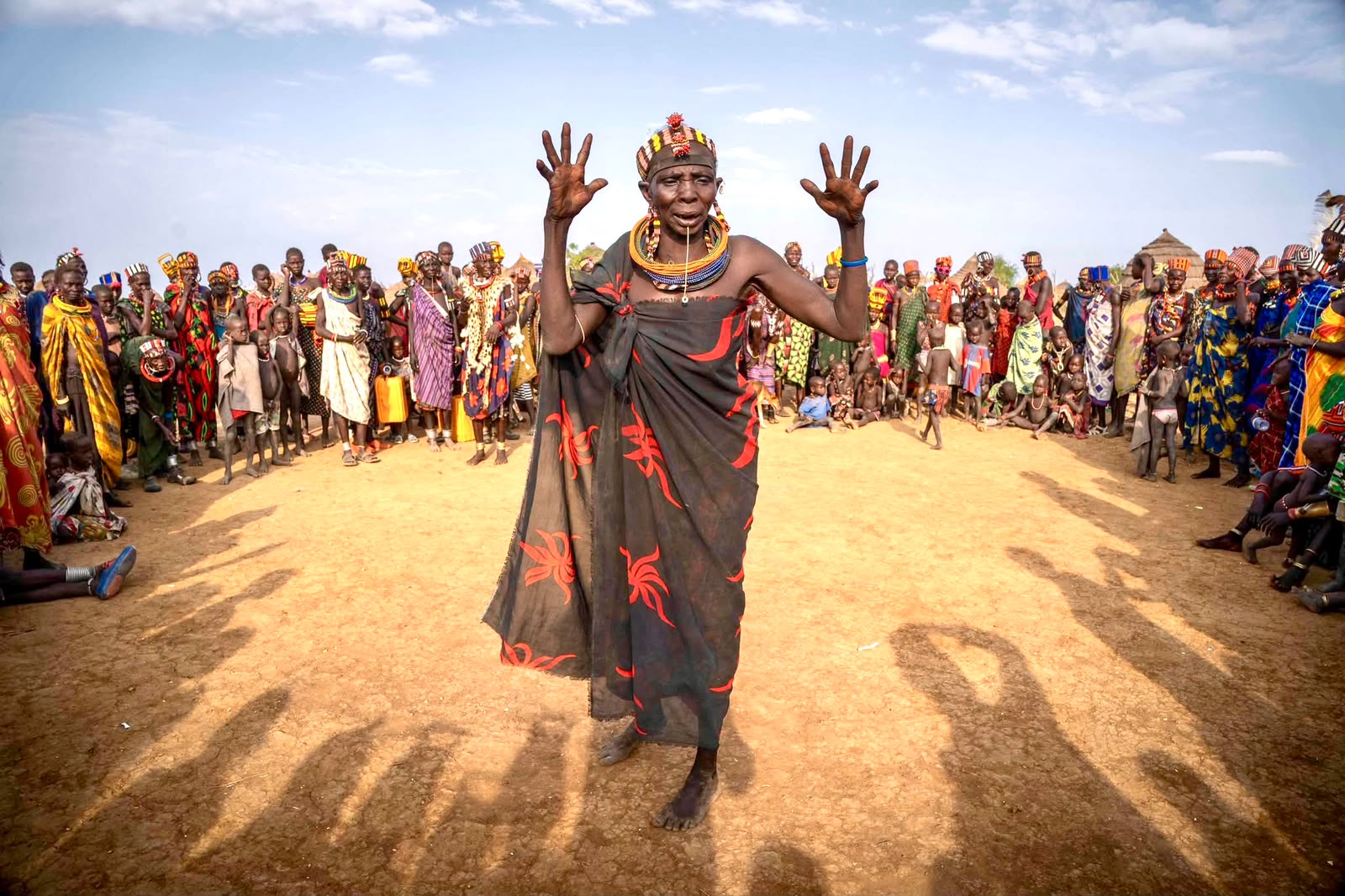
Between herding and agriculture... how did the Ji people preserve their culture across generations?
It relies on agriculture and grazing, making livestock central to the economy and social customs.
Written by: Mohammed Omran
The Jie people, also known as “Jie,” are one of the Nilotic ethnic groups living in Eastern Equatoria State in South Sudan, near the border with Uganda. They are distinguished by their adherence to their customs and traditions, which they have preserved across generations despite the security challenges in the region.
Between herding and agriculture... how did the Ji people preserve their culture across generations?
The people of Ji speak a dialect of the Toposa language, which belongs to the Eastern Nilo-Saharan branch of the Nilo-Saharan language family, reflecting the historical and cultural ties that bind them to neighboring peoples.
The people of Ji rely on agriculture and herding as their primary source of livelihood. Livestock breeding forms the cornerstone of their economy and social life, alongside the cultivation of crops such as sorghum and maize. Livestock is a symbol of wealth and social status, and it is also included in marriage ceremonies as part of the dowry, or bride price.
The constant search for pastures and water sources forces members of the community to move seasonally, which affects their settlement patterns and daily lives.
The social system of the Ji people is based on clans and age groups, with elders playing a key role in leading the community and resolving conflicts, while traditional customs and laws regulate relationships between individuals and promote a spirit of cooperation within the community.
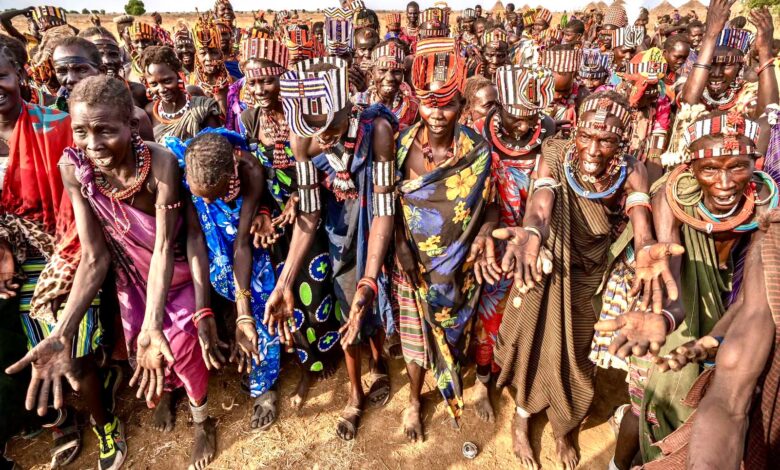
Music and dance occupy a prominent place in the Ji culture, with traditional performances taking place during occasions such as marriage, coming-of-age rites, and harvest celebrations. These performances include group dances, rhythmic jumps, and songs that document history, glorify courage, and express shared values.
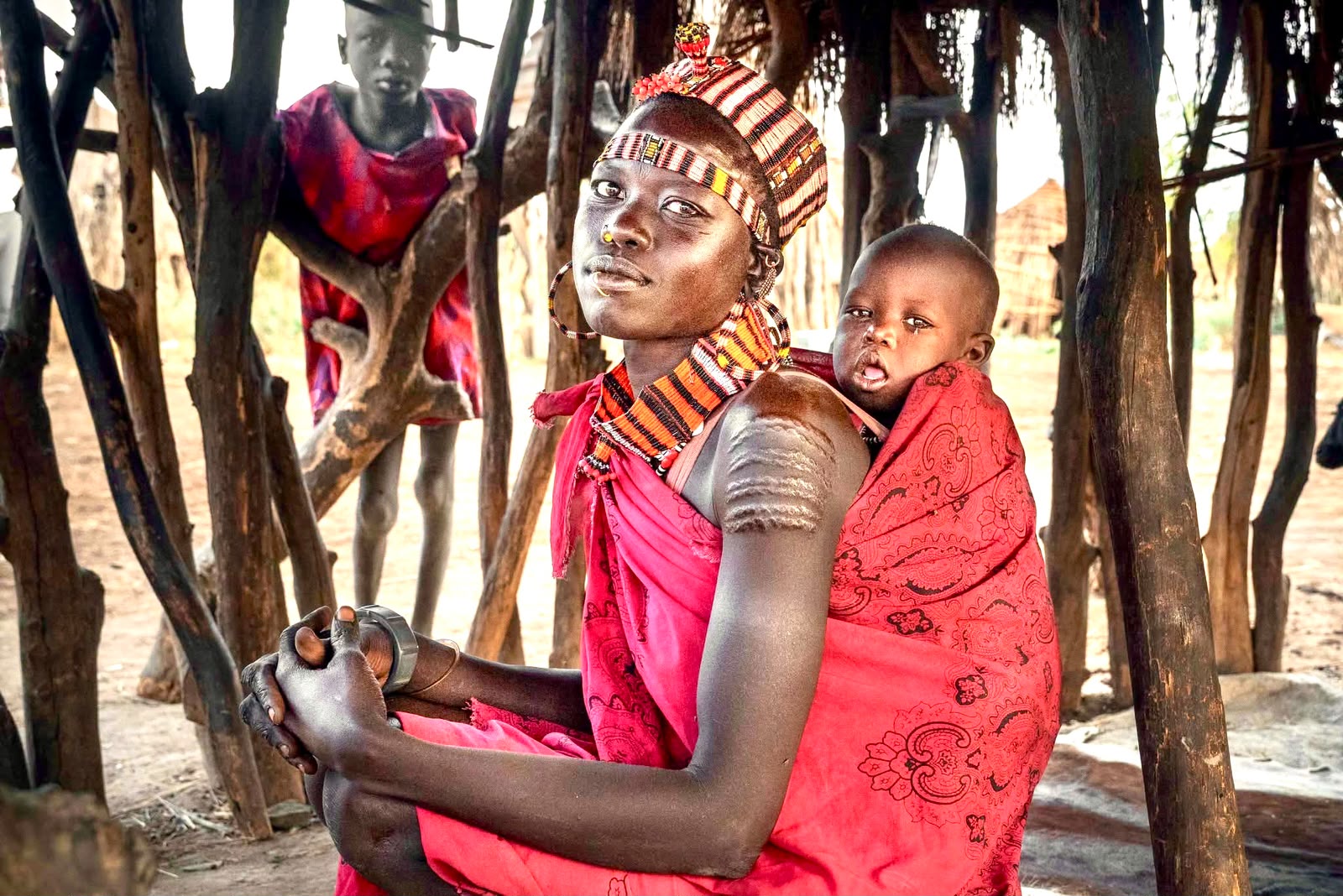
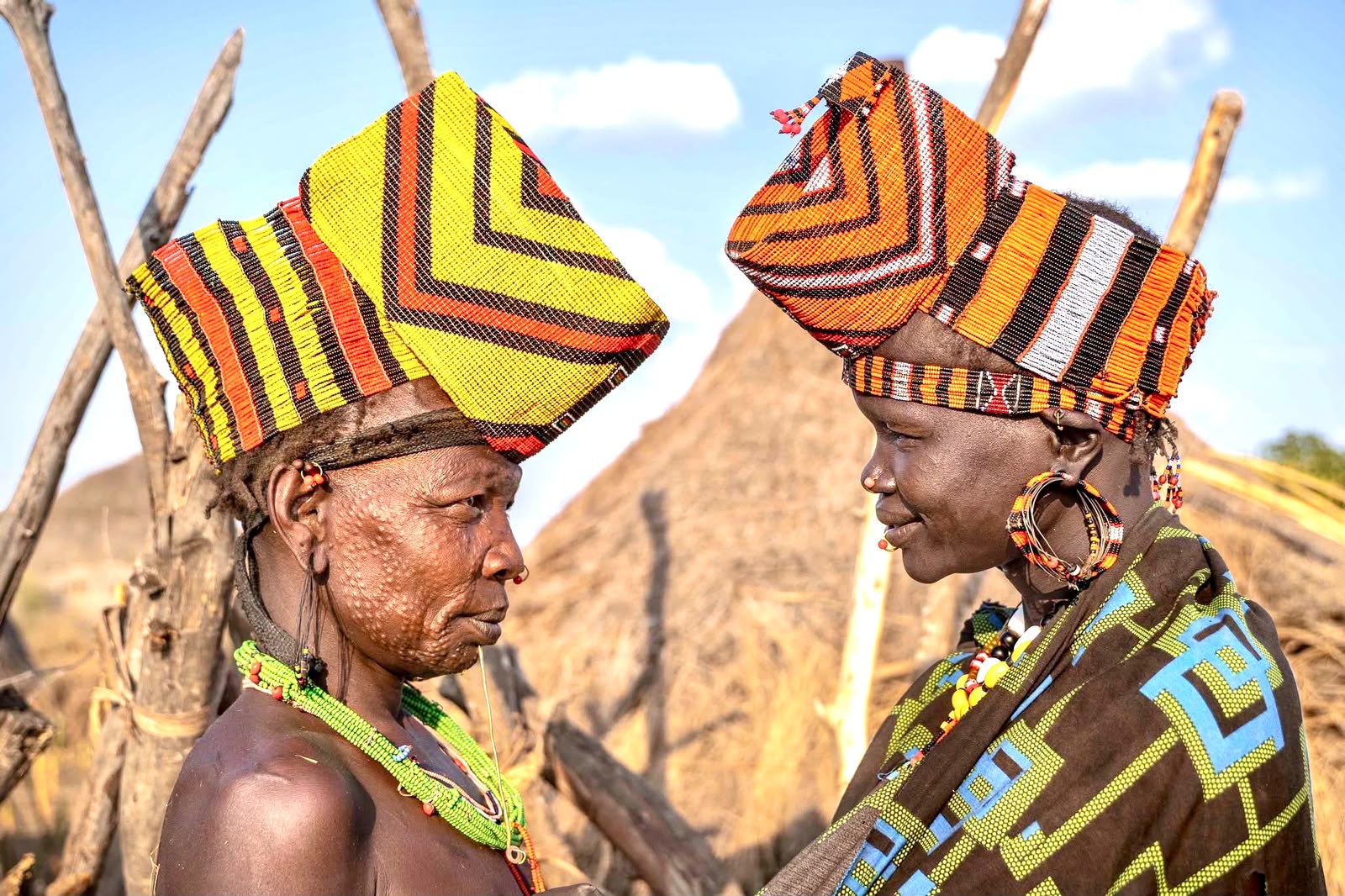
Tribal scars and traditional adornments, such as beads and jewelry, are also prominent manifestations of cultural identity, with the scars being made during rites of passage into adulthood to embody maturity and belonging to the community.
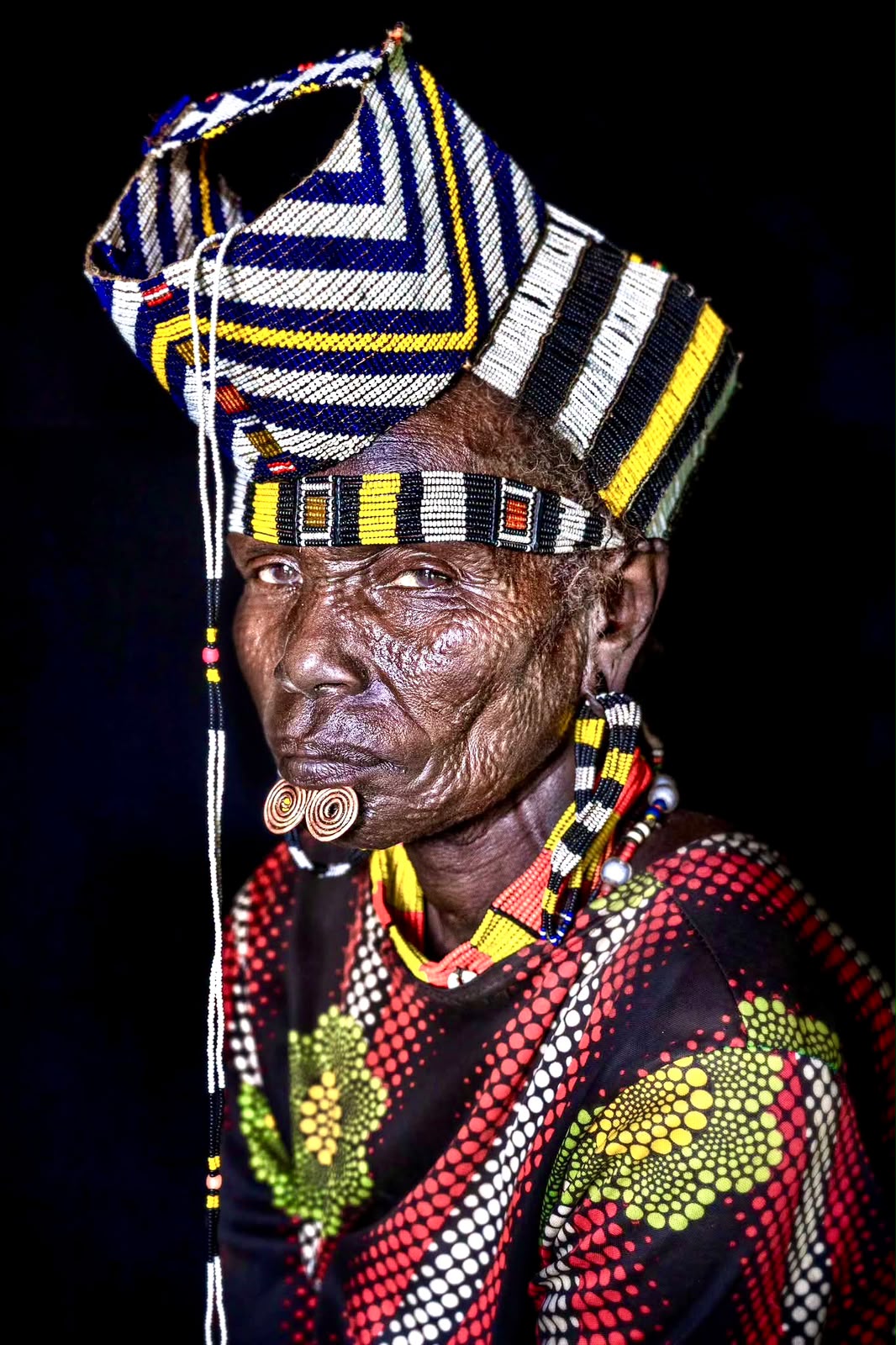
Despite the challenges facing the region, most notably insecurity and cattle raiding, the Jee people continue to preserve their cultural heritage and community identity, relying on inherited traditions and social cohesion to ensure the continuity of their culture across generations.