From famine to celebrations: How did Ethiopians end the most terrifying rule of the Derg in the country's history?
May 28th... the day the Ethiopians overthrew the Derg regime
Written by: Mohammed Omran
Every year on May 28th, they celebrate Ethiopia On the anniversary of the fall of the Derg military regime, one of the bloodiest regimes in the country’s history, which ruled Ethiopia with an iron fist between 1974 and 1991.
How is it celebrated?
The government holds official celebrations and speeches to commemorate the fall of the Derg regime, the streets are decorated with national flags, and Ethiopians reflect on the country's journey towards democracy.
Ethiopia celebrates the anniversary of the fall of the bloody Derg military regime
Ethiopians acknowledge their political progress while remembering past struggles; many attend government-organized celebrations, while others use the day for political reflection and discussions about democracy.
.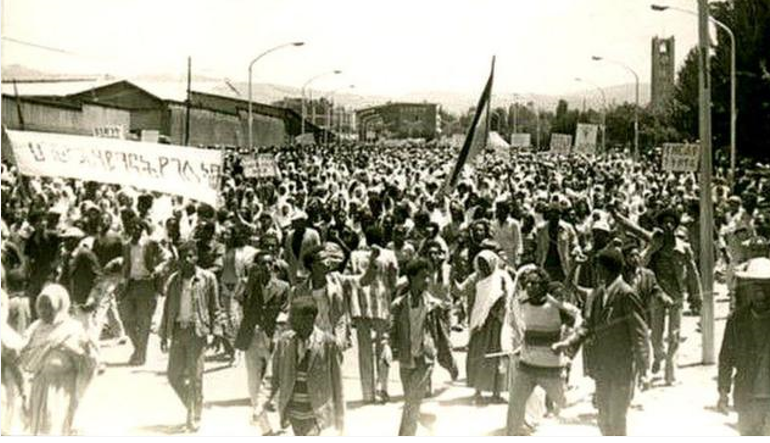
The events include screenings of historical documentaries, art exhibitions, and public discussions about the progress Ethiopia has made.
It hosts activities, public speeches, military parades, cultural performances, and discussions.
The fall of the Derg regime is a national holiday in Ethiopia on May 28, also known as the fall of the Derg regime. It is Ethiopia’s national day and marks the end of the Derg regime in 1991.
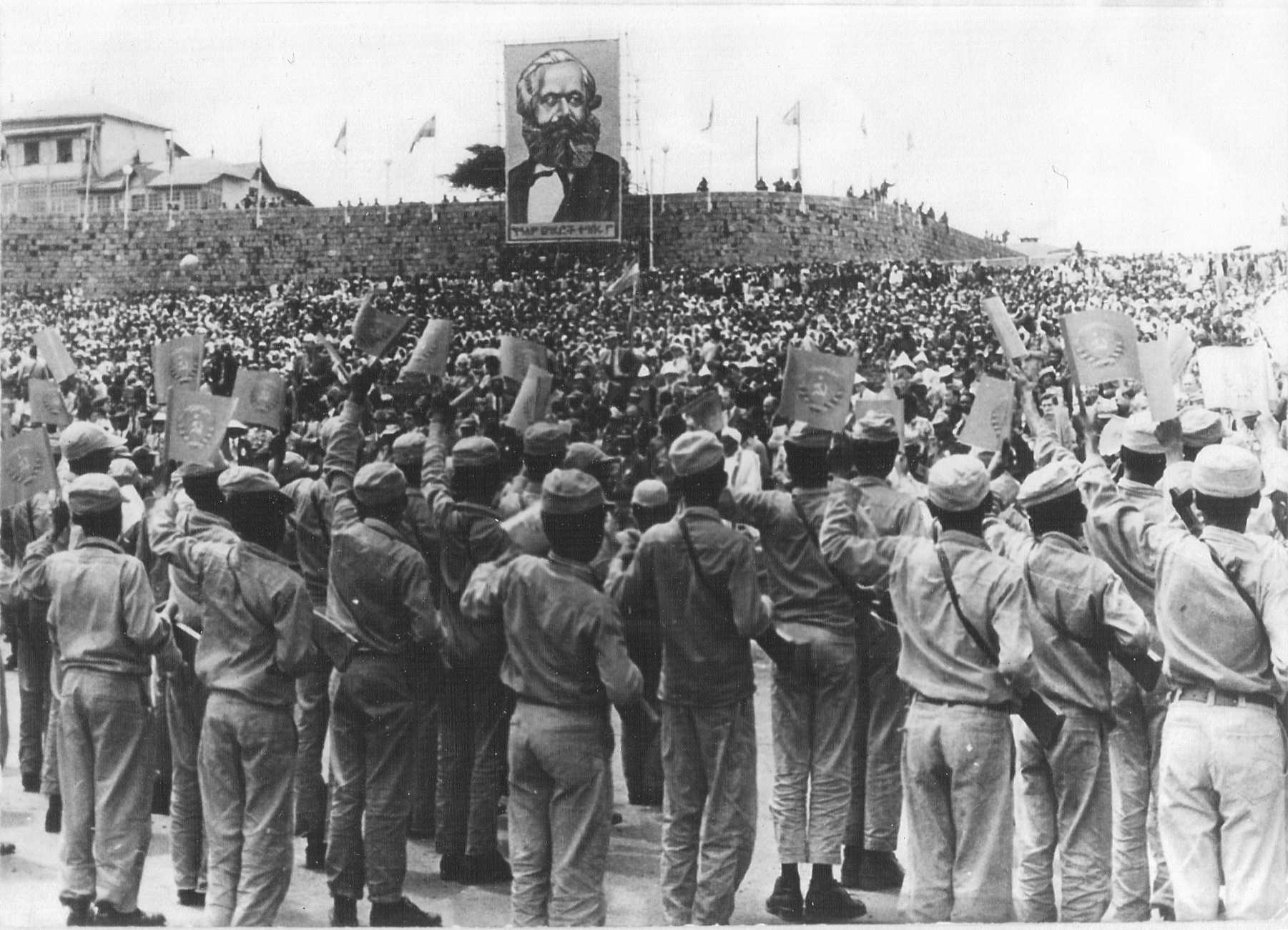
Date of the fall of the Derg regime
Ethiopia had been under the rule of Emperor Haile Selassie since 1930. The 1973 oil crisis led to strikes and famine in Ethiopia, and public opinion turned against the emperor.
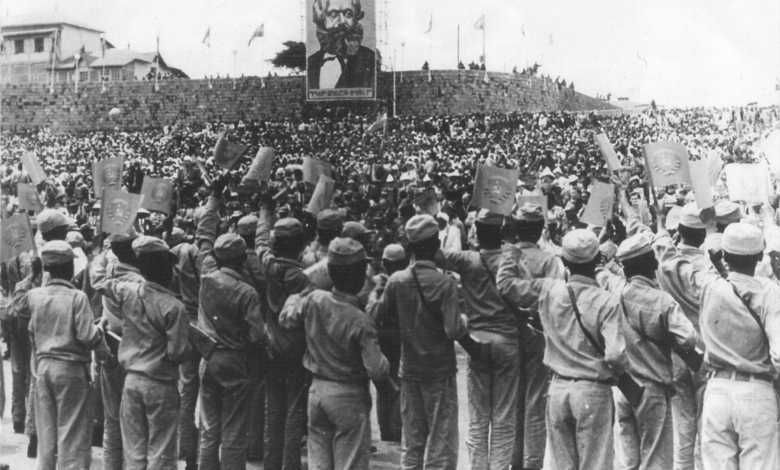
On September 12, 1974, Haile Selassie was overthrown in a military coup led by the Derg regime (meaning “committee” in Amharic), a Soviet-backed military dictatorship headed by Mengistu Haile Mariam. The country’s name was changed to the People’s Democratic Republic of Ethiopia, and the monarchy was abolished in March 1975.
Derg is the short name for the “Coordination Committee of the Armed Forces, Police and Regional Army”. The committee was formed to combat corruption in the army, and the emperor approved its work, without knowing that it would soon lead to the emperor’s own imprisonment.
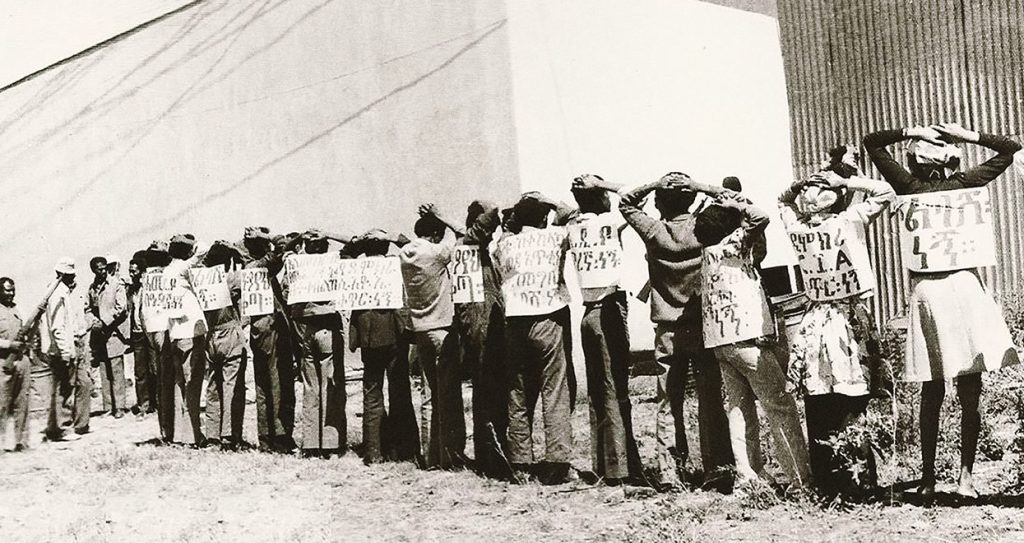
Derg's regime was marked by the Ethiopian Civil War, which continued during his rule and left at least 1.4 million dead.
The regime was also in control of the country in the mid-1980s, when a catastrophic famine swept through the country, attracting the attention of the international community.
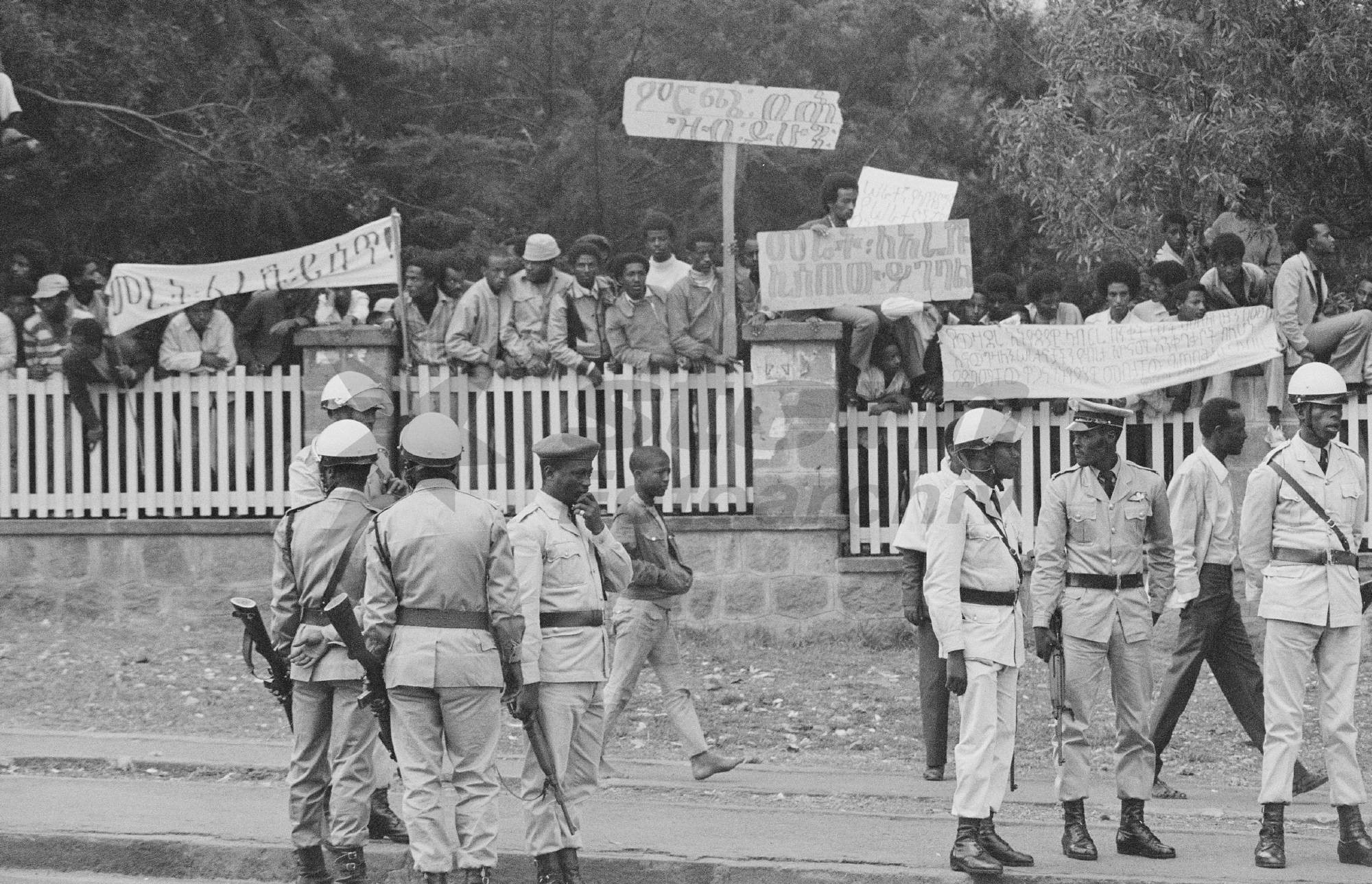
In the late 1980s, the rebel opposition forces became more organized under the Ethiopian People's Revolutionary Democratic Front, and the change in leadership in the Soviet Union meant that the Derg regime would not receive any financial or military support from any country in the Soviet bloc.
In May 1991, after making significant territorial gains in the country, the Ethiopian People's Revolutionary Democratic Front forces advanced towards Addis Ababa, and without any intervention from the Soviet Union, Mengistu fled the country to Zimbabwe on May 21, 1991, thus ending the Derg regime.
Unlike most African countries, Ethiopia does not celebrate Independence Day because it was never a colony. Therefore, the day of the fall of the Derg regime was declared a national holiday for Ethiopia.
To commemorate this day, speeches were delivered to honor those who died in the civil war fighting to overthrow the Derg regime.