Egyptian-Nigerian agreement to implement a smart transportation system in Nigeria
In the presence of Ambassador Mohamed Fouad
Written by Ziad Abdel Fattah:
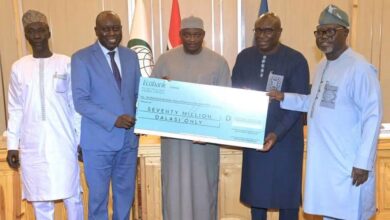
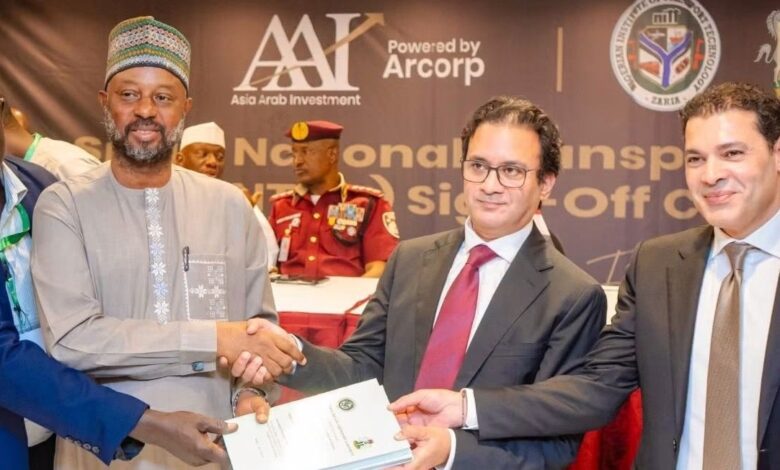
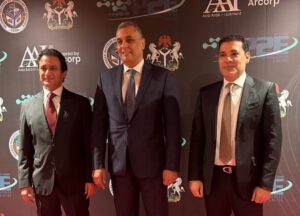
Ambassador Mohamed Fouad, Ambassador of the Republic of Egypt The Arab League in Nigeria, at a signing ceremony of a cooperation agreement between the Asian Arab Investment Company (AAI), affiliated with the Egyptian ARCORP Group, and the Nigerian government, represented by the Nigerian Institute of Transport Technology (NITT), to implement the Smart National Transport Database (S-NTDB) project.
The project is one of the most prominent fruits of cooperation between the two countries.
The project is one of the most prominent fruits of the growing bilateral cooperation between Egypt and Nigeria, as it aims to establish an integrated system for smart transportation and traffic management, based on the latest technologies in the field of smart monitoring.
The project includes the implementation of an electronic sticker system for vehicles.
The project includes the implementation of an electronic vehicle sticker system, the creation of a smart national database, as well as the installation and operation of a modern radar system and vehicle tracking systems, which will contribute to raising the efficiency of the traffic system and enhancing security and safety levels on the roads.
This cooperation reflects the success of Egyptian companies in expanding within African markets and contributing to the implementation of major development projects, which supports the state’s direction towards strengthening economic and technological partnerships with the countries of the continent.
In another context, she is preparing Nigeria To launch 10,000 electric tricycles, in a significant step towards reducing costs and accelerating the adoption of clean energy.
This launch is far from simply providing transportation; it is an attempt to redesign how people, goods, and energy move in Africa's largest economy.
As we consider the true launch of this project, questions abound about the possibility of initiating a revolution in the transport sector, to reshape urban life and logistics across Nigeria.
On another front, labor unions in Nigeria announced plans to reopen negotiations with the federal government regarding the minimum wage, asserting that the current wage structure of 70,000 naira is no longer sufficient to support Nigerian workers in light of escalating inflation and rising living costs.
Read more: Nigeria is preparing to launch 10,000 electric bicycles as part of its transition to clean energy.