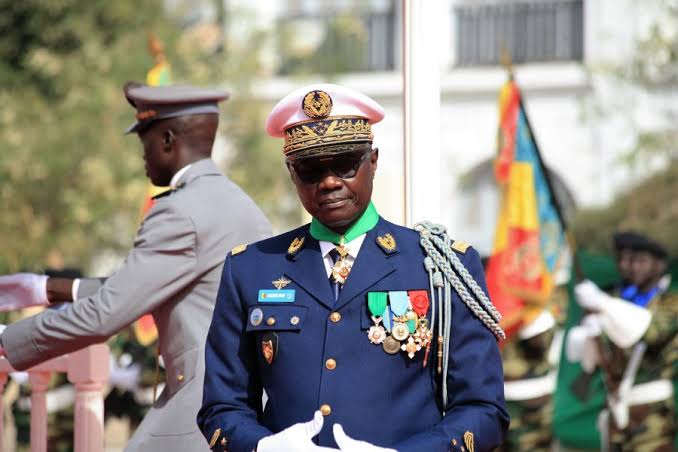
Senegal nominates General Biram Diop for the presidency of the ECOWAS Commission.“
Diop nominated for the presidency of the ECOWAS Commission
Written by: Badr Ahmed
Senegalese President Bassirou Diomène Faye has nominated former Defense Minister General Biram Diop to head the Economic Community of West African States (ECOWAS) Commission, in a move reflecting Dakar's efforts to strengthen its regional role in the coming years.
On Sunday, the Senegalese Ministry of Foreign Affairs announced the selection of General Biram Diop to lead the executive body of the regional organization, confirming that he possesses the necessary qualifications and experience to assume the position at a time when the West African region is facing increasing security and political challenges.
Senegal nominates General Biram Diop for the presidency of the ECOWAS Commission.
The ministry said in an official statement that the Senegalese candidate has extensive experience in the areas of security sector reform, and has contributed to many specialized studies and research, in addition to his role in training and qualifying a number of senior African officials and military personnel through regional and international institutions.
Diop is considered one of Senegal's most prominent military leaders, having held high-ranking positions within the armed forces, including Chief of Staff of the Armed Forces, Chief of Staff to the President of the Republic, and Commander of the Air Force. He also gained significant international experience during his tenure as Military Advisor to the UN Secretary-General on Peacekeeping Operations.
This nomination comes after Senegal, during the 68th session of the ECOWAS Heads of State and Government Conference held in Abuja in December 2025, was granted the right to assume the presidency of the organization’s commission for the period between 2026 and 2030.
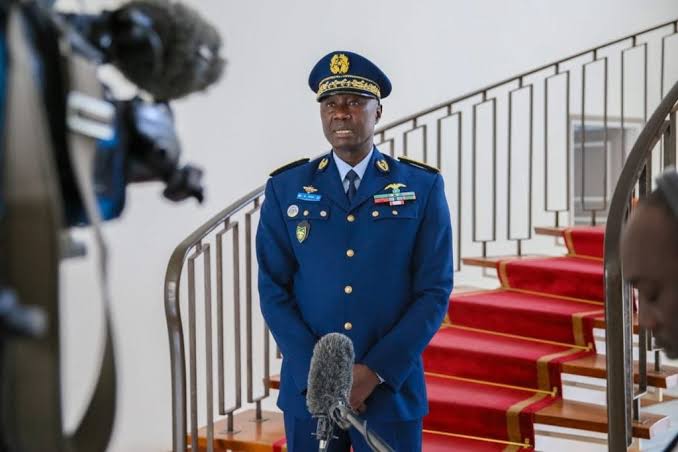
The name of Diop is expected to be formally presented at the upcoming summit of the organization's leaders, scheduled for next July, where his nomination requires the approval of the heads of member states. If approved, he will succeed Omar Ali Touray of The Gambia.
Senegal is also expected to assume the rotating presidency of the group during the next session, succeeding Sierra Leonean President Julius Maada Bio, giving Dakar greater influence within the organization at a time when the region is experiencing successive security and political disturbances, especially in the Sahel and West Africa.
Observers believe that combining the presidency of the organization with the presidency of its commission may enhance Senegal's ability to influence regional issues and support efforts for stability and economic and security integration among the countries of West Africa.