Unknown graves and silent testimonies: New evidence of German colonial massacres in Namibia
Genocide in Namibia: Archaeological evidence reveals new chapters of Germany's colonial past
Written by: Badr Ahmed
Recent archaeological studies in Namibia have revealed new dimensions of the genocide perpetrated by German colonial authorities between 1904 and 1908 against the Ovahirero and Nama peoples, which is considered one of the first genocides of the twentieth century, in which tens of thousands were killed in harsh conditions inside concentration camps, most notably Shark Island and Swakopmund.
Research, conducted in collaboration between the Centre for Archaeology at the University of Huddersfield, international research institutions, and representatives of local communities, indicates that the material legacy of these events remains largely undiscovered, despite its importance in reconstructing historical memory and understanding the scale of the abuses that occurred during the colonial era.
New evidence of German colonial massacres in Namibia
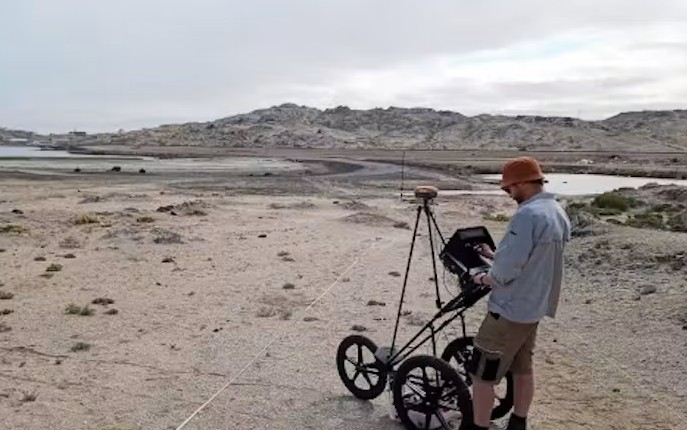
The research teams relied on advanced scientific techniques, including ground-penetrating radar, geographic surveying, and aerial photography with drones, along with archival analysis and fieldwork, with the aim of identifying the locations of mass graves associated with forced labor and detention camps.
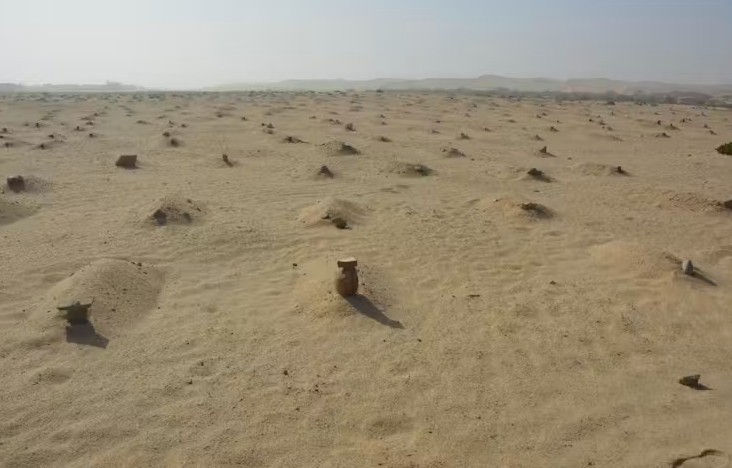
The findings showed subsurface deformations in areas such as Radford Bay and Swakopmund, believed to indicate mass burials of camp victims, while historical sources confirm that thousands of prisoners died in tragic circumstances, and that many bodies were not officially buried.
Studies have also revealed that some burial sites are now threatened by urban expansion, development projects, and changes in the coastal environment, which threatens the loss of crucial physical evidence, prompting researchers to call for urgent intervention to protect them.
The project's organizers emphasize that forensic archaeology is not limited to scientific documentation, but also contributes to supporting commemoration efforts, promoting claims for historical recognition and perhaps compensation, in addition to bridging the gap between oral accounts and official historical records, which were often incomplete or biased.
The researchers stressed the importance of collaborating with the communities of Ovahiro and Nama at all stages of the work, as they are key partners in setting research priorities and protecting sites of human and historical significance.
In the same context, the role of the Swakopmund Genocide Museum stands out as a documentary institution that seeks to keep the memory alive, at a time when attention is turning towards the need to strengthen international recognition of these historical crimes.
The report concludes that mounting archaeological evidence not only rewrites Namibia’s colonial history, but also opens up a wider debate about historical justice and international responsibility for one of the most tragic chapters in the history of the African continent.