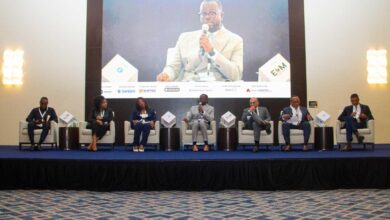
A regulatory battle is shaking up Africa's largest telecommunications market... Why is the continent watching what is happening in Nigeria?
A crisis that goes beyond telecommunications services
Written by Omnia Hassan
In a move that could redraw the boundaries of the relationship between the telecommunications and financial services sectors in AfricaNigerian authorities have approved licenses for nine companies to provide time-of-broadcast and data credit services, despite suspending the enforcement of regulations governing this activity just weeks ago.
The decision, which appears technical on the surface, has opened the door to a wider discussion about the future of the digital economy in Africa’s most populous country and the continent’s largest telecommunications market.
Months of unrest
Nigeria has been in a state of confusion in recent months after the suspension of time-of-broadcast credit services for millions of users, following the Federal Competition and Consumer Protection Commission’s (FCCPC) demand that companies comply with new consumer lending rules.
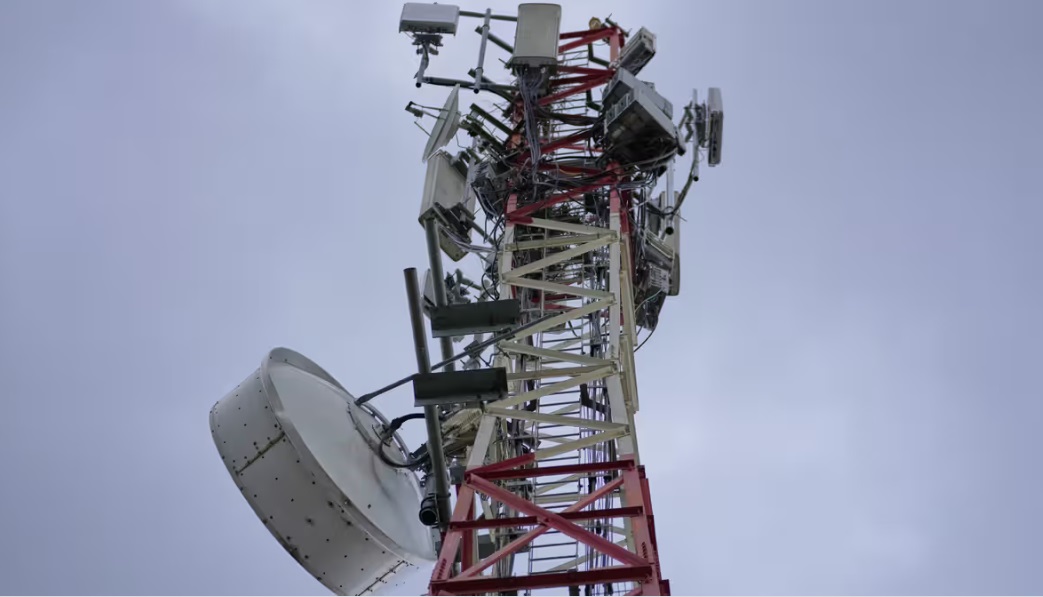
Although some major companies, such as Airtel Nigeria and Globacom, have resumed service, MTN Nigeria, the country’s largest telecom operator with more than 95 million subscribers, has not yet resumed service, reflecting the extent of the ongoing regulatory dispute.
Who has the right to supervise?
The crux of the crisis lies in a seemingly simple question with broad economic implications: Is broadcast time credit a telecommunications service or a financial product?
The Consumer Protection Agency considers these services to fall under the category of consumer lending, since customers receive the service upfront and pay for it later. In contrast, telecommunications companies maintain that the product is an added-value communication service already regulated by the Nigerian Communications Commission.
A multi-billion dollar market
The controversy surrounding the issue is heightened by the sheer size of the market. While some estimates suggest that the value of time-of-broadcast credit transactions could reach trillions of naira annually, independent industry bodies estimate the market size to be between 300 and 400 billion naira per year.
This disparity reflects the size of the economic interests associated with the sector, and increases the sensitivity of the regulatory decisions related to it.
Repercussions extend beyond Nigeria's borders
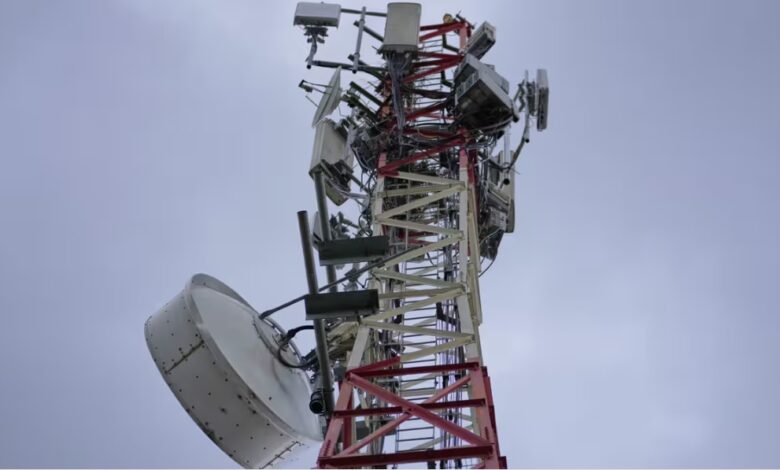
Analysts believe that the consequences of this conflict will not only affect Nigerian telecommunications companies, but may also set a precedent for other African countries seeking to regulate digital financial services.
Investors also warn that continued conflict between regulatory bodies could affect market confidence in the stability of regulatory policies, at a time when African countries are racing to attract investment into the technology and digital economy sectors.
As Nigeria continues to search for a formula that balances consumer protection with the promotion of innovation, the entire continent is watching the outcome of this regulatory battle that could determine the future of digital services in Africa for years to come.