From intimidation to control: How did Al-Qaeda reshape its influence in Mali?
Why have al-Qaeda-linked armed groups reduced their brutality in Mali?
Written by: Badr Ahmed
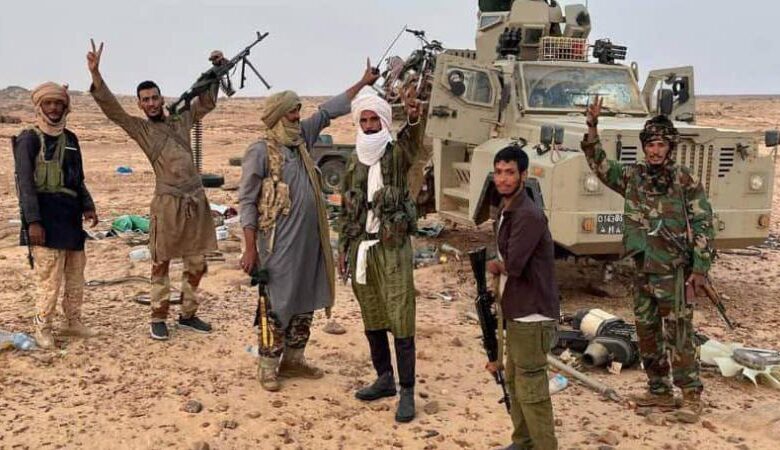
The areas controlled by the al-Qaeda-linked Jama'at Nusrat al-Islam wal-Muslimin in Mali are witnessing a remarkable shift in the way local residents are governed, with locals reporting a decline in violence and hardline rhetoric in favor of a more focused approach to local administration and service provision, in an attempt to consolidate the group's influence and strengthen its political presence.
Al-Qaeda-linked armed groups have reduced their brutality in Mali
According to testimonies from residents in central Mali, the periodic meetings held by members of the group with the locals have become focused on collecting taxes on crops and livestock.
In addition to distributing food aid, medicine, and support to the poor, instead of relying on the threats and harsh punishments that jihadist groups were known for in past years.
Amadou, a herder living in a village on the banks of the Niger River, said that the militants, who years ago threatened to kill anyone who opposed their interpretation of Islam, are now more focused on spreading their religious message without resorting to frequent intimidation. He added, "The dynamic has indeed changed." .
The Group for the Support of Islam and Muslims was founded in 2017 from the merger of several militant groups that pledged allegiance to al-Qaeda. In recent years, it has been able to expand its influence, taking advantage of the security instability in Mali, especially after the withdrawal of French and UN forces following the military coup in the country in 2020.
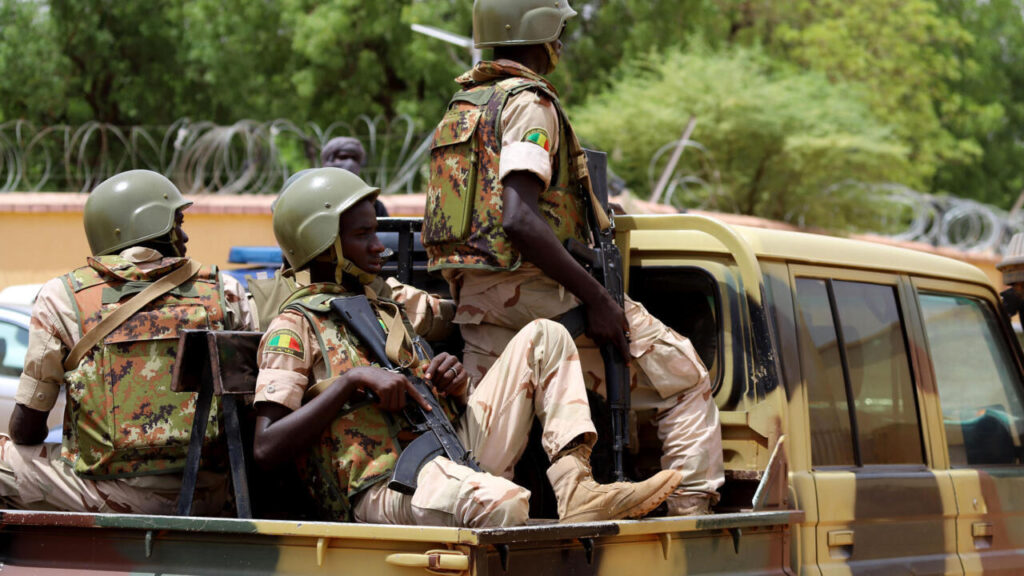
Despite the group continuing to carry out qualitative military attacks against government forces, including targeting military installations and bases during the past months, local residents and experts on the affairs of the African Sahel confirm that the group is seeking to build a more stable model of governance in the areas it controls.
Residents indicate that members of the group have begun intervening in resolving disputes between farmers and herders, and are allowing humanitarian organizations to operate within some areas. They have also eased restrictions on the movement of civilians compared to previous years.
Observers believe this shift reflects a new strategy aimed at gaining local acceptance and legitimizing the group's presence, at a time when the Malian government continues to describe it as a terrorist organization responsible for destabilizing and threatening the security of the country and the entire region.