Zambia is preparing to launch a refinery that will produce 60 million liters of bioethanol annually.
Muchinga County Refinery, Zambia
Written by: Nakwe Simbongwe – Zambia
Preparing Zambia To implement an integrated agricultural and industrial project, which is the establishment of a modern bio-refinery with an investment of US$70 million in Muchinga County, in a move that is considered one of the most prominent renewable energy projects in the country in recent years.
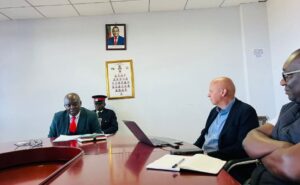
During his meeting with the Permanent Secretary of Muchinga County, Tosipik Bwalya, Sunbird Group CEO Richard Bennett affirmed that the project aligns with the government's plans to promote fuel blending and reduce reliance on imports, while also supporting the transition to clean energy within the framework of the sustainable development strategy.
Zambia is preparing to implement an integrated agricultural and industrial project.
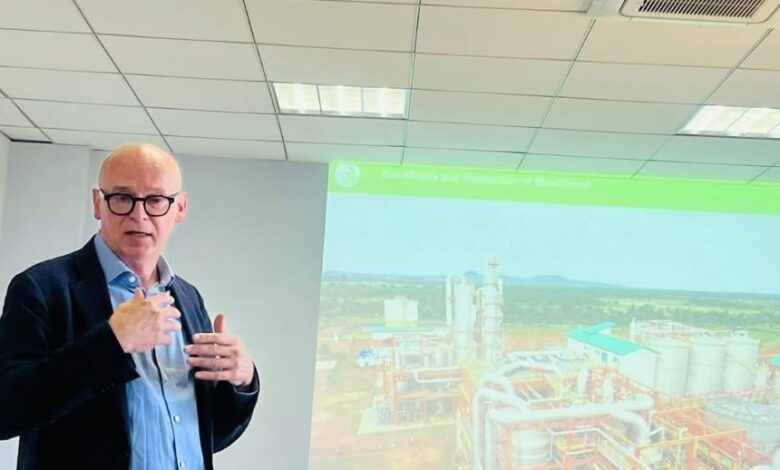
The project is a qualitative leap in the renewable energy and livestock sectors, as it combines a huge agricultural farm spanning 10,000 hectares with an advanced bio-refinery to produce 60 million liters annually of bioethanol, using cassava crops and high-yield energy grasses.
The project is expected to contribute to supporting E20 fuel blending policies, in addition to providing new job opportunities and boosting the income of small farmers through the Outgrower Model, in line with the vision of Zambian President Hakainde Hichilema to create local wealth and enhance added value.
The bioethanol will be supplied to oil marketing companies via the Tazama pipeline, while part of the production will be allocated to support the clean cooking sector through ethanol and alternative fuel pellets.
The project also includes a renewable energy component, with 12 megawatts of electricity expected to be produced via biogas technology, with the surplus directed to support neighboring farms and contribute to rural electrification programs.
In a related context, the investment includes the establishment of a feed mill to support Zambia’s plans to increase livestock, thus promoting the integration of agriculture, energy and industry into one project.
The project also has important environmental dimensions, as it contributes to reducing transport emissions and capturing methane gas, which supports Zambia’s commitment to reducing greenhouse gas emissions by 471 TP3T, a pledge that President Hichilema has reaffirmed in various international forums.
This project is seen as a strategic step towards enhancing energy security, driving the green economy, and opening new horizons for development in the rural areas of Muchinga County.