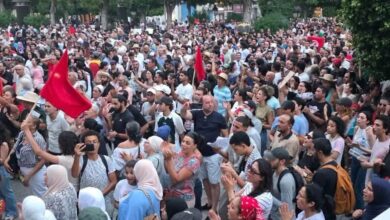
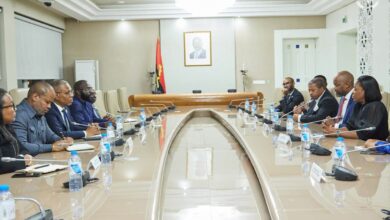
Libya's High Council of State warns of escalating division and calls for expediting elections.
Warnings of the repercussions of polarization in Libya
Written by: Mohamed Ragab
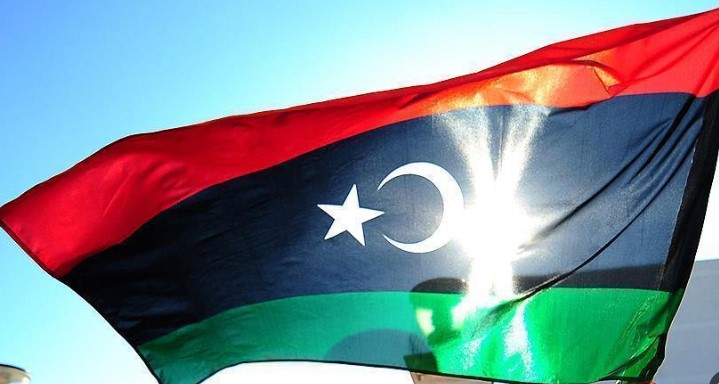
Express Council The High Council of State in Libya expressed its deep concern about the state of polarization and political division in the country, warning of its negative repercussions on the path to stability and the building of state institutions.
The council stressed that the continuation of this situation hinders the aspirations of Libyans towards establishing a civil state based on Constitution And the rule of law.
In a statement, the council stressed its rejection of any attempts to circumvent legal frameworks by supporting parallel entities or initiatives outside the law, considering that such moves would deepen the political crisis and increase the state of chaos, as well as waste state resources.
Criticism of the UN mission
The council criticized the United Nations Support Mission in Libya, accusing it of selecting personnel and working mechanisms without coordinating with legislative and executive institutions, which, according to the statement, raised doubts about its impartiality.
He also argued that some international parties are seeking to impose political figures and formulas with the aim of controlling power and resources, instead of enabling the Libyan people to exercise their democratic right.
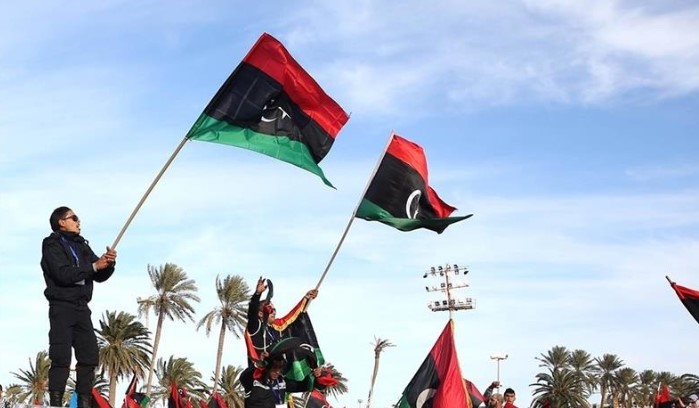
The council called on the international community to reassess its positions and focus on supporting constitutional entitlement as a priority, instead of supporting figures suspected of corruption.
He affirmed his support for economic reforms aimed at unifying spending and improving resource management, thereby contributing to protecting the living conditions of citizens.
An appeal for national unity
In closing, the Council appealed to national forces and political and social movements to unite behind a comprehensive national project that would end the state of division and pave the way for parliamentary and presidential elections as soon as possible, stressing that Libya’s sovereignty and stability are a “red line”.