May 24th marks Eritrea's Independence Day... a 30-year struggle
30 years of war end with independence in 1991
Written by: Badr Ahmed
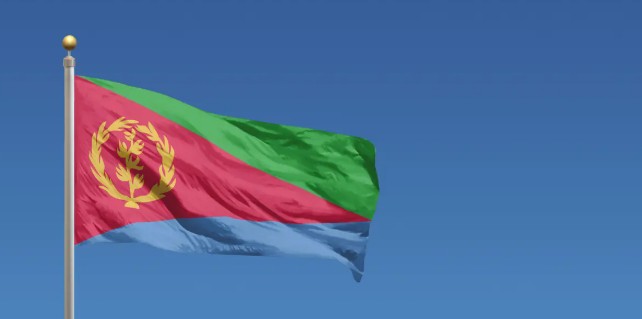
Eritrea celebrates its Independence Day on May 24th every year, but the celebrations usually extend for a whole week and include popular carnivals, street art performances, concerts, official parades, tent celebrations, and the raising of flags throughout the country.
This day is a major national occasion that reflects pride in Eritrean identity, as Eritreans inside and outside the country are known for organizing social gatherings that include picnics and barbecues.
30 years of war end with independence in 1991
Official channels, especially the state-run Eritrean TV, are keen to broadcast documentaries and special programs during this period, highlighting the sacrifices of the Eritrean people during the years of struggle for independence, with the aim of consolidating national memory among new generations.
Independence Day dates back to May 24, 1991, when the forces of the Eritrean People's Liberation Front entered the capital, Asmara, declaring the restoration of independence after a long war against the Ethiopian military regime that lasted for about 30 years.
This day is one of the most important national holidays in Eritrea, along with Martyrs' Day and Revolution Day.
The roots of the Eritrean national movement go back to long and complex colonial periods.
In the late nineteenth century, the Italian General Oreste Baratieri took control of the highlands overlooking the Red Sea coast and declared them an Italian colony under the name of Italian Eritrea.
The Italian colonial administration invested heavily in infrastructure and agriculture, establishing factories for pasta, vegetable oils, meat packaging, tobacco, and other products. The effects of the Italian presence are still evident in the capital, Asmara, today through its architectural style and urban structure.
In 1941, British forces defeated Italian forces at the Battle of Keren, beginning a period of British administration of the country that lasted until 1950. During that period, proposals were put forward to divide the region, before Eritrea was eventually annexed to Ethiopia in a federal framework in 1950, with the support of the United States, which Eritreans considered a disregard for their demands for independence.
After years of armed struggle and political negotiations, the Eritrean People's Liberation Front (EPLF) achieved military victory in 1991 and declared independence. Subsequently, a border war broke out between Eritrea and Ethiopia between 1998 and 2000 over areas such as Badme and Zalambessa, before a final political settlement was reached in 2018, ending the long-standing hostility between the two countries.