Foundation stone laid: Kenyan President allocates 800 million shillings for the construction of Nyamira University
Implementation of dozens of national projects in Kenya
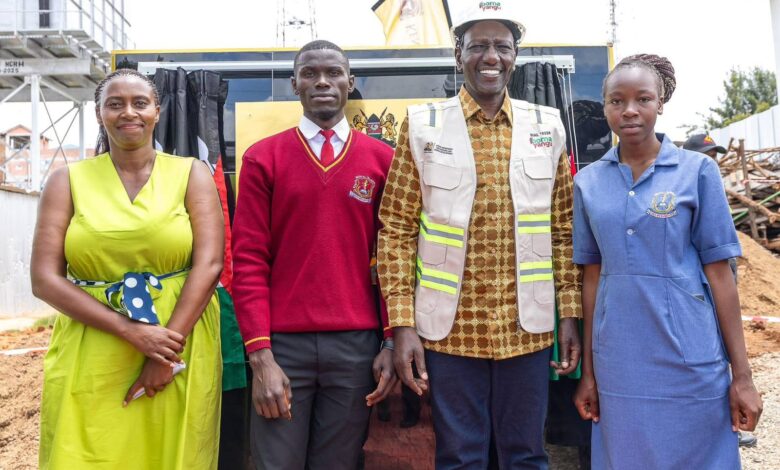
William Samui Ruto, President of the Republic of Kenya, announced the allocation of hundreds of millions of Kenyan shillings for the construction of Nyamira University and student housing, in order to enhance the quality of education in the country.
Ruto said in a tweet on the X platform: “The establishment of Nyamira University College will contribute to expanding higher education opportunities in the province and the surrounding region.”.
He continued: ”To achieve this vision, we have allocated 500 million Kenyan shillings for the construction of the university and 300 million Kenyan shillings for student housing.”.
Ensuring the presence of a pool of qualified professionals
The Kenyan president affirmed: “We are working to strengthen our medical training institutions to ensure that there is a sufficient pool of qualified professionals to support the delivery of our comprehensive health program.”.
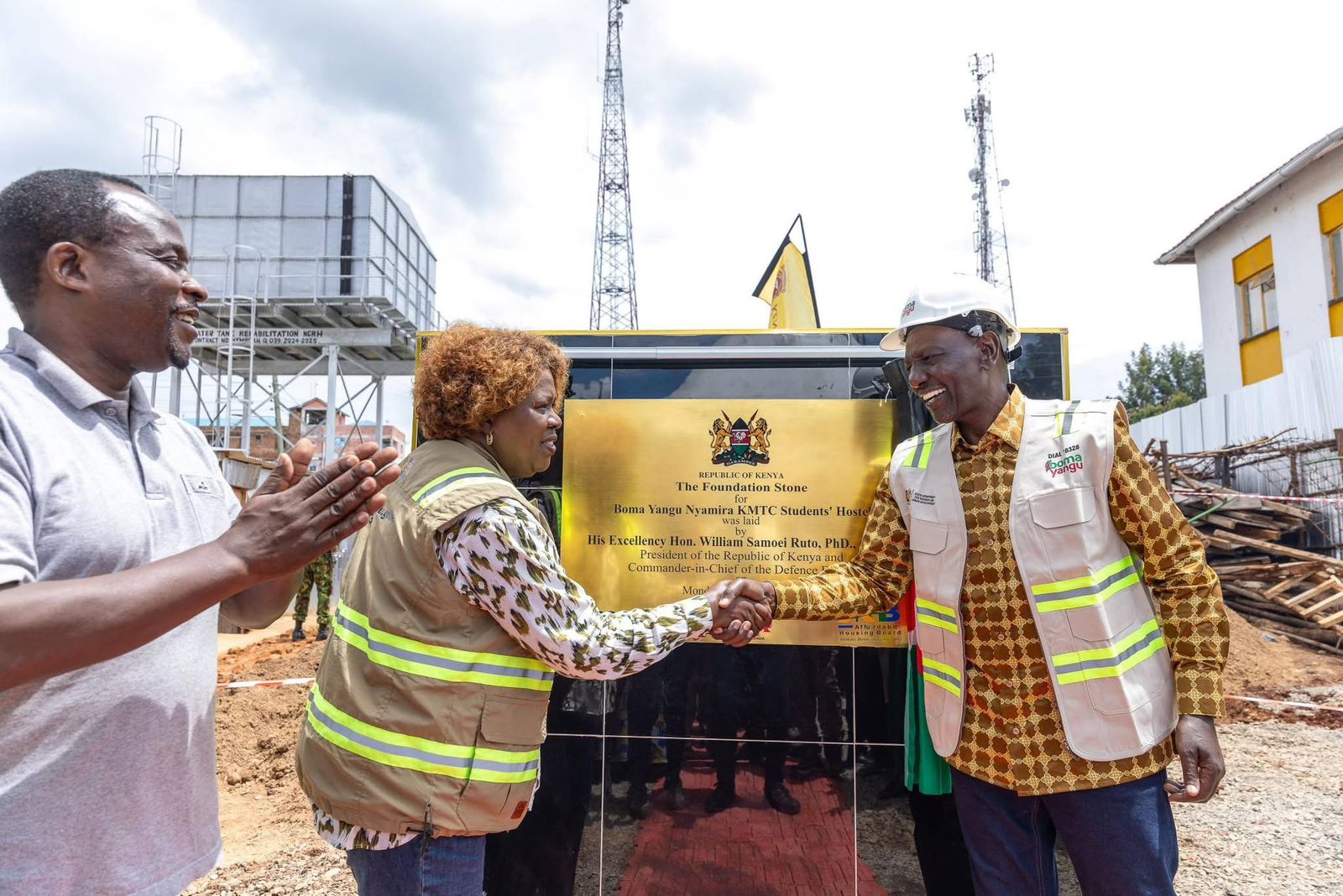
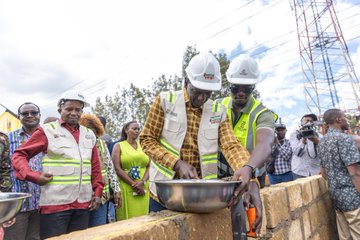
Ruto continued: “We have laid the foundation stone for student accommodation for 580 students at the Kenya Medical Training College in Nyamira. We will also be building 20 classrooms and five laboratories for the institution.”.
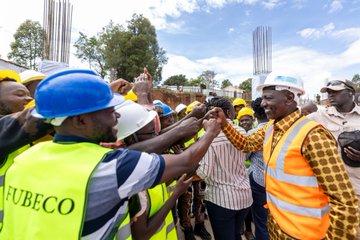
He added: “In Nyamira County, we are building dormitories to accommodate 3,000 students at a cost of 1.3 billion Kenyan shillings as part of the affordable housing program… The foundation stone was laid for the university teaching building, North Mugirango, Nyamira County.”.
Kenyan President William Ruto’s remarks came on the sidelines of his inspection of a number of national projects in the country, and the laying of the foundation stone for several new projects that contribute to the development of the country and support the quality of education and professionals, especially in the field of medicine and health care, which supports the strength of the state.
Massive road projects in Kenya
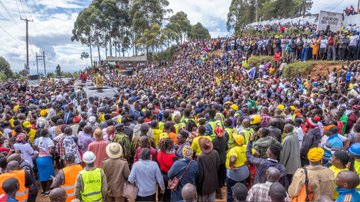
During his tour, the Kenyan president said earlier today: “On the roads, we are implementing several major projects… The 61-kilometer Irung-Kibusi-Omoninya road is 58 percent complete, while the Manga-Motimomwamo road is 38 percent complete.”.
He continued: “At the same time, the Kimbo-Kendek road will be launched tomorrow, while the Chapira-Nyamuse-Nyamaya and Tombe-Esenta-Gitaro roads have been announced and will start as soon as operations are completed.”.
Ruto concluded: The extension of the standard railway line from Narok to Kisumu will include a station in Ekong at a cost of 300 million Kenyan shillings.