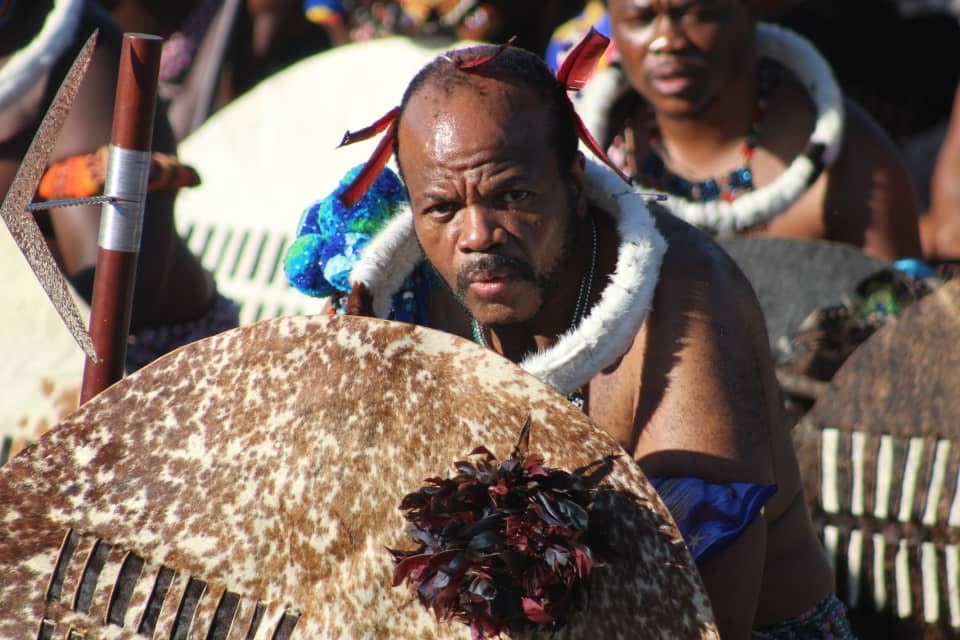
With red feathers and traditional dancing, the King of Eswatini celebrates his country's heritage.
The King of Eswatini leads a celebratory dance after the harvest of the royal fields is complete.
Written by: Badr Ahmed
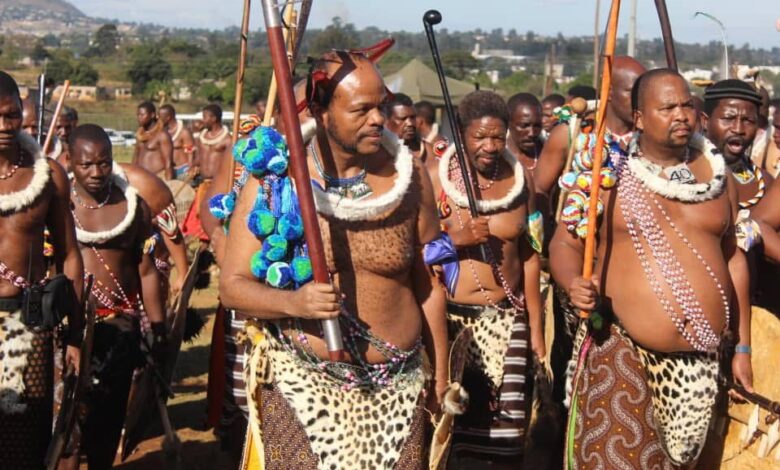
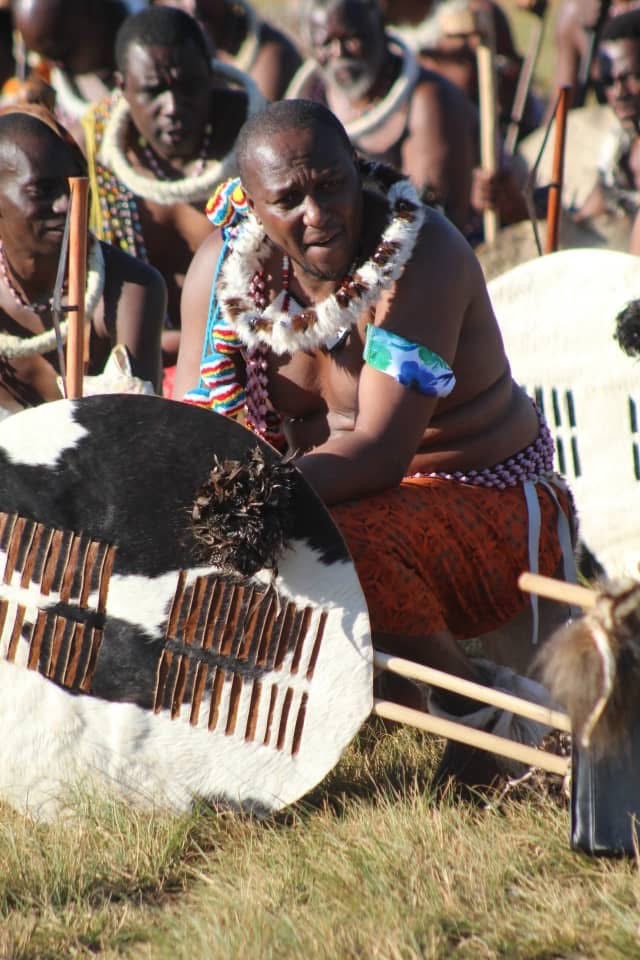
King Mswati III of Eswatini led the Liputfu in a traditional celebratory dance inside the royal residence in Ngabezweni, on the occasion of the completion of the harvest of the royal fields, before officially announcing the end of the duties of the participants in this annual occasion, which is one of the most prominent traditional events in the kingdom located in the south of the African continent.
The King of Eswatini leads a celebratory dance after the harvest of the royal fields is complete.
During his address to the participants, the King called for adherence to the cultural values and customs that characterize Eswatini society, stressing the importance of preserving national traditions and passing them on from one generation to the next, as they are an essential part of the country’s national identity.
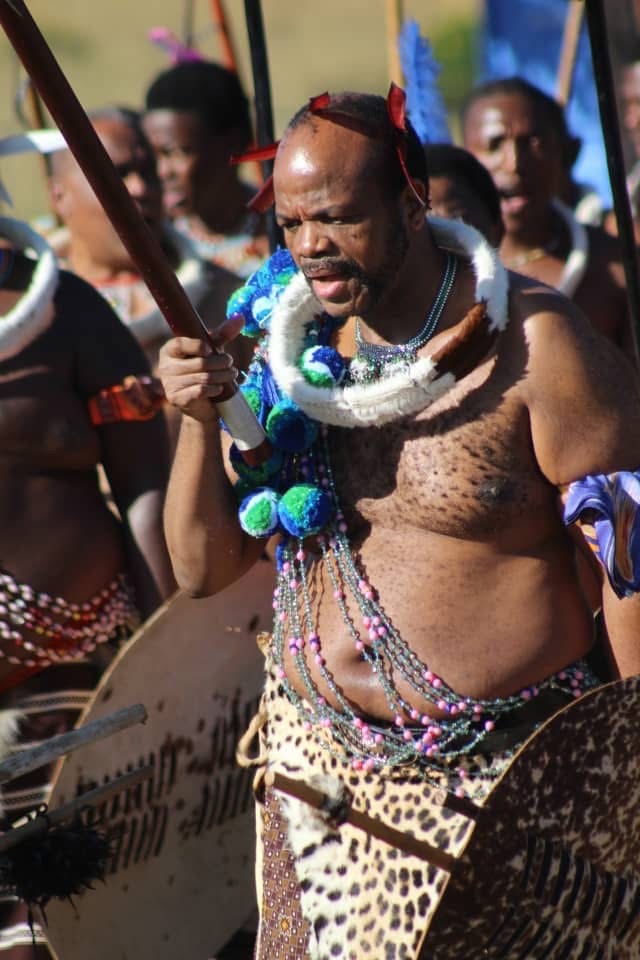
The King pointed out that the responsibility of the current generation is not limited to preserving the cultural heritage, but also extends to ensuring that future generations inherit a country that still celebrates its historical customs and traditions, and continues to practice its heritage rituals and events that constitute one of the most important features of Eswatini’s national character.
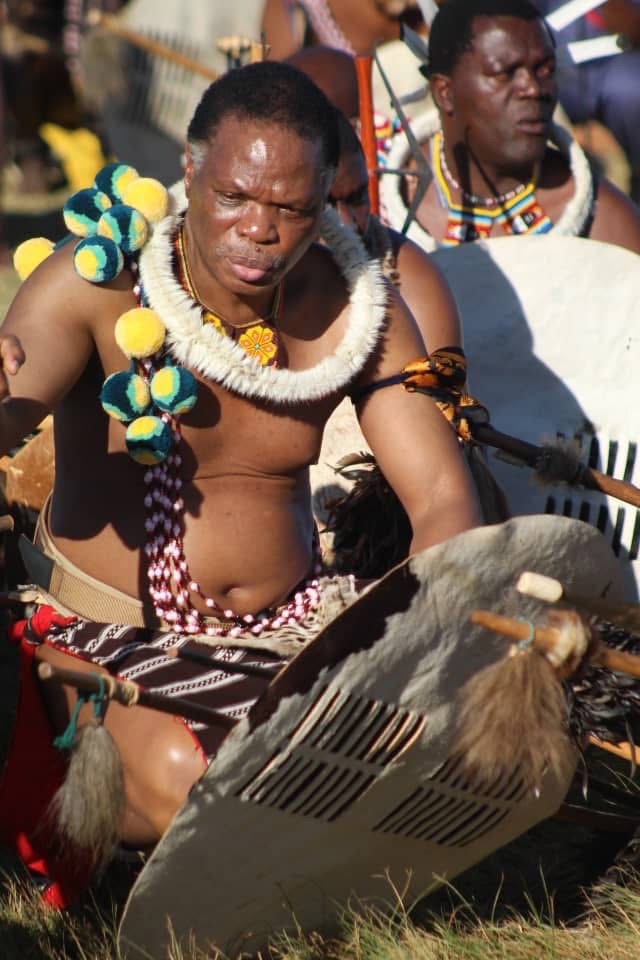
Harvest celebrations and group dances are prominent cultural features in Eswatini, in which the king is keen to participate directly, confirming the royal institution’s connection to customs and traditions inherited for centuries.
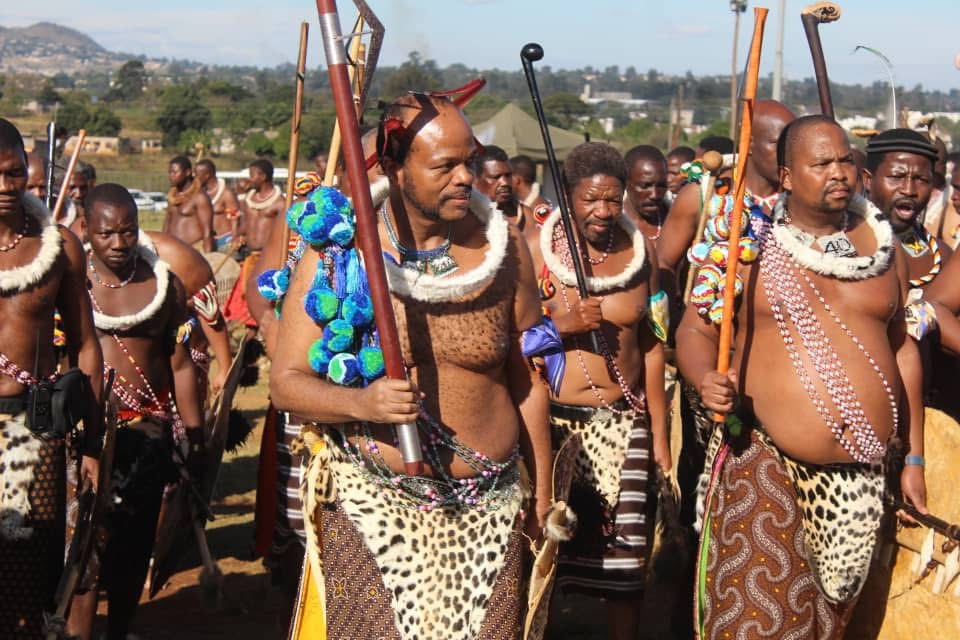
The king's appearance during the celebrations drew attention because of the red feathers adorning his traditional headdress. These feathers are part of the royal and ceremonial attire worn by Eswatini kings on major national and cultural occasions, symbolizing royal status, leadership, and a connection to the historical traditions of the Eswatini people.
Feather decorations are also used in many royal ceremonies as symbols of power and cultural identity in the kingdom. Eswatini is known for preserving traditional costumes and heritage symbols in official ceremonies, as these elements represent a part of the cultural legacy the country seeks to pass on to future generations.
King Mswati III has ruled Eswatini since 1986 and is seen as a guardian of national traditions and customs that form a cornerstone of social and cultural life within the kingdom.