Senegal: A story of independence after a century of colonialism
A long history of struggle and transformation
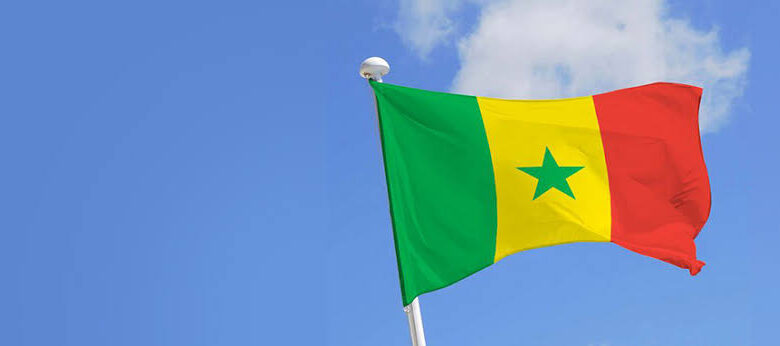
In the heart of West Africa and along the Atlantic coast lies the Republic of Senegal, one of the countries that has reflected a long history of struggle and transformation, from traditional tribes and empires to national sovereignty and independence after more than a century of French colonial domination.
The story of Senegal is not just about political history, but about culture, identity, and a long yearning for freedom and national sovereignty.
The beginning of French colonialism and the origin of hegemony
European contact with Senegal began in the fifteenth century with the arrival of Portuguese explorers, but the colonial power that imposed its complete control was France, which had controlled vital locations such as Gorée Island and the city of Saint-Louis since the seventeenth century, setting out for the rest of the interior.
Over time, Senegal became an integral part of French West Africa (Afrique Occidentale Française), a colonial project aimed at expanding influence and control over the region's resources and people.
France’s mission was not limited to trade but expanded to include direct administration and control, placing Senegal under formal colonial administration by the late nineteenth century.
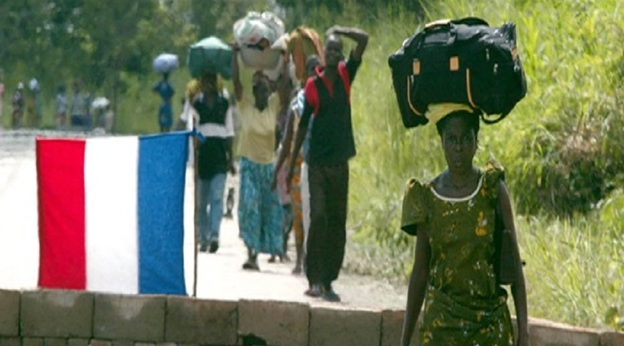
Life under colonialism and political struggle
Throughout the nineteenth and twentieth centuries, Senegalese society faced profound changes, from the abolition of slavery on French soil in the mid-nineteenth century to the participation of some Senegalese in the French parliament, such as Blaise Diagne, who in 1914 was able to obtain citizenship and representation rights in the French National Assembly. The first signs of political activity in Senegal began to appear.
The nationalist movement developed rapidly after World War II, when demands for independence were rising again in the rest of Africa and Asia, directly affecting the Senegalese political elite. Among these was Léopold Sédar Senghor, a poet and philosopher who led a movement demanding independence as part of Senegal’s national and cultural identity.
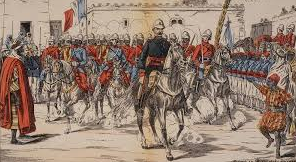
From fiscal union to independence
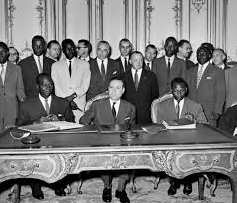
In 1958, Senegal participated in a referendum with the French Union, which decided to maintain close ties with France. Senegal accepted this, but the Senegalese people's desire to control their political destiny led to the formation of the Malian Union with French Sudan (today Mali). The Union declared its independence on June 20, 1960, after signing a power transfer agreement with France on April 4 of the same year.
However, the union did not last long, as Senegal and Sudan declared their separation from each other on August 20, 1960, officially declaring the independent Republic of Senegal under the leadership of Léopold Sédar Senghor as the country’s first president, a situation that is immortalized in the documents of national history.
Senegal after independence: democracy and relative stability
Since independence, Senegal has been a unique model in West Africa. It is one of the few countries that has not experienced military coups since independence, maintaining a democratic system and a multi-party system with peaceful political transitions through elections, despite economic and social challenges. In 1976, multi-party politics became legal for the first time in the country's history under Senghor's leadership, and Abdou Diouf assumed the presidency in 1981.
The history of independence and its symbolism in the national memory
April 4, 1960, marks the anniversary of the signing of the independence agreement, and June 20 is a pivotal date in Senegal's journey towards sovereignty, while Senghor is seen as a symbol of national and cultural unity.
Much of the nationalist thought derives from the vision of “African socialism,” a formulation that combines African traditions with modern standards of state-building. Subsequent years have reshaped Senegal’s regional role not only as a formerly colonized state, but also as a political and cultural actor in Africa and the world.