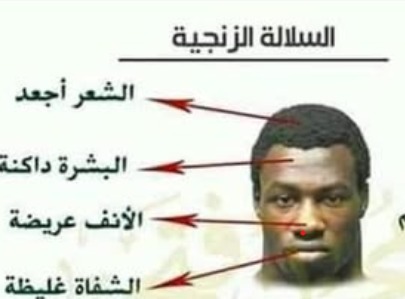
The Plain Negro: Geographical Roots and Anthropological Features
Narratives of African peoples
Prepared by: Dr. Alia Amer
A demographer specializing in gender studies, representing North African countries in the African Union for Population Studies.
The African continent has never been merely a geographical area separated by terrain, but rather a living stage for the greatest and most complex human migrations in human history. In the heart of this dark continent, distinct human lineages arose that preserved the purity of their identity and roots in the face of the storms of time and external influences.
The Plain Negro: Geographical Roots and Anthropological Features
Understanding the human map of Africa is not merely a study of facial features or anthropological classifications, but rather a journey into the story of the origin of great kingdoms, and a deciphering of the identity and language codes that have endured for thousands of years to tell the story of the first human being on Earth. Among the most prominent of these groups is what is known in human geography as the “pure Negro” (or true Negroes).
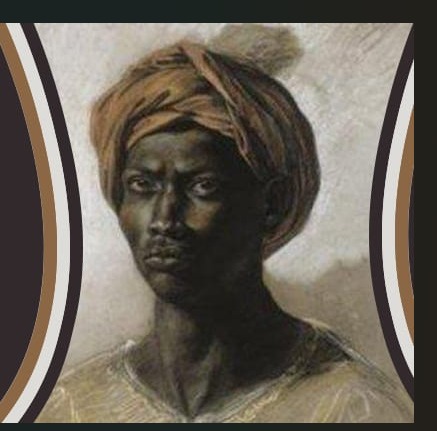
A pure-blooded Negro is one who carries pure Negro blood that has not been mixed with Caucasian, Bushman, or pygmy blood. Many anthropologists believe that finding pure Negro lineages is almost an extremely difficult task.
The Negro groups spread across the continent, preceded by other groups, and they mixed and lived with them. Then came the era in which the Caucasians, who are called the Hamites, appeared, and they began to rush to the continent in successive waves, and their mixing with the Negro races intensified greatly, the effects of which appeared in many Negro units, whether in images and forms or in some cultural aspects.
The pure Negro lineage was concentrated in a distinct geographical area that extended mainly across West Africa, specifically in the region south of the Sahara Desert, historically known on old maps as “Bilad al-Sudan” or (Negroland). Their homeland extended from the Senegal River basin in the west, through the coasts of Guinea, to the Niger River basin and the highlands of Cameroon, where this lineage lived in areas of savannah grasslands and tropical rainforests, environments whose relative natural isolation contributed to preserving the lineage characteristics of population groups for long periods of time.
Although not all the Black people who inhabit these lands can be called “pure” people, we must proceed to study the entire western region, which extends from the Senegal River to Lake Chad, and ends in the south at the shores of the Atlantic Ocean.