Africa owes the IMF $38.6 billion, with Egypt leading the way.
With debts exceeding $6.8 billion, Egypt is among the top borrowers from the IMF in Africa.
Written by: Badr Ahmed
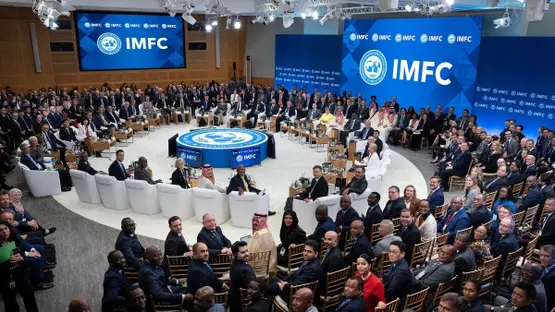
The International Monetary Fund revealed that the total debt owed by African countries amounts to about $38.6 billion, representing 31.51 TP3T of the total global debt owed to the Fund, at a time when it called on African governments to reduce their reliance on external borrowing, promote economic reforms and attract investments to support sustainable growth.
The Managing Director of the International Monetary Fund, Kristalina Georgieva, said that the African continent represents the future and the next source of global growth, stressing that achieving this goal requires strengthening economic integration between the countries of the continent, taking advantage of the opportunities of the African Continental Free Trade Area, along with expanding capital flows and private investments instead of increasing reliance on debt.
Africa owes the International Monetary Fund $38.6 billion
The IMF explained that Egypt tops the list of African countries indebted to it, with total outstanding debts of $6.86 billion, under the IMF's Extended Fund Facility program, while Kenya came in third with debts of $2.85 billion, after its multi-year program with the IMF faltered at the beginning of 2025.
Georgieva confirmed that a growing number of African countries have recently been able to fully repay their obligations to the International Monetary Fund, considering that this reflects an improvement in public finances and the ability of those countries to manage their resources more efficiently.
She stressed the importance of following disciplined fiscal policies, working on restructuring and managing debts in a sustainable manner, while reducing reliance on external financing, in order to enhance economic stability and increase the ability of African economies to cope with global shocks.
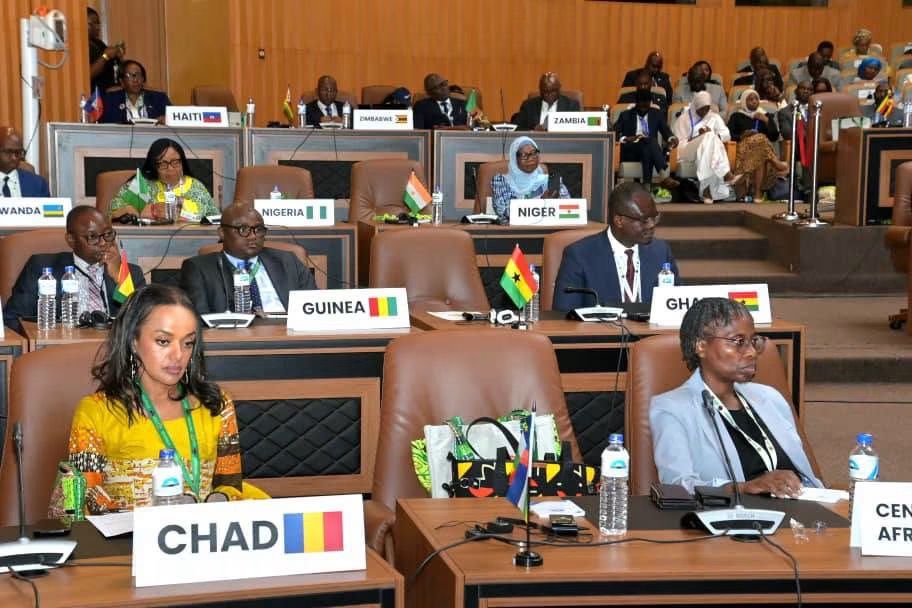
The Managing Director of the Fund noted that a number of African countries have no outstanding debts to the International Monetary Fund, including Nigeria, Libya, Algeria, South Africa, Botswana, Mauritius, Eritrea, Mozambique, Zimbabwe and Eswatini.
She explained that the situations of these countries differ from one case to another, but there are common factors that helped them avoid borrowing from the Fund, including adopting more stable financial policies, the availability of alternative sources of income, as well as benefiting from the revenues of natural resources that provided important revenues for public budgets.
Georgieva concluded by emphasizing that Africa’s future depends on its ability to mobilize its domestic resources, attract investment, and boost intra-African trade, thereby reducing dependence on external financing and supporting more sustainable and inclusive economic growth in the coming years.