The United Nations warns the world of El Niño: heat waves, heavy rains, and drought.
Pacific Ocean water temperature rise
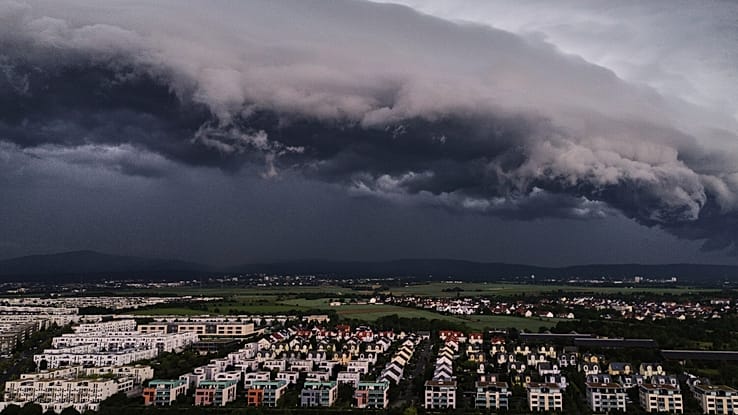
The United Nations has warned of the need to prepare for a new wave of El Niño, which is expected to intensify extreme weather events around the world in the coming months, amid fears of rising global temperatures and worsening droughts, floods and storms in many regions.
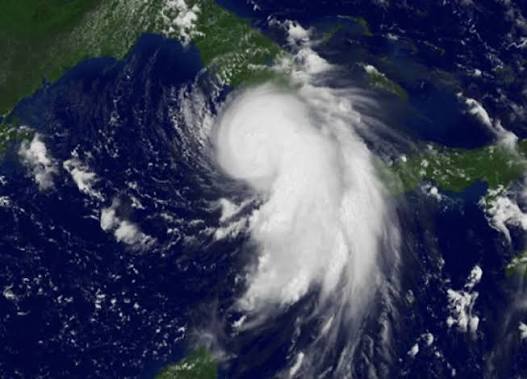
The World Meteorological Organization announced that there is a probability of up to 80% for the development of the El Niño phenomenon during the period between June and August 2026, while the probability of its continuation rises to more than 90% by next November.
The organization explained that the rising temperature of the tropical Pacific Ocean is a clear indicator of the return of the climate phenomenon that directly affects rainfall patterns and temperatures around the world.
The most prominent medical climatic phenomena
El Niño is one of the most significant natural climate phenomena, causing a rise in sea surface temperatures in the central and eastern Pacific Ocean, leading to widespread disruptions in global weather patterns. It typically recurs every two to seven years and lasts between nine and twelve months.
The Secretary-General of the World Meteorological Organization, Celeste Soolo, said that the world needs to prepare for the possibility of a strong El Niño event that could exacerbate droughts and heavy rainfall and increase the risk of heat waves on land and in the oceans.
She added that the phenomenon could cause cascading effects affecting the agriculture, water, energy and public health sectors.
For his part, UN Secretary-General Antonio Guterres described the phenomenon as an “urgent climate warning,” stressing that El Niño will add further pressure to a world already suffering from the effects of climate change and rising global temperatures.
He called for accelerating the transition to renewable energy sources and reducing reliance on fossil fuels, and strengthening early warning systems to protect the most vulnerable groups.
Temperatures higher than normal
The World Meteorological Organization expects most regions of the world to experience temperatures higher than normal during the coming months, with the possibility of increased drought in some areas and decreased rainfall, compared to heavy rainfall and floods in other areas.
The phenomenon could also affect agricultural activity, water supplies, and global food security.
Climate experts point out that the effects of El Niño could become more severe under current climate change, as increased atmospheric and ocean temperatures enhance the intensity of extreme weather events.
The previous El Niño phenomenon during 2023 and 2024 contributed to record-breaking global temperatures, making current concerns even greater as it approaches its return.
In light of these projections, the United Nations and national governments have called for proactive measures and enhanced climate emergency preparedness plans, particularly in sectors most affected by weather fluctuations, in order to reduce potential human and economic losses in the coming period.