Afrophobia: The other face of discrimination against Africans within and outside the continent
Discrimination in employment, education, and housing
Written by: Mohammed Omran
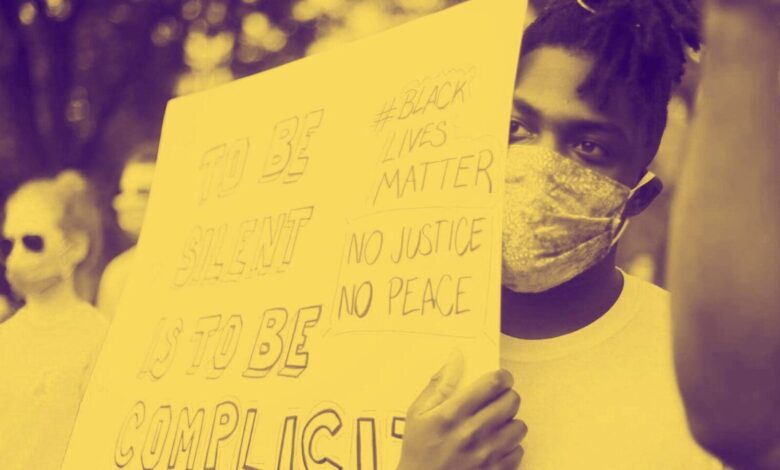
It is Afrophobia Afrophobia is a social and political phenomenon that has received increasing attention in recent years, with the rise in incidents of violence and discrimination against migrants, refugees and people of African descent in a number of countries around the world. The term is used to describe feelings of hostility, hatred or discrimination directed against people of African descent, whether within the continent or outside of it.
Despite the concept being historically linked to the racial discrimination it faces Africans In Europe and the Americas, its use has expanded to include forms of hostility within the African continent itself, where African migrants in some countries are subjected to discriminatory practices or acts of violence because of their nationalities or their cultural and economic backgrounds.
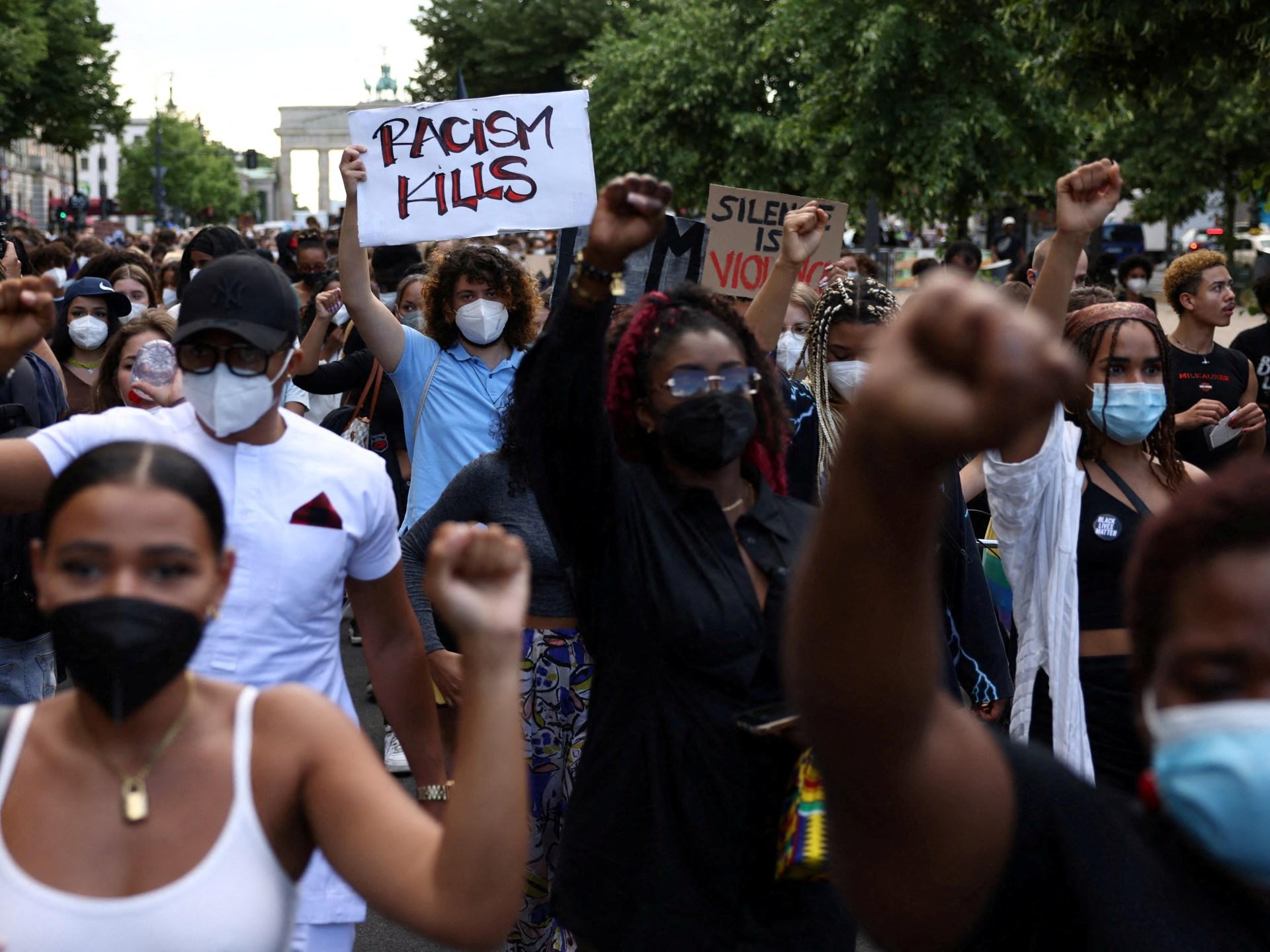
Africans in Europe and confronting racism
Researchers believe that Afrophobia differs from traditional xenophobia, as it specifically targets Africans, even when the perpetrator and the victim are from the same continent. This phenomenon is linked to multiple factors, including competition for jobs and public services, economic disparities, and the spread of negative stereotypes towards some African nationalities.
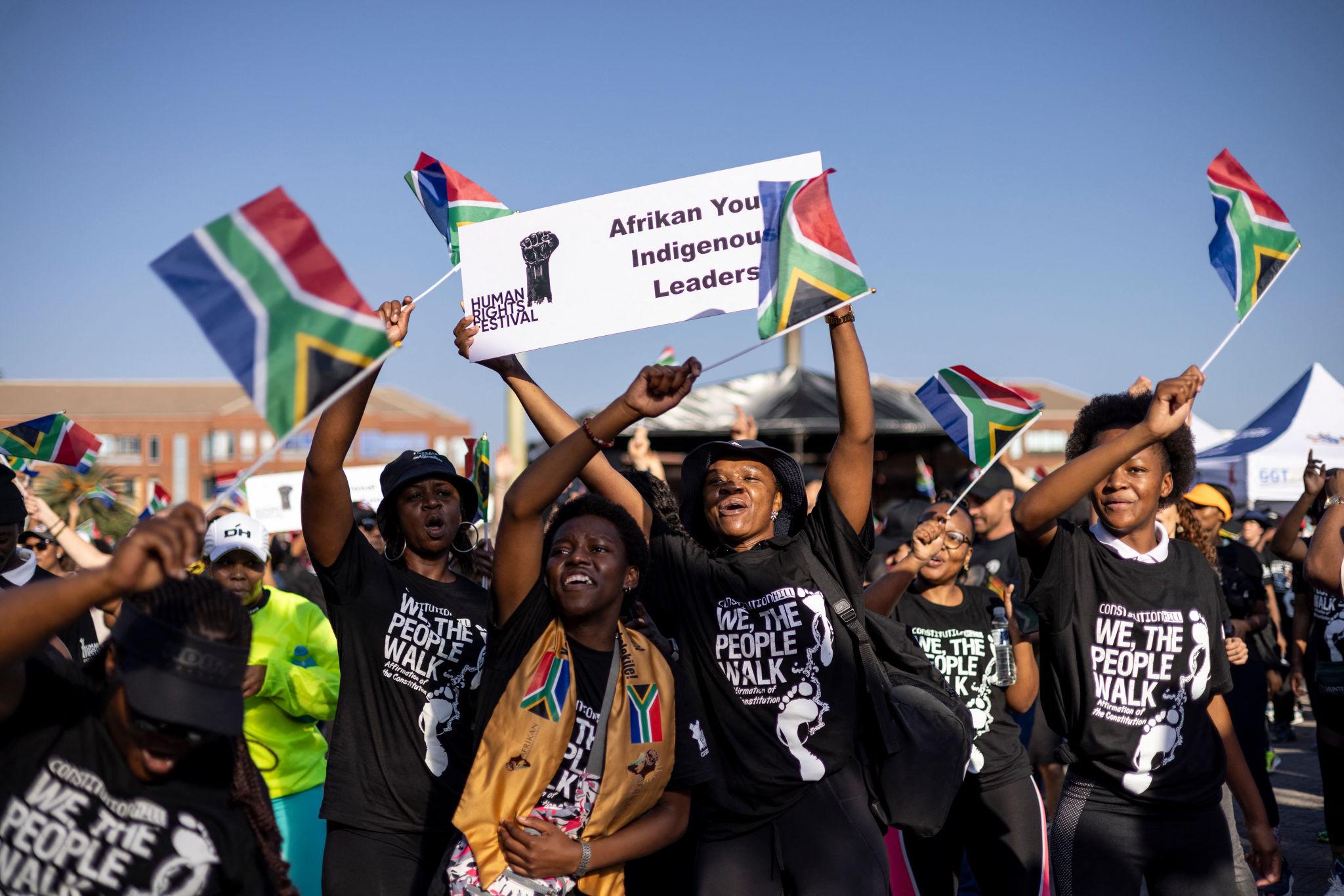
South Africa is one of the most prominent examples that has sparked widespread debate on the issue, after witnessing repeated waves of violence against African migrants from Zimbabwe, Nigeria, Mozambique, Somalia and Ethiopia in recent years. These events have drawn condemnation from African governments and human rights organizations, which consider them a threat to the values of solidarity and African unity.
Afrophobia: The other face of discrimination against Africans within and outside the continent
In Europe and North America, however, the concept of Afrophobia takes on a different dimension, linked to systemic racism against people of African descent, whether in the job market, education, housing, or daily interactions. Human rights reports indicate that millions of people of African descent continue to face challenges related to equality, integration, and equitable access to opportunities.
The number of people of African descent and Black Europeans in Europe is estimated at around 15 million, making them one of the largest groups facing marginalization and discrimination on the continent. Many of them suffer from difficulties in employment, as unspoken barriers prevent them from obtaining jobs that match their qualifications and experience. Black students also face various forms of racism within educational institutions, including bullying, discrimination, and negative stereotypes.
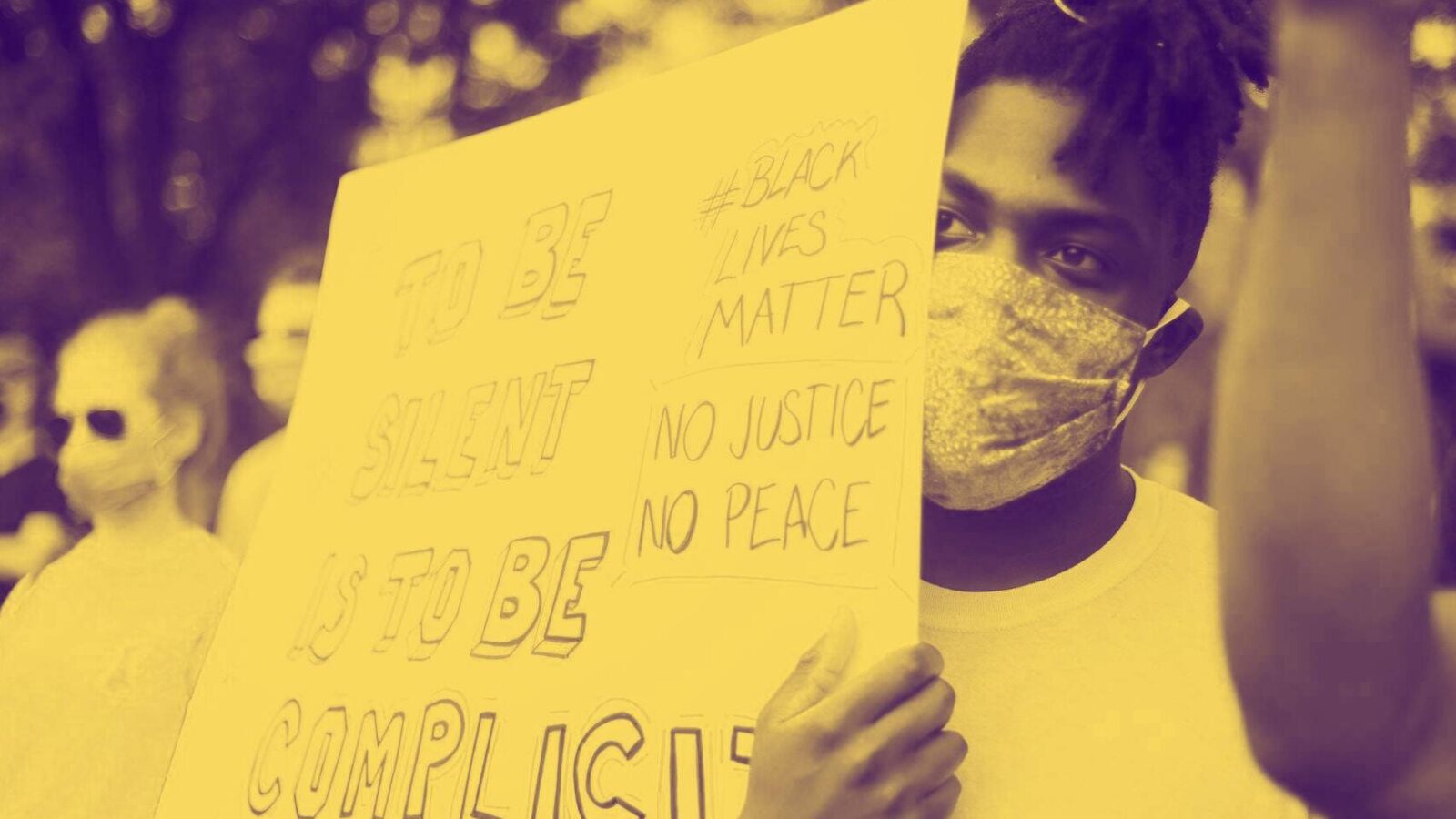
Afrophobia is defined as a specific form of racism that includes acts of violence, discrimination, and hate speech directed against people of African descent. It is based on historical accumulations and stereotypes that lead to their marginalization and dehumanization. This phenomenon manifests itself in multiple forms, such as prejudice, hatred, institutional discrimination, and structural racism.
International and human rights organizations warn that the continuation of Afrophobia may deepen social divisions and weaken integration and development efforts, stressing that confronting it is not limited to legal measures only, but requires an active role for educational, media and cultural institutions in spreading the values of tolerance, coexistence and acceptance of others.
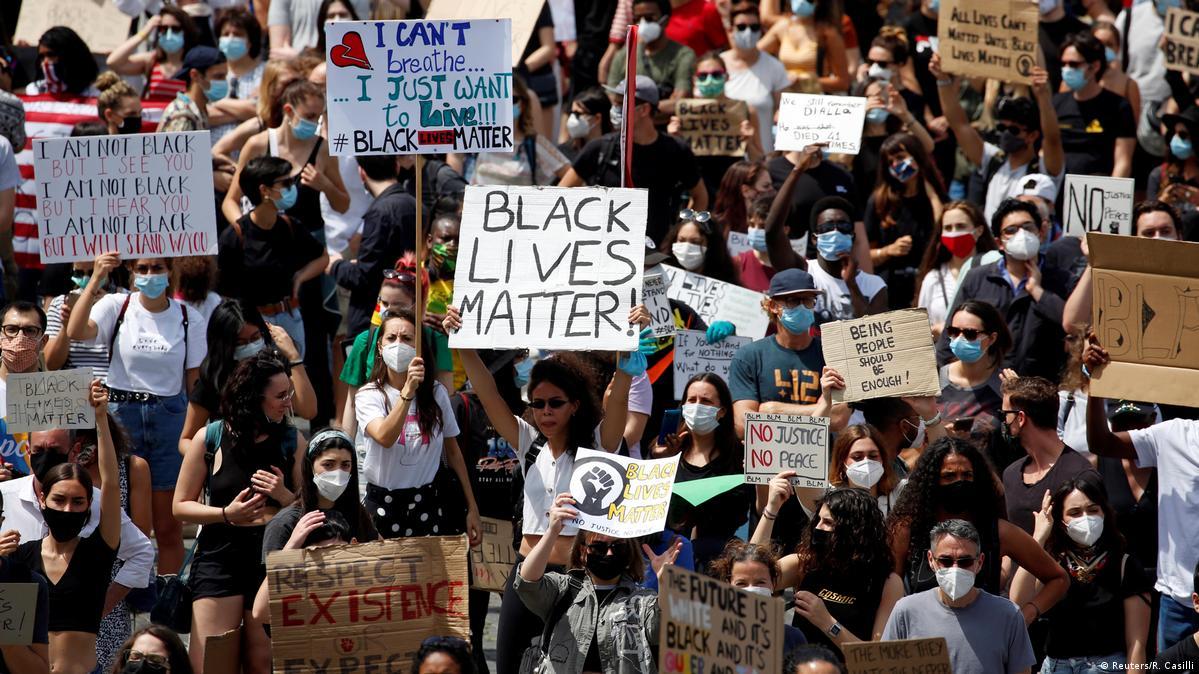
These organizations also call for the adoption of comprehensive national strategies to combat Afrophobia, ensure equal opportunities in employment, education, health care and justice, and end discriminatory practices that perpetuate racial divides within societies.
Afrophobia or xenophobia?
With the increasing movement of migration and mobility within and outside Africa, combating Afrophobia remains a major challenge for governments and civil societies, not only to protect the rights of millions of Africans, but also to preserve the values of solidarity and unity that have formed one of the most important pillars of the contemporary African project.