Vote counting continues in Ethiopia after elections marred by security disturbances
Tigray is absent from the electoral process.
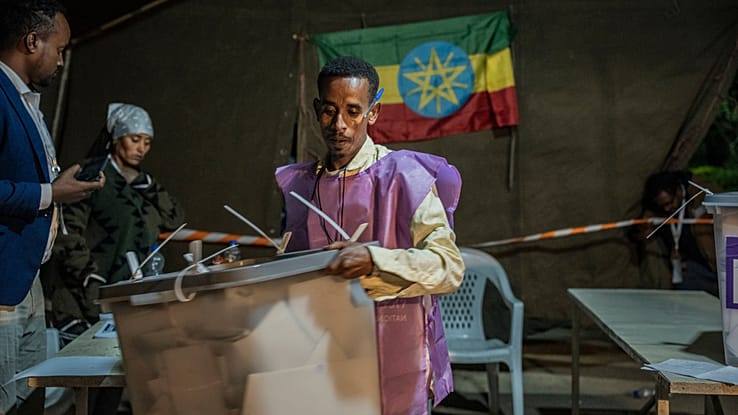
The vote counting process continued in Ethiopia following the parliamentary and regional elections held on Monday, amid widespread expectations that the ruling Prosperity Party, led by Prime Minister Abiy Ahmed, would win a comfortable majority, despite the security challenges that overshadowed the electoral process in a number of regions.
More than 50 million registered voters participated in the election to choose members of the House of Representatives and regional councils, in an election that is a significant political milestone for Abiy Ahmed, who is seeking to renew his mandate to lead the country for the next five years. The final official results are expected to be announced by June 11.
Although the voting process proceeded normally in most parts of the country, some areas witnessed security disturbances that affected the course of the elections, especially in the Oromia and Amhara regions, which have been experiencing tensions and activity by armed groups for years.
The National Election Commission announced that security incidents disrupted voting at 143 polling stations, which were unable to resume operations on election day.
Tigray is absent from the electoral process
The Tigray region was also absent from the electoral process for the second time in a row due to what the electoral authorities described as ”unfavorable conditions,” amid the continuing political and security repercussions of the war that the region witnessed between 2020 and 2022. The exclusion of Tigray raises concerns among some observers about the inclusiveness of the political process in the country.
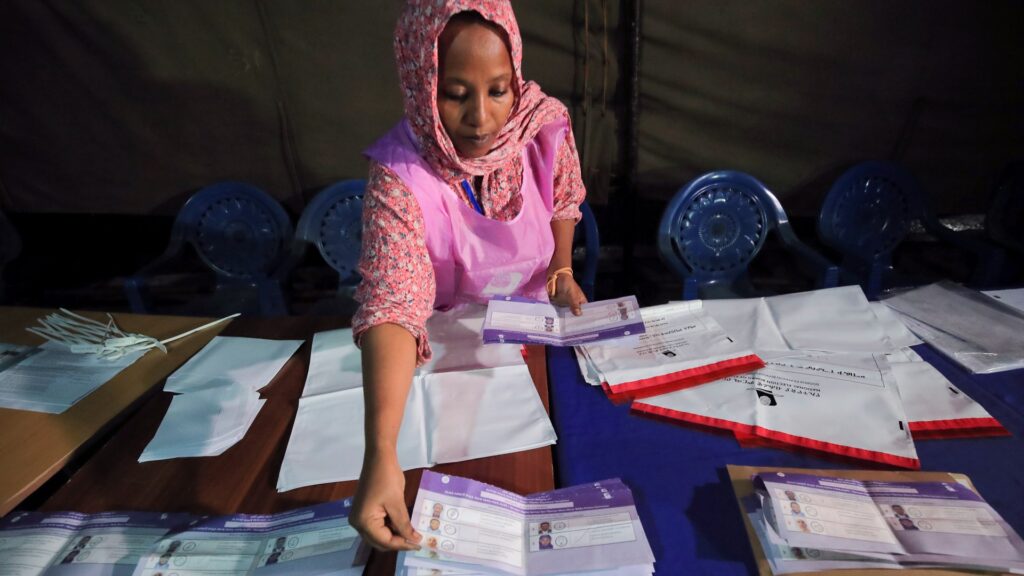
Abiy Ahmed faces this year's elections under complex circumstances, as the country continues to grapple with the aftermath of armed conflicts in several regions, alongside mounting economic and security challenges. Meanwhile, the Prosperity Party is focusing its campaign on what it considers its successes in economic reform and improved growth and investment rates.
Reports and observers predicted that the ruling party would achieve a major victory due to the fragmentation of the opposition parties and their weak ability to compete, at a time when some political forces accuse the government of restricting their activities and arresting a number of their leaders, accusations which the Ethiopian authorities deny, stressing that the measures taken are in accordance with the law.
The capital, Addis Ababa, witnessed a heavy security presence on election day, while election monitoring organizations called on all parties to respect the democratic process and maintain civil peace.
A number of voters also expressed their hope that the elections would contribute to strengthening national stability and addressing the political and economic challenges facing the country.
Analysts believe that the election results will be an important indicator of the Ethiopian government's ability to maintain political stability in a country of more than 120 million people facing multifaceted security challenges.
The results will also determine the shape of the next phase, given the ongoing internal tensions and regional challenges surrounding Ethiopia, including disputes related to security, borders, and relations with neighboring countries.