South Africa's first electric bus: accelerating its move towards clean transport.
A qualitative shift in the course of public transport
Written by Amina Hassan
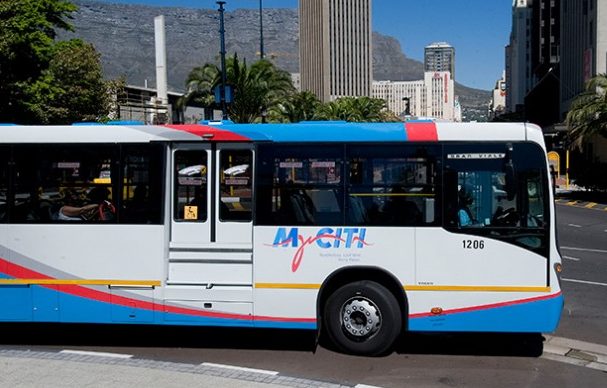
Cape Town, South Africa, is preparing to receive its first electric bus as part of the MyCiTi rapid transit system next August, in a move that represents a qualitative shift in the course of public transport within the African continent.
This initiative is part of the city's efforts to reduce reliance on fossil fuels, lower emissions, and modernize its fleet, which serves hundreds of thousands of passengers daily.
A phased plan to introduce 30 electric buses
The municipality announced that this bus will be the first in a plan to add 30 electric buses by 2027, with 13 additional buses expected to arrive before the end of 2026, and the first batch to be fully completed by June 2027, in preparation for the actual start of passenger transport in July of the same year.
Strategic routes serving the most densely populated neighborhoods
In the first phase, buses will operate on southeast city routes, particularly on corridors connected to the Phase Two (2A) expansion, linking communities such as Mitchell Plain and Khayelitsha to major commercial centers, enhancing urban connectivity and serving densely populated areas.
Local manufacturing and support for national industry
The first buses will be 12-meter-long Volvo BZRLE models, with bodies manufactured in Johannesburg, in a clear indication of support for local industry and building national capabilities in clean vehicle technologies within South Africa.
Reduce operating costs by up to 70%
Cape Town City Council asserts that the switch to electric buses not only has an environmental impact, but also significantly reduces operating costs.
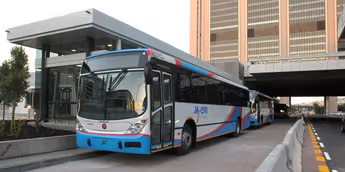
International experiences indicate that some electric transport fleets have succeeded in reducing fuel and maintenance expenses by up to 70% compared to diesel-powered buses.
Research partnership to measure actual performance
To test the efficiency of buses in local conditions, the city will collaborate with the University of Cape Town on a 12-month pilot program. The program will focus on studying battery performance, charging times, passenger loads, and the impact of weather and road conditions on energy consumption.
A step in a global race towards sustainable transport
Cape Town is joining global cities in adopting electric buses as battery costs fall, environmental and economic pressures increase, and with global energy markets volatile, municipalities see this shift as a long-term hedge against fuel price shocks and currency fluctuations.