Former Minister of Irrigation to Zoom Africa News: Some Western powers control the decisions of a number of African countries, and water security is in danger.
التغيرات المناخية تفرض تعاونًا أكبر بين دول حوض النيل لحماية الموارد المائية
Written by: Mohammed Omran
is popular Water file In the Nile Basin, with widespread attention, given its great importance to the basin countries in the fields of development, food security, and regional cooperation, and with the continuation of challenges related to water resource management, the need arises to strengthen dialogue and coordination between countries, contributing to achieving common interests and supporting sustainable development efforts.
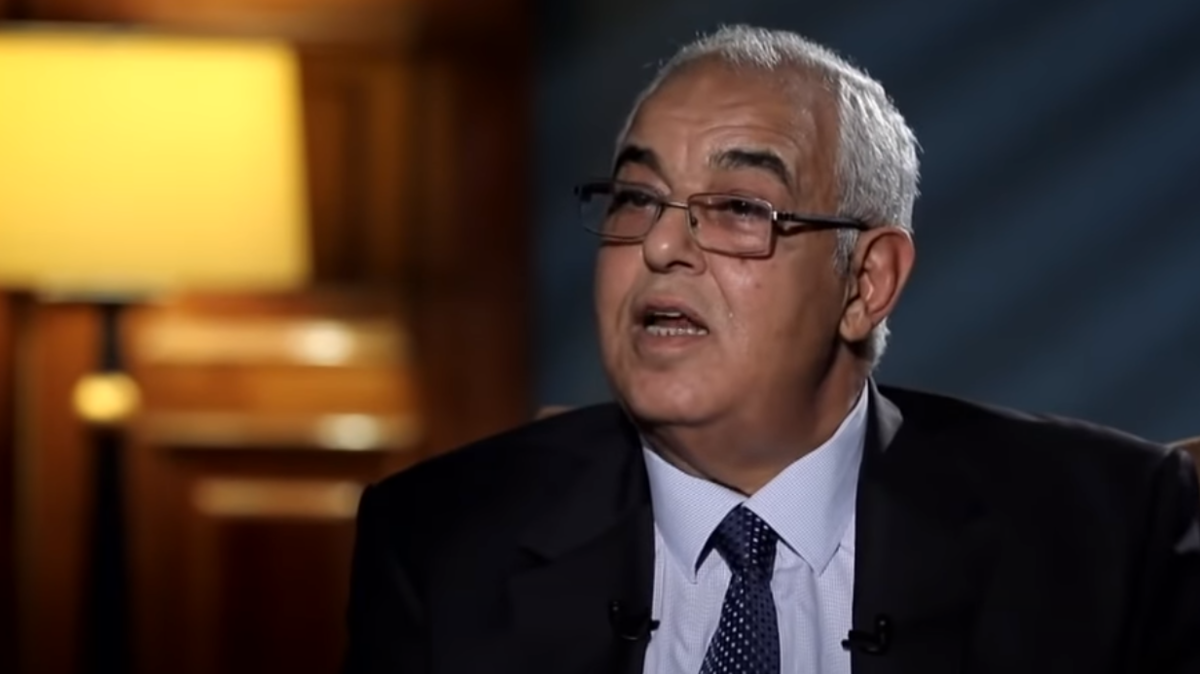
Mohamed Nasr El-Din Allam in an interview with Zoom Africa News: Water security in Africa will only be achieved through cooperation and joint development.
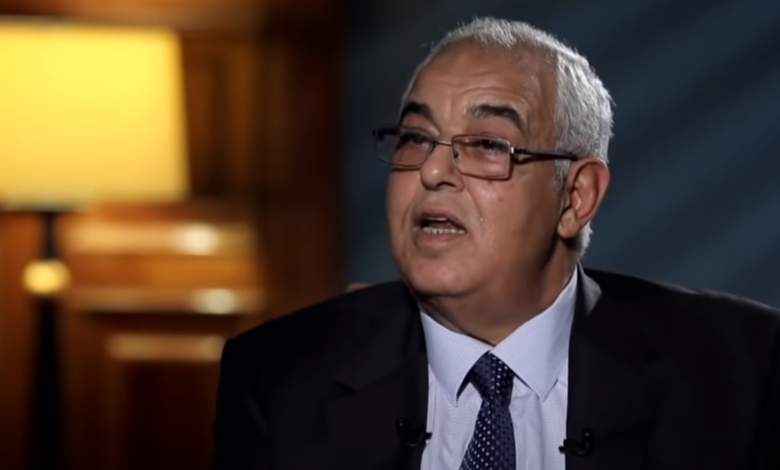
In this context, Zoom Africa News contacted Dr. Mohamed Nasr El Din Allam, former Egyptian Minister of Water Resources and Irrigation, to discuss his vision for the present and future of water cooperation among Nile Basin countries, his assessment of several issues related to water resources management, opportunities to enhance economic and developmental cooperation, as well as the impact of climate change, and the importance of joint projects in supporting stability and achieving development in the African continent.
And to the dialogue questions

How do you assess the current water situation in the Nile Basin countries in light of regional and international changes?
Unfortunately, there is significant control by some Western powers over the decisions of a number of African countries and Nile Basin countries. Instead of encouraging joint development projects, such as developing wetland and swamp areas to increase the Nile River's inflow for the benefit of all countries, restrictions are imposed on grants and aid, and some arms deals are even linked to the non-implementation of these projects, which negatively impacts the future of water cooperation in the basin.
What are the most prominent challenges facing Nile Basin countries in managing shared water resources?
Among the most prominent challenges are external interventions that hinder the implementation of joint development projects, such as reclaiming water losses from pools and swamps, in addition to attempts to impose visions that do not take into account the interests of all basin countries.
What is your assessment of the GERD dam negotiations over the past few years?
Ethiopia built a huge dam without notifying downstream countries or conducting necessary studies to avoid harming them. Major powers did not take a clear stance to compel Ethiopia to abide by international law regarding shared rivers. Some parties even provided financial and military support, which contributed to the complexity of the crisis.
Are there still opportunities to reach a legally binding agreement on the operation and management of the Grand Ethiopian Renaissance Dam?
Yes, if intentions are pure and the goal is the interest of the peoples of Egypt, Sudan, and Ethiopia, not serving the interests of external powers. An agreement can be reached that regulates the rules for filling and operating the dam, ensuring the continuation of electricity production for Ethiopia while mitigating the negative impacts on the water security of Egypt and Sudan.
How do you view the future of water relations between Ethiopia and the downstream countries in light of the ongoing Grand Ethiopian Renaissance Dam crisis?
The Grand Ethiopian Renaissance Dam can become an important point of cooperation and coordination between Ethiopia, Egypt, and Sudan if political will is available, and the goal is to achieve the interests of the three peoples, not to deepen differences.
What are the opportunities for cooperation between basin countries to achieve water security and joint development?
Based on my academic and executive experience, countries in the basin have no future except through cooperation and coordination, increasing trade exchange, investments, and joint development. Egypt possesses technical expertise and a qualified workforce, and it represents an important link between Africa, Europe, and the Gulf countries.

How can Egypt enhance its cooperation with Nile Basin countries away from the dam issue?
This can be achieved by strengthening trade and investment exchange, benefiting from Egyptian expertise in various fields, and implementing joint development projects that serve the interests of all parties.
What role can joint ventures play in reducing disputes between basin countries?
The navigation development project on the Nile River between the countries of the Equatorial Plateau and Egypt represents an important opportunity to strengthen ties between the basin countries, increase trade and investments, and open new markets for agricultural products, thereby enhancing common interests and reducing opportunities for conflict.
How can the right of upstream countries to development be balanced with the historical water rights of downstream countries on the Nile?
If the real goal is to maximize electricity production for the benefit of the Ethiopian people, the three countries can cooperate to achieve this goal, by signing a legal agreement that regulates the rules of filling and operation, while simultaneously preserving the water security of Egypt and Sudan.
How do you see the future of the Nile Basin Initiative, and can it be revived to be a comprehensive framework for cooperation?
Although the Nile Basin Initiative was based on developmental and cooperative goals, external funding contributed to directing it towards an agreement framework that aims to abolish the historical water rights of the downstream countries and prevent the implementation of projects for the abstraction of water losses. The idea of making decisions by majority instead of consensus was also raised, which would allow for the imposition of decisions that do not serve the interests of all countries.
How can economic cooperation between Egypt, Sudan, and Ethiopia be strengthened?
There are great opportunities for developing trade between the three countries in the areas of meat, coffee, and wheat from Ethiopia, and pharmaceuticals, textiles, and building materials from Egypt, in addition to developing electricity interconnectivity for local consumption or export.
How have climate changes affected water resources in the Nile Basin?
Climate change represents one of the most significant future challenges for Nile Basin countries, as it affects rainfall rates and river discharge. Therefore, it is essential to develop scientific models to predict its impacts on water resources, so that the basin countries can develop adaptation plans for these variables.
How does population growth in the Nile Basin countries affect the future of water resources?
Population growth is doubling the pressure on limited water resources, especially in Egypt, which relies almost entirely on the Nile River. Simultaneously, the per capita share of water is declining to levels far below the global water poverty line, making sound water management an absolute necessity.
Do the basin countries have a unified vision to confront the challenges of drought and floods?
As of now, there is no sufficiently unified vision, as political disagreements and external interventions have hindered the development of a common strategy. What is needed is the building of trust and genuine cooperation in managing water resources in a way that serves the interests of all basin countries.

The importance of linking water security and food security in the Nile Basin countries lies in the fact that water is a fundamental resource for agriculture, which is the primary source of food in the region. Without sufficient and reliable access to water, food production is compromised, leading to food insecurity and potentially political instability. Conversely, efforts to ensure food security often require significant water resources, highlighting the interdependence of these two critical aspects of national security.
Water security is the foundation of food security, and any decline in water resources is directly reflected in agriculture and food production. Therefore, maintaining the flow of the Nile River is a necessity for achieving development and stabilizing food security in the Nile Basin countries.
How can modern technology be leveraged to rationalize water use within basin countries?
Modern technology represents a key tool for improving water management, whether through developing irrigation systems, using digital models to predict floods and droughts, or increasing the efficiency of water resource distribution and decision-making based on scientific data.
What is your assessment of the role of regional institutions in managing water disputes among Nile Basin countries?
Regional institutions can play an important role if they adhere to neutrality and focus on cooperation and achieving common interests, away from any external pressures or agendas that might affect their decisions.
What are the most prominent potential scenarios for the future of water cooperation in the basin in the coming years?
The future of cooperation depends on the ability of the basin countries to return to serious dialogue and reach understandings that achieve joint development. However, the continuation of unilateral policies will lead to increased tensions and complicate the water file.

What message should Nile Basin countries send to the international community regarding support for water cooperation projects?
The international community should direct its support towards joint projects that increase water resources and achieve development for all basin states, instead of encouraging disputes or funding projects that deepen conflicts. This aligns with what the Doctor proposed regarding the importance of projects for capturing losses and joint development.
What are the priorities that Egypt should focus on during the next stage regarding the Nile Basin file?
Priority should be given to expanding economic and investment cooperation with the basin countries, strengthening river transport and electricity interconnection projects, and leveraging Egyptian expertise in water and development fields, while continuing to uphold its water rights in accordance with international law.
Ultimately, what is your vision for the future of water security in Africa, and what advice do you offer to decision-makers in the Nile Basin countries?
The future of water security will only be achieved through cooperation and coordination, increased trade, the implementation of joint projects, and a move away from foreign interventions, because shared development is the true guarantee of the region's stability.