Congolese Minister Eve Masudi in dialogue with “Zoom Africa News”: Africa's crises are caused by wars, pandemics, and climate change... and Egypt is a true pillar for us in all crises.
The Minister of State for Social Affairs of Congo spoke about the features of the 2026 Humanitarian Response Plan and the challenges of security, displacement, and the future of social empowerment in the country.
From Kinshasa.. Sally Atef's dialogue
We face a severe funding shortage, and rebel terrorism hinders aid delivery to 7 million people in need.
”Literacy" is our priority to break the cycle of poverty
Our strategy aims to fund projects for youth and people with disabilities and transform them into productive forces.
African woman, I tell you, education is your first weapon to reach decision-making seats.
We demand the “localization of aid” and strengthening of local cadres to confront crises.
We value Egypt's support in confronting Ebola, which saved citizens in Ituri.
We thank the Egyptian people and their leadership. Your medical and nutritional support embodied the meaning of African solidarity.
Cooperation with Egypt extends from health to water resources, and Cairo is our backbone in facing crises.
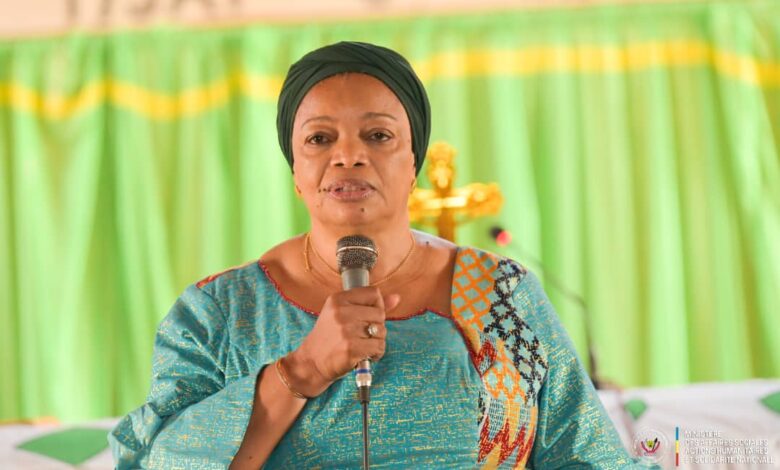
Eve Bazaiba Masudi, Minister of State for Social Affairs, Humanitarian Action, and National Solidarity of the Democratic Republic of the Congo, affirmed the deep Egyptian-Congolese relations, describing them as a firm strategic partnership that is best manifested during crises.
The minister said in a special interview with “Zoom Africa News” that the cooperation between Kinshasa and Cairo is not just protocols, but a tangible reality that extends to vital areas such as community development, the exchange of expertise in social affairs, water resource management, and health.
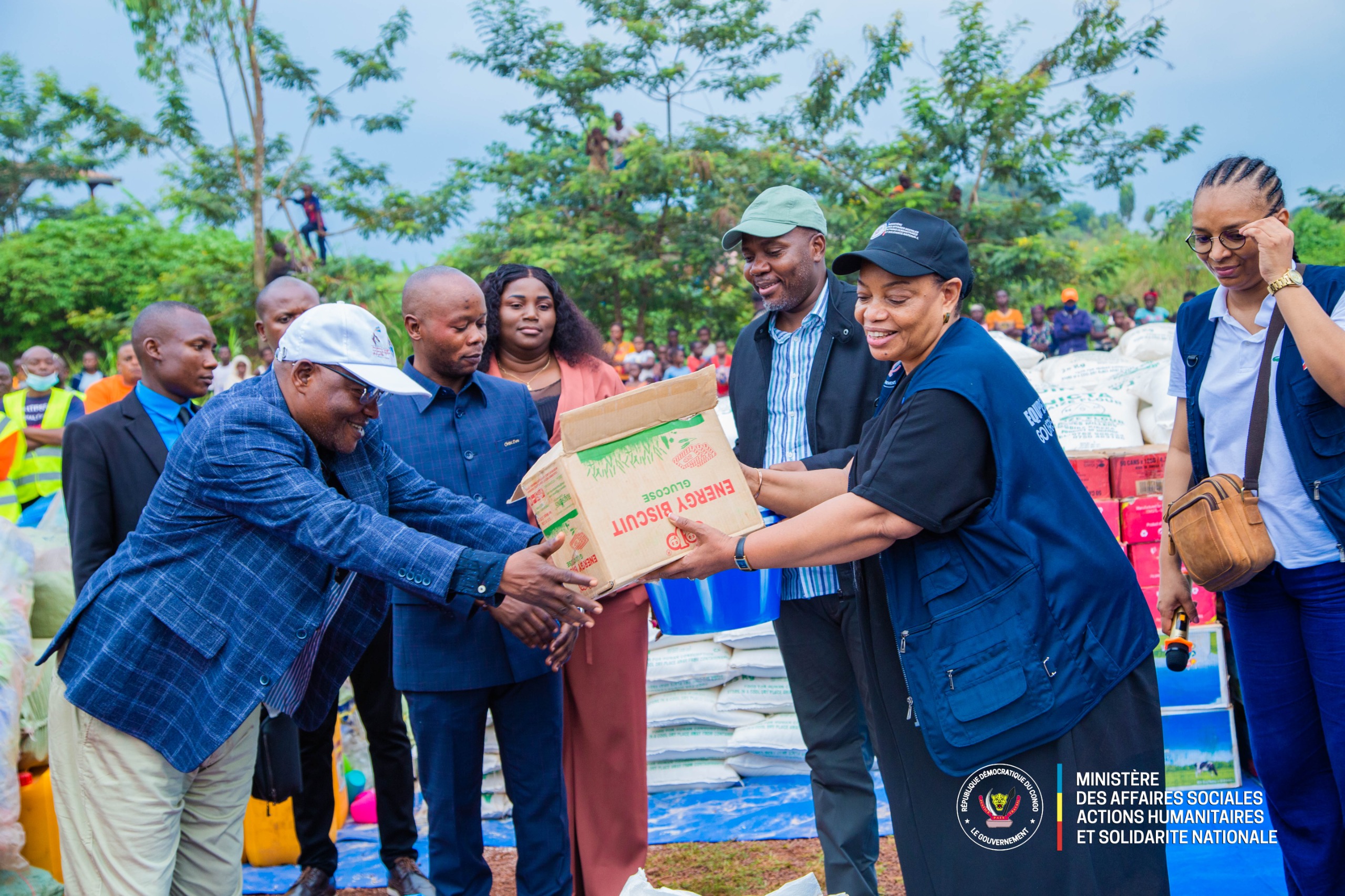
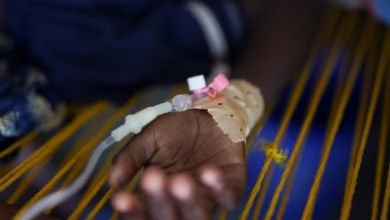
“Bazayiba” expressed her country's utmost appreciation for the medical and food aid recently provided by Egypt to support the population affected by the “Ebola” epidemic in the “Ituri” region, stressing that Egypt has always been at the forefront of countries supporting the stability of the Democratic Republic of Congo.
The following is the text of the dialogue that addressed the features of the 2026 Humanitarian Response Plan, the challenges of security and displacement, and the future of social empowerment in the country. It also highlighted the priorities of the current phase, the government's efforts in protecting the most vulnerable groups, and the nature of strategic cooperation with Egypt.
Your Excellency, the Minister. You have recently taken on the responsibilities of the Ministry of Social Affairs and Humanitarian Work. What are your main priorities at this stage, and what are the most prominent challenges the ministry is working to address?
First, I would like to express my sincere appreciation for your interest in the humanitarian situation in the Democratic Republic of Congo, and seize this good opportunity to thank, through you, the brotherly Egyptian people for their sentiments and support.
Since taking responsibility for social and humanitarian work in August 2025, our strategy has been based on two parallel paths:
The first is the social track, and our top priority within it is reducing illiteracy rates, and working to empower citizens with reading and writing as a fundamental gateway to development.
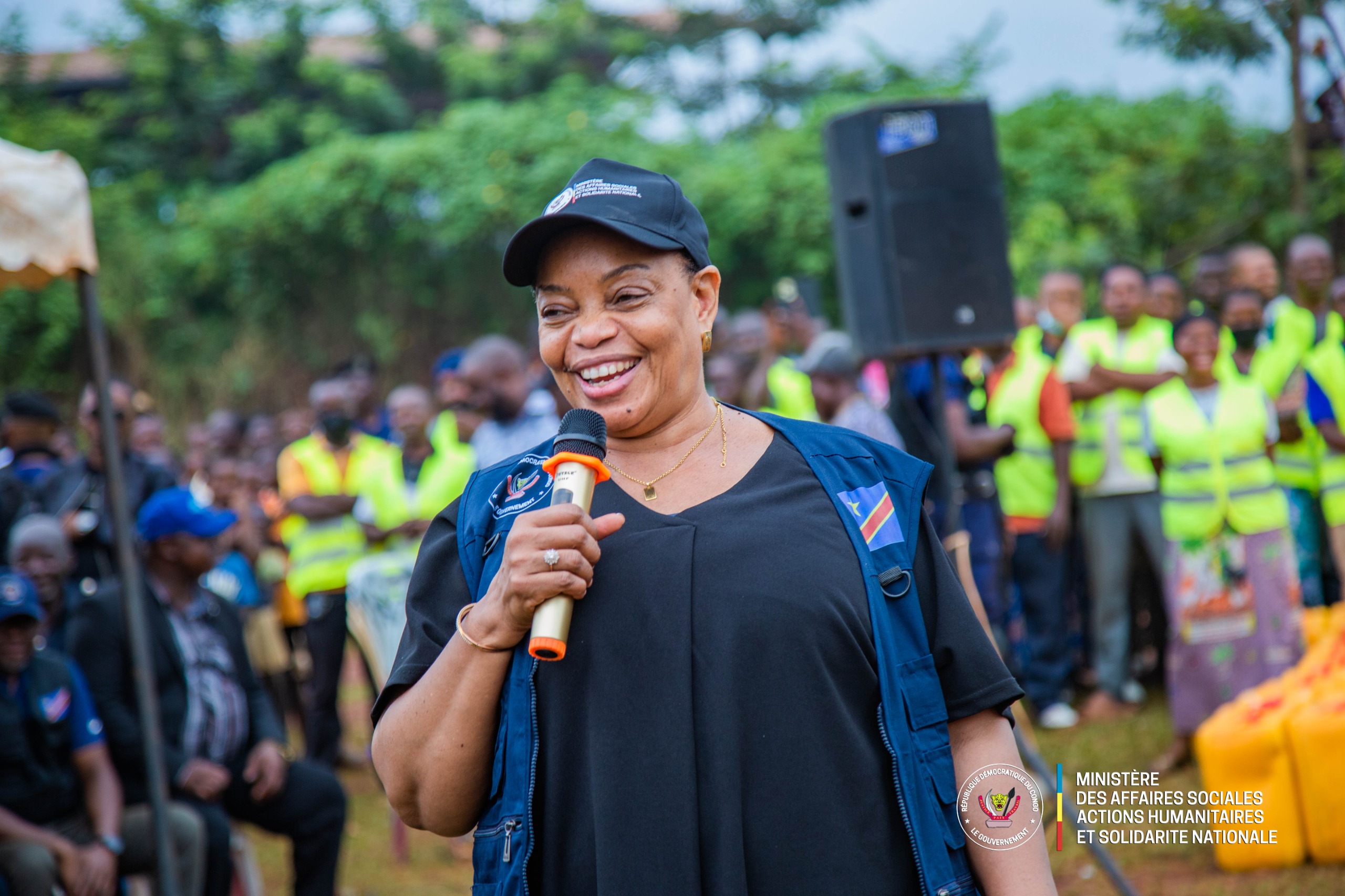
The second is the humanitarian track, where our current focus is on implementing the “Humanitarian Response Plan for 2026," with a budget estimated at over US$1 billion. This plan is dedicated to addressing severe security and humanitarian crises, particularly in the eastern regions of the country.
Regarding challenges, we are currently suffering from a severe lack of funding; we do not have sufficient resources to cover all humanitarian support needs. In addition to the security challenge, which is the difficulty of accessing some areas controlled by rebel groups in the east of the country, which hinders the delivery of aid to those who deserve it.
The Democratic Republic of Congo continues to face immense humanitarian challenges. What is the government's strategy for protecting the most vulnerable groups, especially women, children, and internally displaced persons?
The government of the Democratic Republic of the Congo is working in close cooperation with the United Nations, where we are currently focusing on providing a comprehensive humanitarian response targeting more than 7 million people.
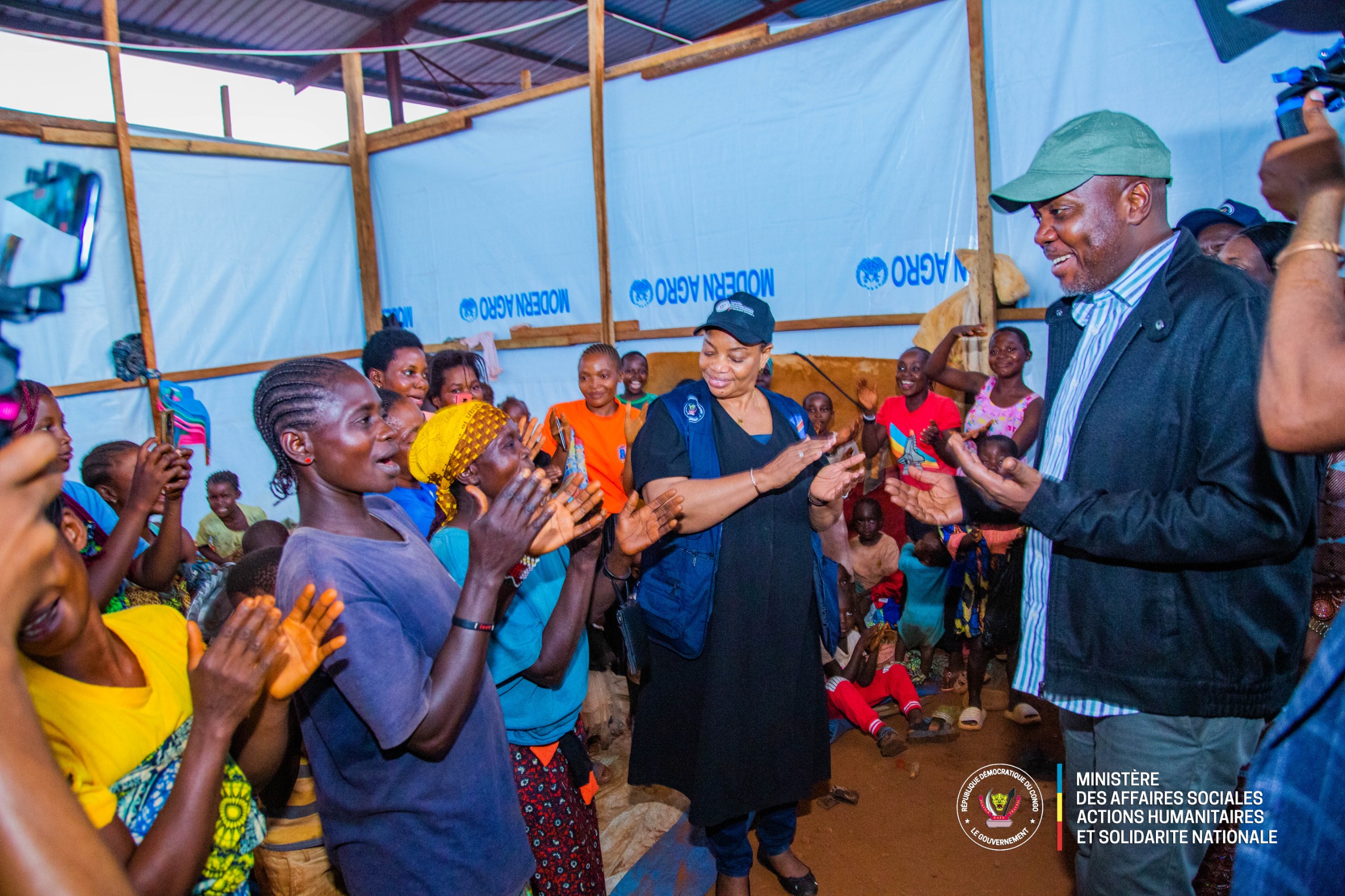
Our utmost priority is to provide individual, legal, and physical protection for women and children, as they are the most vulnerable groups affected by conflicts. We also pay special attention to internally displaced persons who face compounded suffering. Our strategy relies on “multi-sectoral coordination” to prevent gender-based violence and offer integrated solutions, including shelter, healthcare, protection from abuses, and ensuring the dignity of displaced persons in their camps until their safe return to their homes.
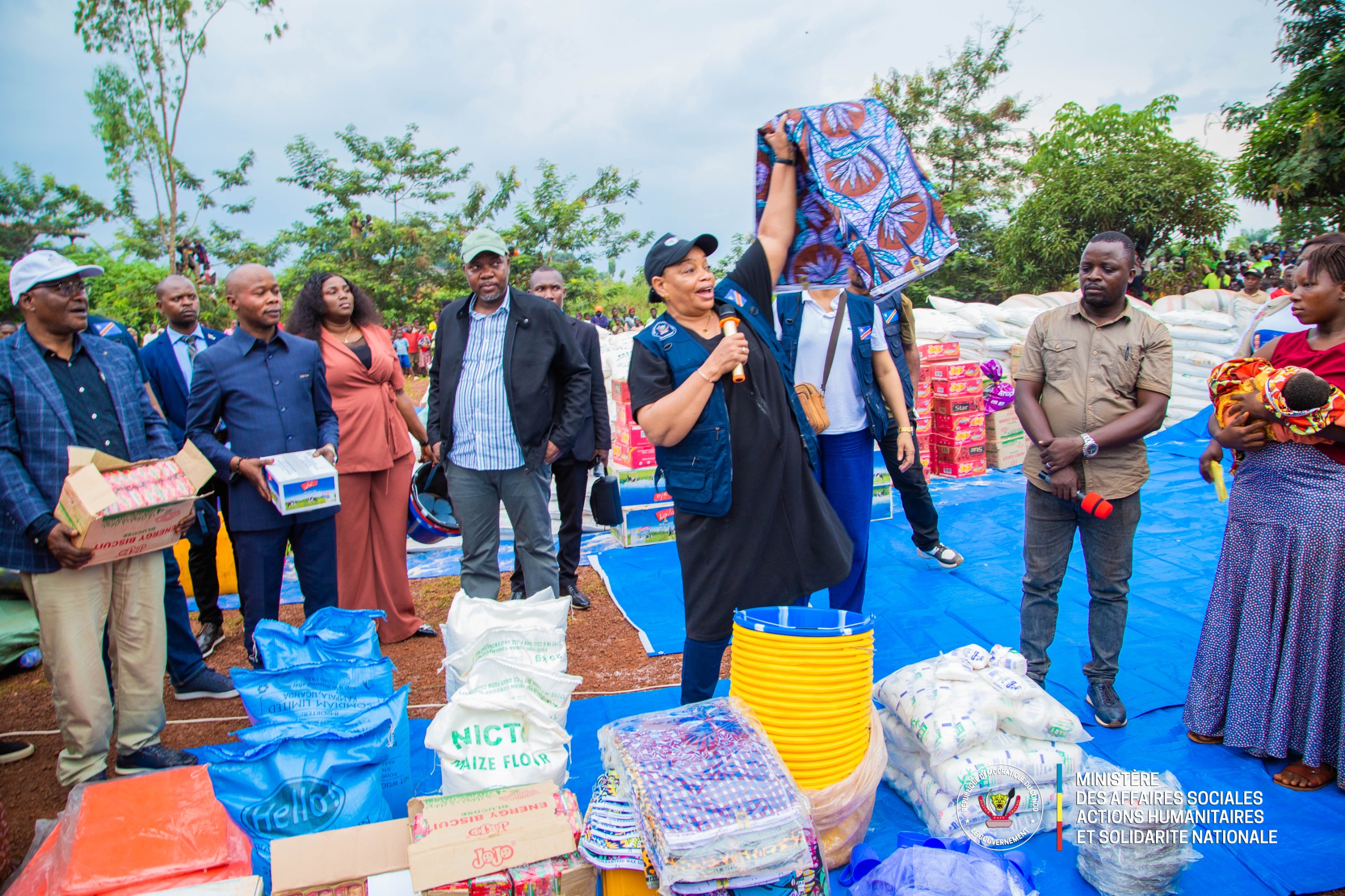
How does the Ministry empower persons with disabilities and youth and integrate them into society to break the cycle of poverty?
We believe in empowerment, not just in providing aid. The ministry is currently implementing social and economic reintegration programs for people with disabilities and youth by providing vocational training and creating sustainable economic opportunities. Our goal is to transform these groups into productive forces capable of supporting themselves and contributing to building a strong national economy, which is the only way to break the cycle of inherited poverty.
Considering the bilateral relations we have, how do you see the prospects for partnership with Egypt in social and humanitarian fields? And what is your message to Egypt after its recent support against the Ebola epidemic?
Partnership with Egypt is a partnership of “limitless opportunities.” We look forward to exchanging expertise in social affairs, healthcare, and water resource management. On behalf of my country's government, I renew our thanks to Egypt for the medicines and food it recently provided us to combat the “Ebola” epidemic in the “Ituri” region. This assistance was crucial in saving lives. Egypt has been and will continue to be a true support for us in all crises, and we greatly cherish this cooperation.
What is your assessment of the African Union's role and that of international partners, especially following the visit of President Cyril Ramaphosa and CDC officials to your country?
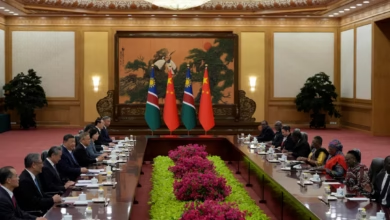
The African Union's role is extremely vital, and the visit of President Ramaphosa and Dr. “Kasia,” Director of Africa CDC, has strengthened the capacities of the national task force to confront epidemics. We demand that these partnerships be transformed into “localization of aid,” empowering local cadres in Congo to effectively manage crises with greater sustainability.
How can African countries transition from a phase of “crisis response” to building resilient and sustainable societies?
The solution lies in the “Nexus” approach, which links humanitarian aid, peace, and development. It's not enough to provide food for the displaced; we must invest in agriculture and education to secure their future. In the context of combating Ebola, we are working to return the displaced to their home regions, as overcrowding in camps is a breeding ground for epidemics.
On a personal level, what is the most important lesson you have learned by transitioning from the “environment” portfolio to “social affairs and humanitarian action”?
It's a natural and inspiring transition; in the environment, I was protecting nature to face climate change, and now I'm protecting humans who are harmed by this change. The humanitarian crisis in my country stems from three shocks: wars, pandemics, and climate change. Therefore, my previous experience helps me today in supporting vulnerable groups like widows and orphans who have lost their livelihoods due to these overlapping shocks.
As a prominent woman in politics, my message to aspiring African women leaders is this: Never underestimate your power, your voice, or your vision. The continent's future depends on your resilience, your innovation, and your unwavering determination to lead. Embrace your unique perspectives, build strong networks, and always remember that your journey, though challenging, is paving the way for generations to come. Rise up, claim your space, and lead with courage and conviction.
The African woman is a symbol of resilience, mediation, and peacebuilding. My message to her is: Invest in your education and participate actively in decision-making. We need strong women leaders in Africa to guide their countries toward stability, and this is what I strive to establish through my political and social work.
In conclusion, what is your message to the African peoples, and how do you see the role of the media, especially Egyptian media, in strengthening continental solidarity?
My message is “African Unity”; we are stronger together, and the media has a great role in portraying a positive image of our continent and highlighting our solidarity. I would like to thank the Egyptian media in particular, as they follow us with great interest and highlight our social, humanitarian, and environmental issues with high professionalism. Thank you, Egypt, and may God bless your efforts to strengthen the ties between our peoples.