Will Cullinan in South Africa return to the throne of the world diamond industry?
The discovery of a rare 41.82-carat blue diamond is bringing renewed attention to the historic Cullinan mine.
Written by: Mohammed Omran
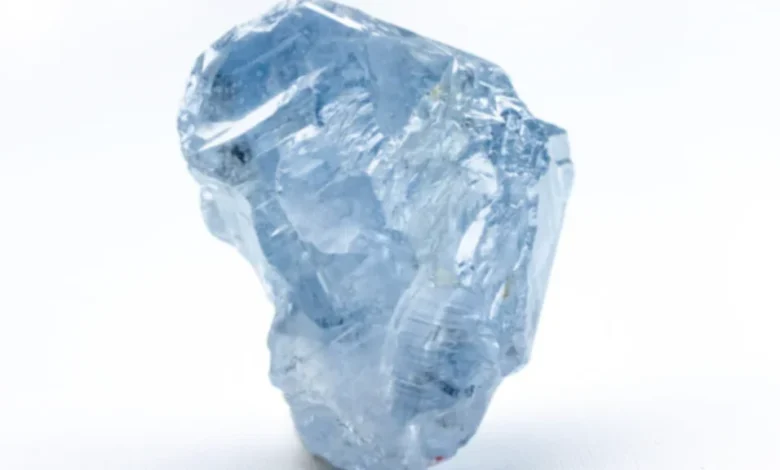
The Victorian township of Cullinan, founded in 1902 in South Africa’s Gauteng province to support the Cullinan mine, has unearthed a rare 41.82-carat blue diamond, expected to be worth more than 500 million rand.

Discovery of a diamond worth 500 million rand
The town of Cullinan, east of Pretoria, was founded along the Diamond Trade Route and named after diamond magnate Sir Thomas Cullinan. It is world-famous for the discovery of the Cullinan Diamond in 1905, the largest gem-quality rough diamond ever found, weighing 3,106 carats, or about 621 grams, roughly the size of a fist.

The Cullinan diamond was presented to King Edward VII and was later cut into several large stones that are today among the most prominent jewels in the British Crown Jewels, including the 530-carat “Cullinan I (Great Star of Africa),” the largest polished diamond in the world, set in the King’s Sceptre with the Cross, and the 317-carat “Cullinan II (Second Star of Africa),” set in the Imperial State Crown worn by the British monarch during the State Opening of Parliament.

While many mines produce white diamonds, the Cullinan Diamond Mine (formerly known as the Premier Mine) is one of the most important sources of Type IIB blue diamonds, which are among the rarest diamonds in the world due to their boron-containing chemical composition. These diamonds are extremely rare and highly valued globally, as the mine is famous for producing exceptional stones that sell for millions of dollars.
In January 2026, Petra Diamonds announced the extraction of a new 41.82-carat blue diamond from the Cullinan mine, which is currently undergoing rigorous analysis to determine its final value, amid expectations that it may exceed 500 million rand.

The company said the mine has produced between 1.4 and 1.9 million carats annually over the past five years, and production is expected to continue into the 2040s, reinforcing its position as one of the world's most important sources of blue diamonds.

Gem experts describe this diamond as one of the rarest discoveries on Earth, with expectations that it will break new records in the diamond market once its final appraisal is completed.