The exodus of doctors from Africa: a brain drain threatens the future of healthcare on the continent.
25% Diseases fought by 4% doctors
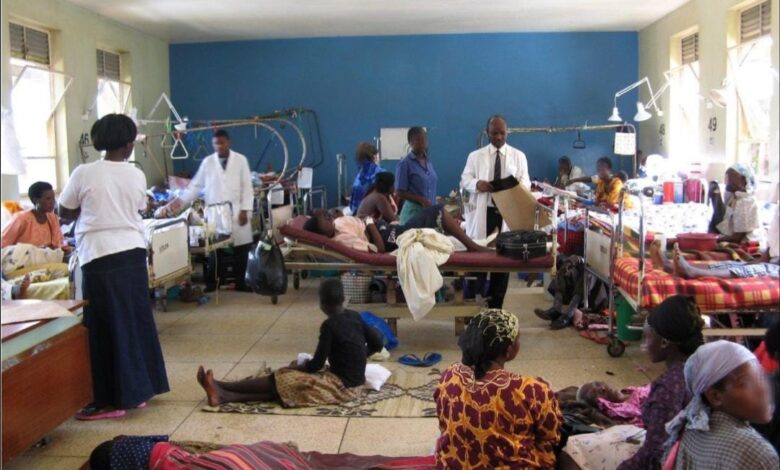
Written by: Mohammed Omran
While African countries race against time to achieve universal health coverage and confront recurring epidemics, the continent faces a more complex challenge: the migration of doctors and health workers abroad. The phenomenon is no longer just a transfer of skilled labor, but has turned into a development crisis that threatens the ability of health systems to provide even the most basic services to hundreds of millions of people.
As wealthy nations continue to attract African doctors to fill the gaps in their health systems, the continent's countries find themselves facing a difficult equation: they spend millions of dollars on educating and training doctors, only to lose them to labor markets that offer higher salaries, better facilities, and wider opportunities for specialization and scientific research.
Figures reveal the scale of the crisis
According to the “State of the Health Workforce in Africa 2026” report, issued by the World Health Organization Regional Office for Africa, the number of health workers on the continent increased from 4.3 million in 2018 to about 5.72 million in 2024, an increase of more than 331 TP3T.
Despite this growth, the organization confirms that Africa still has only 46,% of the health workforce it needs, while estimates indicate a continued shortfall of about 5.85 million health workers by 2030 if current employment and migration rates continue.
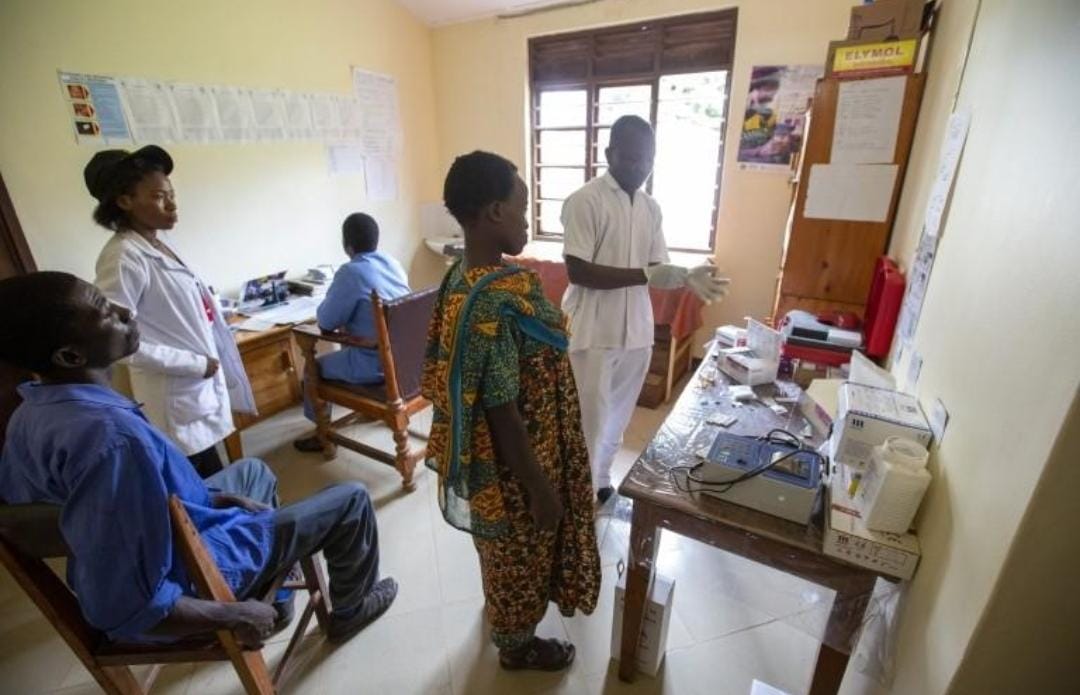
The data also reveals a striking paradox: there are approximately 943,000 qualified health workers not employed within health systems due to weak government funding and a lack of jobs, at a time when large areas of the continent are suffering from a severe shortage of doctors and nurses.
A continent that bears a quarter of global diseases
World Health Organization data reveals the extent of the imbalance in the continent, as Africa bears about 25% of the global disease burden, while it has only 4% of the world’s health workforce, and accounts for less than 2% of global health spending.
This means that African doctors often deal with a larger number of patients compared to their counterparts in developed countries, which raises rates of burnout and increases the desire to emigrate.
Why do doctors leave?
Although high salaries are one of the main motives for migration, the reasons go far beyond the financial factor. In many African countries, doctors work in hospitals that suffer from a shortage of equipment and medicines, while they face great pressure as a result of the shortage of medical staff and the high number of patients.
Limited training and specialization opportunities, weak incentives, and political and security instability in some countries are key factors driving thousands of doctors to seek a professional future outside the continent.
World Health Organization reports indicate that the work environment has become one of the most important factors influencing the decision to stay or emigrate, especially among young doctors.
Who benefits from the emigration of doctors?
In contrast, countries such as the United Kingdom, Canada, the United States, Australia and Germany are increasingly relying on attracting foreign medical talent to address shortages in their healthcare workforce resulting from population aging and increased demand for medical services.
These countries offer accessible immigration programs for doctors, salaries that may be several times higher than what a doctor receives in many African countries, as well as opportunities for scientific research, specialization and professional development.
Experts believe that global competition for medical talent has become fiercer after the coronavirus pandemic, which has led to an acceleration in the rate of migration of doctors from low and middle-income countries.
Nigeria: The biggest example of brain drain
Nigeria is one of the African countries most affected by medical migration. Health reports indicate that the country graduates approximately 5,000 doctors annually, while thousands of them leave to work abroad, especially to the United Kingdom, Canada and the United States.
This has led to a clear shortage of government hospitals, an increased burden on the remaining doctors, and longer waiting lists for patients, especially in rural areas.
The term “Japa,” which Nigerians use to refer to emigration, has come to clearly reflect the desire of many doctors to leave the country in search of better conditions.
Countries that suffer more than others
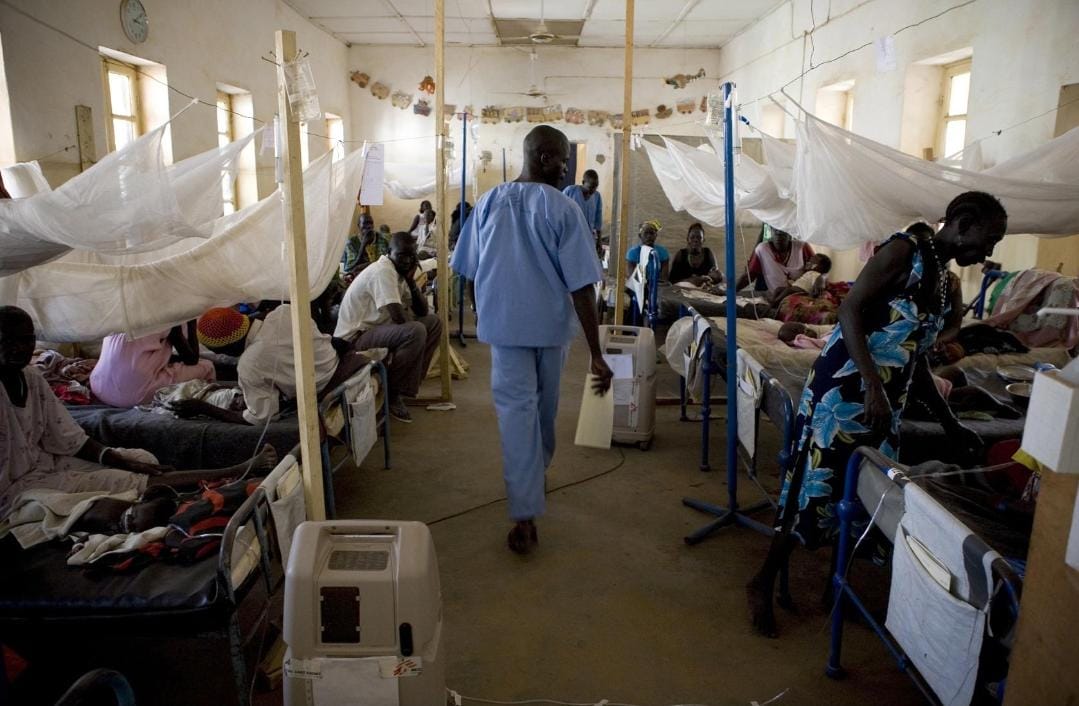
The crisis is not limited to Nigeria, but extends to a number of countries facing economic or security challenges, such as South Sudan, Chad, the Central African Republic, Niger, Malawi, Madagascar, Liberia and Sierra Leone.
These countries suffer from a severe shortage of doctors relative to the population, making access to basic healthcare a daily challenge for millions of citizens.
Who pays for the deficit?
With the decline in the number of medical personnel, patient waiting times increase, the quality of health services deteriorates, and it becomes difficult to provide medical care in rural and remote areas.
The problem becomes more complicated during epidemics and health disasters, as hospitals become less able to respond due to a shortage of doctors and nurses.
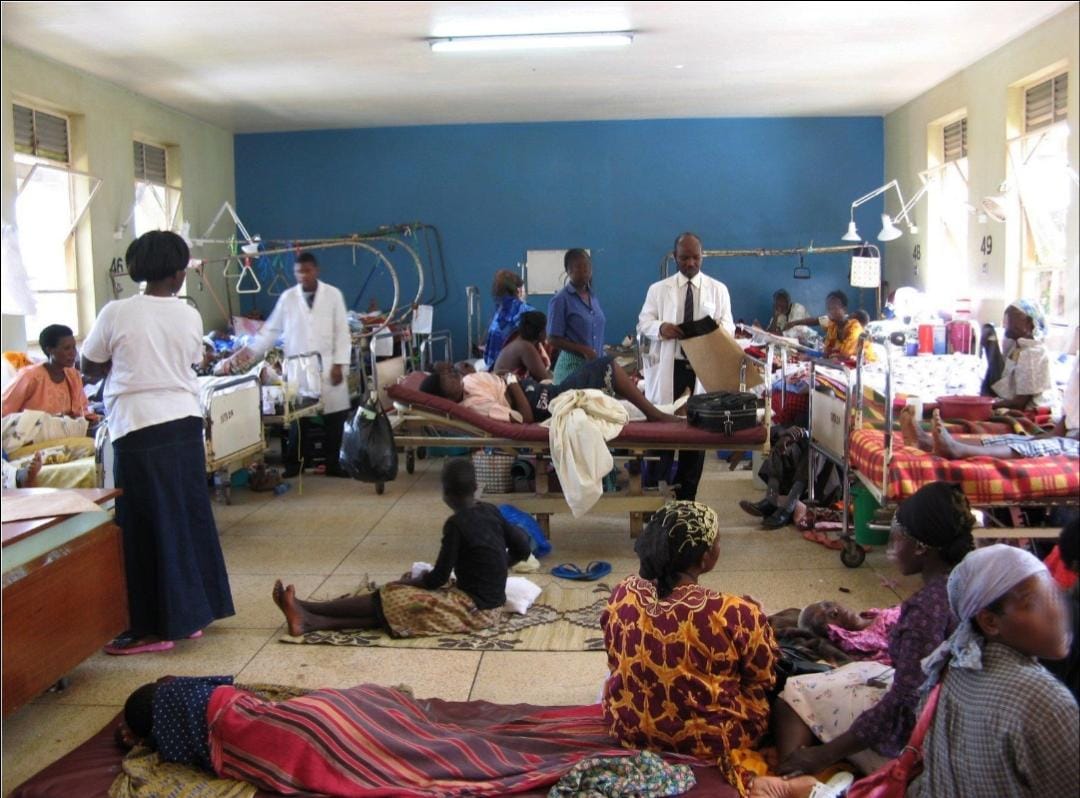
The increased pressure on the remaining doctors is also leading to higher burnout rates, prompting more of them to consider emigration, thus creating a vicious cycle for health systems.
Is the problem only with immigration?
Health experts believe that blaming immigration alone for the crisis is an oversimplification of the problem. Many African countries do not provide enough jobs for graduates despite needing them, due to limited budgets. Some health systems also suffer from poor staff distribution, with large numbers of doctors concentrated in major cities, while rural areas remain deprived of medical services.
economic loss
Weak investment in the health sector, delays in hospital modernization, and shortages of equipment also contribute to increased migration rates, and the losses from the emigration of doctors are not limited to the health sector.
It even extends to the national economy, as governments spend large sums on educating doctors from the time they enroll in medical school until the end of their internship and training years, then lose these investments when they emigrate to work abroad.
Some countries are later forced to contract with foreign doctors or seek assistance from international organizations to fill the gap, which increases the financial burden on their budgets.
Can the bleeding be stopped?
The World Health Organization believes that addressing the crisis requires an integrated strategy, including increased health spending, improved salaries and incentives, a safe working environment, the development of training and specialization programs, and the creation of clear pathways for professional advancement.
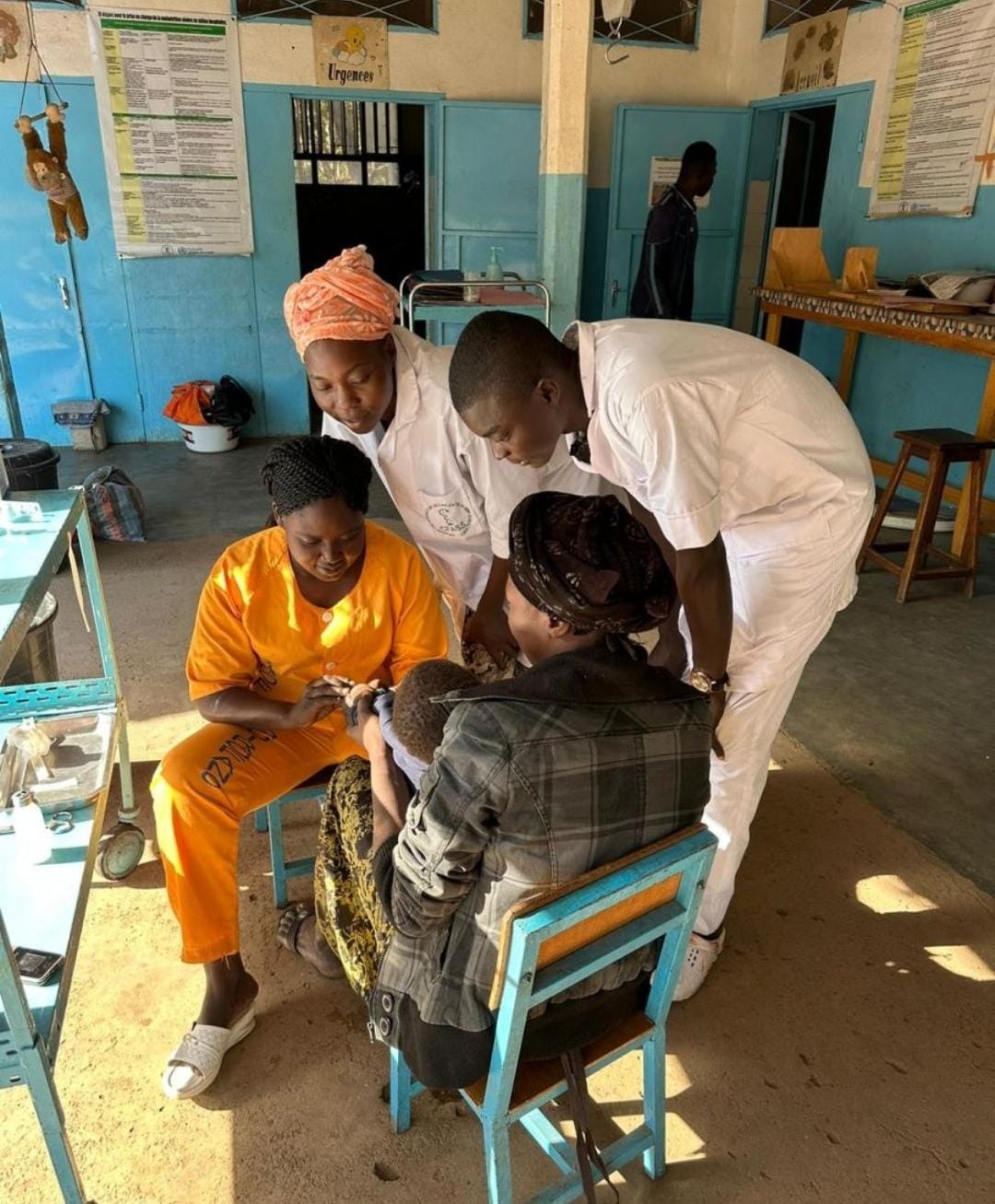
The organization also calls for the application of the Global Code of International Employment Practices for Health Workers, which aims to strike a balance between the right of doctors to move and work abroad, and the right of countries suffering from a severe shortage to retain their health personnel.
The future of healthcare in Africa
As 2030 approaches, Africa faces a real test. The continent's success in achieving the Sustainable Development Goals will depend not only on building new hospitals or buying modern equipment, but also on its ability to retain its medical talent and expertise.
Medical equipment can be purchased, and hospitals can be built, but replacing a doctor who leaves can take years. Therefore, health experts believe that stemming the brain drain of medical talent is no longer an option, but a necessity to ensure the future of healthcare for hundreds of millions of Africans, at a time when health challenges are increasing and global competition for doctors is intensifying.