From tweet to power: How have social media platforms changed the rules of politics in Africa?
Digital diplomacy exerts rapid influence

Written by Omnia Hassan
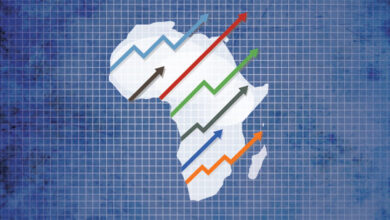
Social media platforms are no longer in Africa They are no longer just tools for political interaction or commentary, but in recent years they have become a major arena where the image of the state is shaped and through which political and diplomatic messages are managed. African leaders have begun using digital platforms not only to communicate with their people, but also to influence international public opinion and enhance their political presence.
Digital diplomacy has rapid influence and wide impact.
The short post or “tweet” has become an integrated political tool, carrying both internal and external messages at the same time. Today, the leader can address citizens, investors, foreign missions, and global media with the click of a button, without the need for traditional press conferences.

This shift has reshaped the relationship between politicians and the public, as the dominance of traditional media has declined, and presidents and ministers can now build their political discourse directly through digital platforms, giving them greater ability to direct public debate and create rapid influence.
Rwanda: Building the country's image through social media platforms
Rwanda is one of the most prominent African examples of using social media to build the image of a modern state. President Paul Kagame has used his digital accounts to present his country as a stable and open country, both economically and diplomatically.
It was not limited to promoting achievements, but extended to managing political discussions and directly responding to international criticism, which made the platform a tool for soft power and sometimes an arena for political and media confrontation.
Nigeria and Uganda: When platforms become battlegrounds
In contrast, other experiences have revealed the more tense side of the digital space. In Nigeria, the government suspended the operation of the “X” platform in 2021 after it deleted a post by former President Muhammadu Buhari, in a move that reflected a clear conflict between governments and technology companies over control of political discourse.
In Uganda, authorities resorted to blocking social media during the elections following accusations of using coordinated accounts to influence public opinion, demonstrating how platforms can transform from tools for communication into arenas for political and security conflict.
The battle for digital influence
With the escalation of crises, wars and elections on the continent, social media has become part of the battle for influence and the making of the political narrative. Power today is not measured only by what happens on the ground, but also by who succeeds in controlling the digital space and directing public opinion internally and externally.