Under control... How is Burkina Faso redrawing the map of mineral wealth away from foreign companies?
The most important economic sectors in the country
Written by Amna Hassan
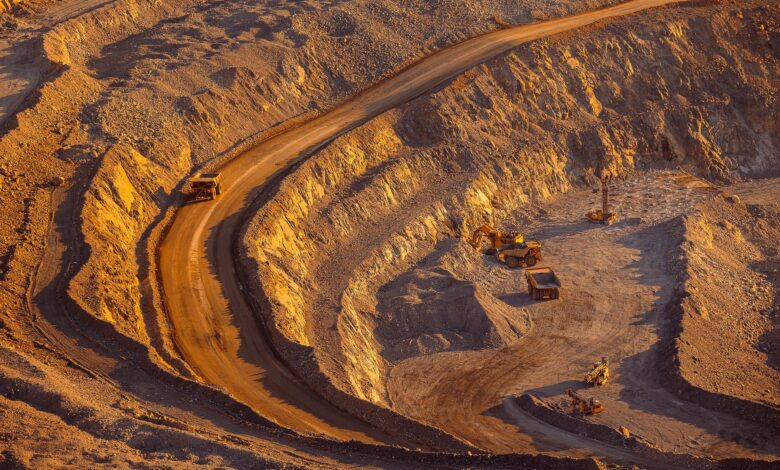
Heading Burkina Faso With rapid steps towards imposing greater control over the gold sector, one of the most important economic sectors in the country, in a move that reflects the rising wave of “economic sovereignty” within the African continent.
The military government led by Ibrahim Traore is seeking to reduce foreign influence in an industry valued at around $7 billion, while expanding state and local company ownership of strategic mines.
Increasing local control over gold mines
Over the past three years, authorities in Burkina Faso have extensively restructured the mining sector, after foreign companies had been the main players in gold extraction and profit generation for decades.

According to reports specializing in mining affairs, 6 out of 15 active industrial gold mines in the country are majority-owned by Burkinabe companies, while 3 mines are under direct state control through the state-owned mining company “Supamip”.
These transformations are seen as a clear break with the traditional model that relied on the dominance of multinational corporations, especially with the growing demands from the African public for the revenues from natural resources to be kept within the producing countries.
Ibrahim Traoré raises the slogan of “economic sovereignty”
Since coming to power, President Ibrahim Traoré has made natural resources a central focus of his political and economic discourse. During the inauguration of the national gold refinery project in 2023, he affirmed that his country aimed to "extract gold itself," a direct message underscoring the government's desire to build a fully integrated national mining industry.
Local investors have also emerged strongly in recent times, including businessman Inosa Kanazwe, whose group, Soleil Resources International, has acquired a number of important mines, indicating the growing role of national capital within the sector.
Africa is moving towards resource nationalism
This policy is not limited to Burkina Faso alone, but reflects a broader trend within Africa towards strengthening national control over strategic resources, especially gold and rare minerals.
These moves come amid escalating global geopolitical competition, as well as African governments seeking to use mining revenues to finance infrastructure, manufacturing and economic development projects.
Observers believe that Burkina Faso's success in this area may encourage other African countries to reconsider their old mining contracts, thus ensuring a larger share for the countries of their natural resources.