For cultural reasons, Ebola kills women and spares men.
Cause of Ebola outbreak among women
Written by: Ayman Ragab
With the new outbreak of the virus Ebola In the Democratic Republic of Congo and Uganda since the spring of 2026, one inescapable observation stands out: women represent a higher proportion of victims, not for biological reasons, but due to deeply rooted social and cultural factors.
During the 2018-2019 Ebola outbreak in the Democratic Republic of Congo, women and girls accounted for nearly two-thirds of the recorded cases, according to UN Women.
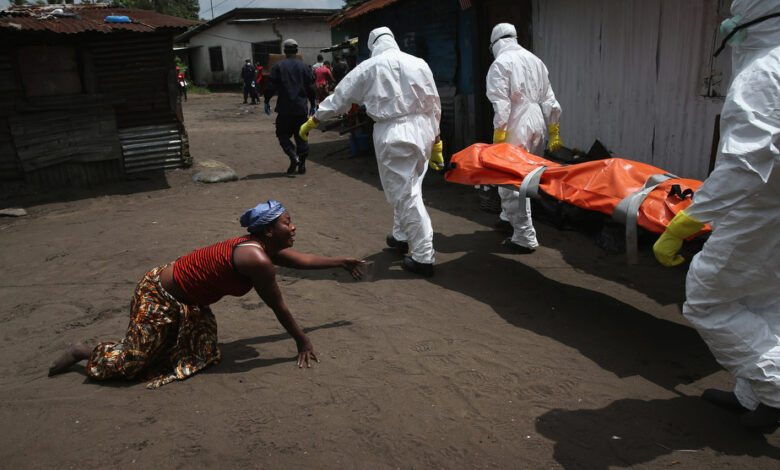
In 2014, in West Africa, they accounted for up to three-quarters of Ebola-related deaths in some communities in Liberia.
Ebola outbreak
Likewise in Uganda during the period 2000-2001, the number of infected women exceeded the number of men throughout the epidemic period, and in Sudan in 1979, the percentage of infected women reached 69%.
Today, history threatens to repeat itself.
“We will certainly see the same pattern emerge during this pandemic in the Democratic Republic of Congo and Uganda, which comes at a time when the Democratic Republic of Congo is already facing a serious humanitarian crisis and enormous pressure on health services,“ said Sofia Kaltorp, Chief of Humanitarian Affairs at UN Women, on May 22, 2026 in Geneva.
Social roles that reveal more
Jack Kanko, an epidemiologist at the Kinshasa School of Public Health, told TV5MONDE that the high death rate among women due to Ebola ”is not due to biological factors, but to social and cultural factors.“.
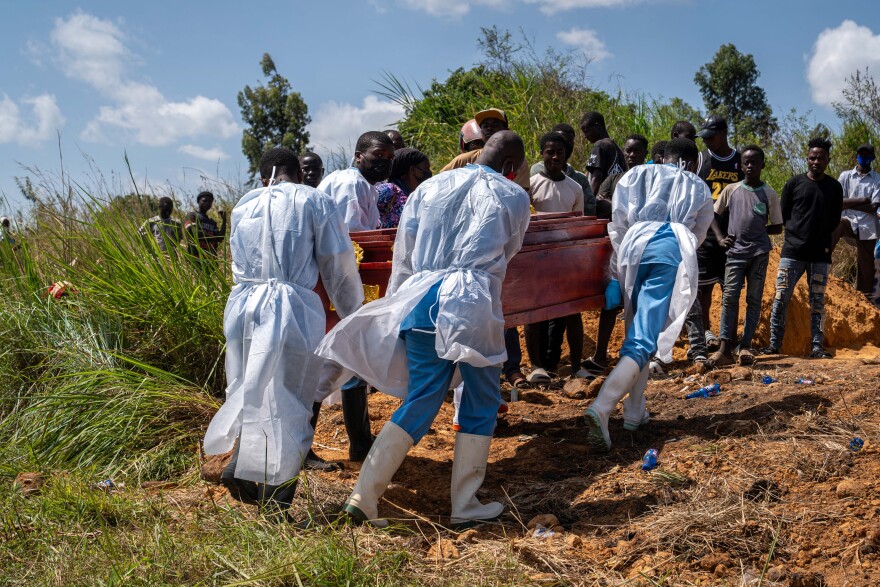
He adds: “Women are often the ones who provide care for patients, help in homes, accompany relatives to health facilities, and participate in funeral arrangements. This proximity to patients is what may increase their risk of infection.” .
Continuous friction
This reality is documented in all affected areas. Women make up the majority of nursing staff, hospital cleaners, and traditional midwives. They are also the ones who prepare and serve food to patients, wash their clothes, and care for them at home. When a family member dies, a woman (aunt or grandmother) usually takes charge of preparing the body for the funeral.
The Lancet journal and health authorities have linked this practice to an increased risk of infection.
“When a member of the community falls ill, whether it is a family member or another close friend, it is the woman who comes to help him. She is the one who bathes him, feeds him, washes his dirty clothes, and does everything else,” Farha Elizabeth, director of the Cariboni wa Maman Gynecology and Obstetrics Clinic, confirmed on Africanews.fr.
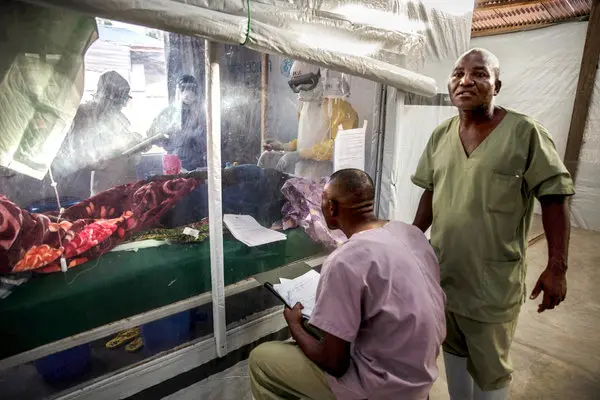
Pregnant women are more susceptible to infection due to their contact with health facilities, and according to the World Health Organization, two of the three largest Ebola outbreaks have been linked to transmission of the virus in maternity wards.
Key actors in the response
However, amid this grim picture, epidemiologist Jack Canco is keen to highlight the other side of the story: ”We must emphasize that women are also key players in the response. They play a crucial role in raising community awareness and in identifying symptoms.”
This paradox lies at the heart of the health response: women are both the most vulnerable to infection and the most effective at containing the spread of the disease. In previous epidemics, in Sierra Leone and Liberia, women's networks (from traditional leaders to grandmothers and community associations) were mobilized to educate communities, identify suspected cases, and break chains of transmission.
In light of this recurring situation, UN Women calls for sustainable funding for women-led organizations, strengthening primary health care, and increasing women’s participation in decision-making bodies involved in the response.
Furthermore, quarantine measures imposed during health crises may exacerbate gender-based violence. This is an additional risk that authorities must address.