133 Years Old | From Sheep Farm to Global Wine Brand: A South African Family's Success Story
A sheep farm becomes a famous wine brand
Written by: Ayman Ragab
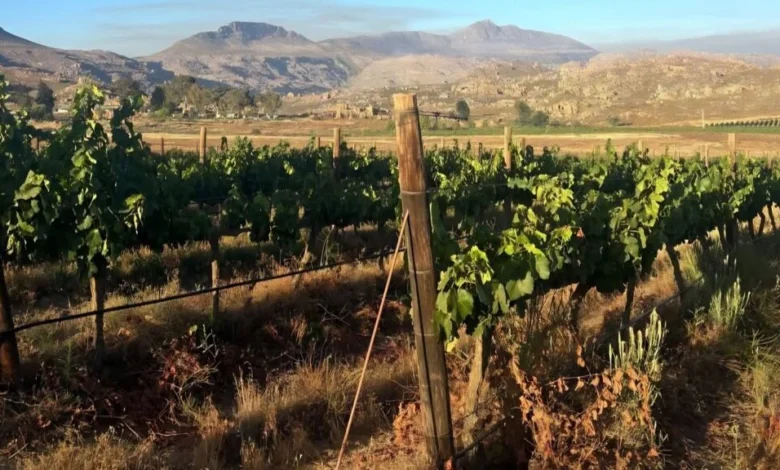
A small, 133-year-old family sheep and tobacco farm in the Cederberg Mountains of South Africa has been transformed into one of the world’s most famous wine brands, after the Newfoodt family successfully developed their agricultural business across successive generations to establish the globally renowned «Cederberg Wines» brand.
From the early eighteenth century
The Newfodt family's roots in South Africa go back to the early 18th century, before their descendants moved to the Cederberg area in 1767.
In 1893, the current branch of the family settled on the «Duarsriver» farm, which has seen the work and residence of six successive generations to this day.
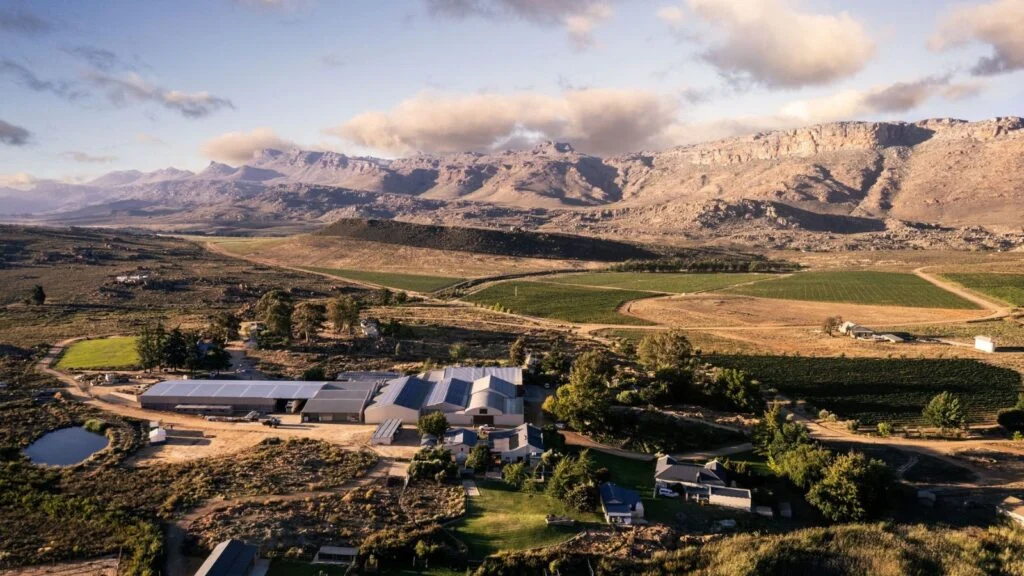
The farm, which spans 5,500 hectares within the Sederberg wilderness, is located in one of the most isolated areas, while the areas planted with grapes do not exceed about 74 hectares.
An impossible idea
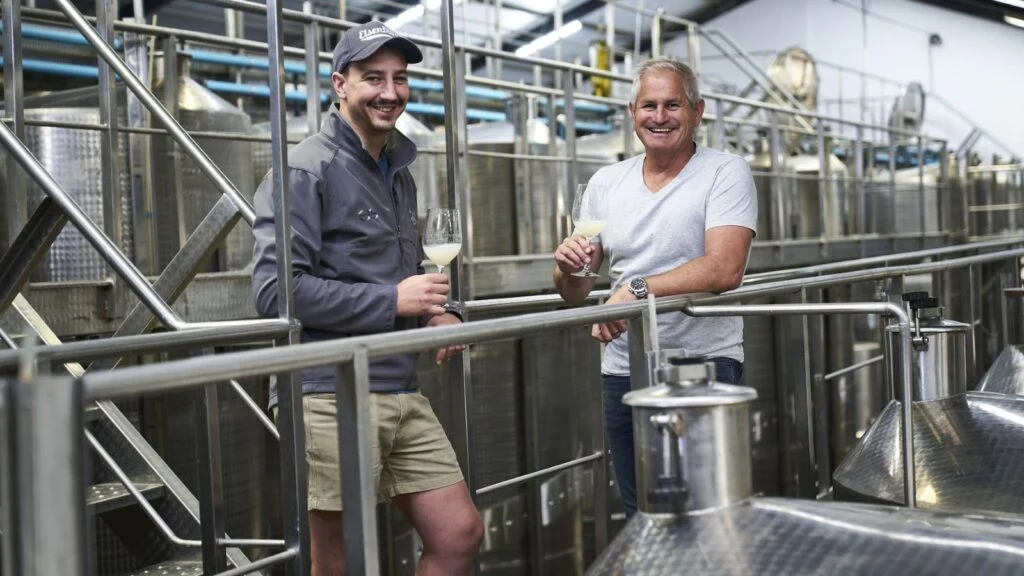
David Neuvaudt, the current owner and winemaker, said that the idea of growing grapes in that area initially seemed impossible due to its remote nature, explaining that the family had relied for decades on sheep farming and tobacco cultivation.
During the 1950s, the family began to diversify its agricultural activity by growing fruit, after discovering that the high altitude of the region and the cold winter provided ideal conditions for producing apples and pears.
Temperature differences
The farm is located at an altitude of approximately 1,100 meters above sea level, which gives it significant differences between daytime and nighttime temperatures, factors that later contributed to the production of high-quality wines.
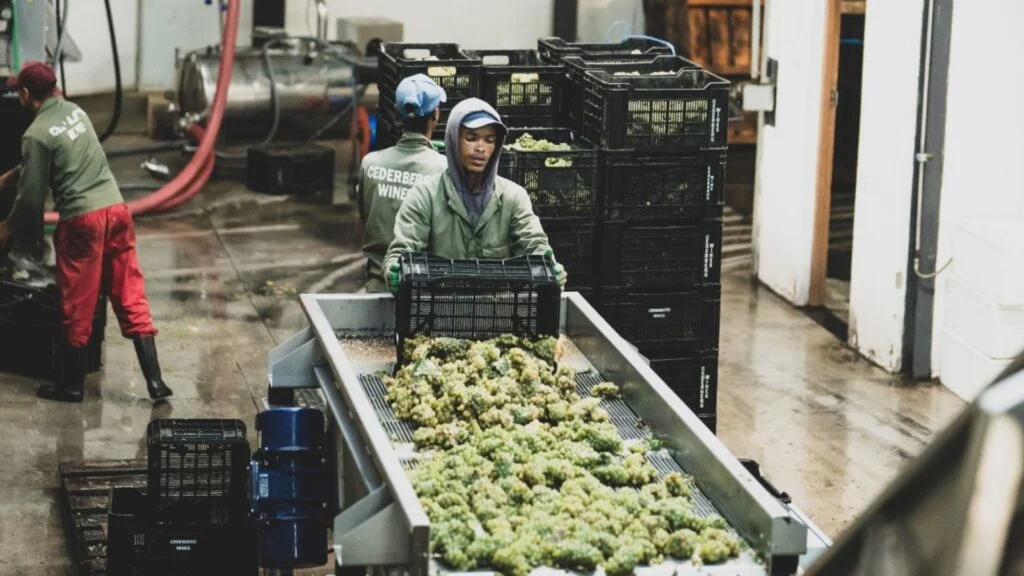
The idea of growing grapes came about almost spontaneously, after one of the farm workers suggested trying to grow table grapes as a result of the fruit's successful growth in the area.
Indeed, the first vineyards intended for eating grapes were planted in 1965, before the cultivation of grapes used in winemaking began in 1973.
Despite many people doubting the success of the experiment at the time, the following years proved the project's success, with the first production of red wine in 1977 being described as having superior standards, despite the limited quantities produced.
Global company
For many years, wine production was part of the family's diversified agricultural activity, along with growing fruit, vegetables, tobacco, and raising livestock, before the project underwent a radical transformation during the 1990s with the opening of global markets following the lifting of sanctions on South Africa.
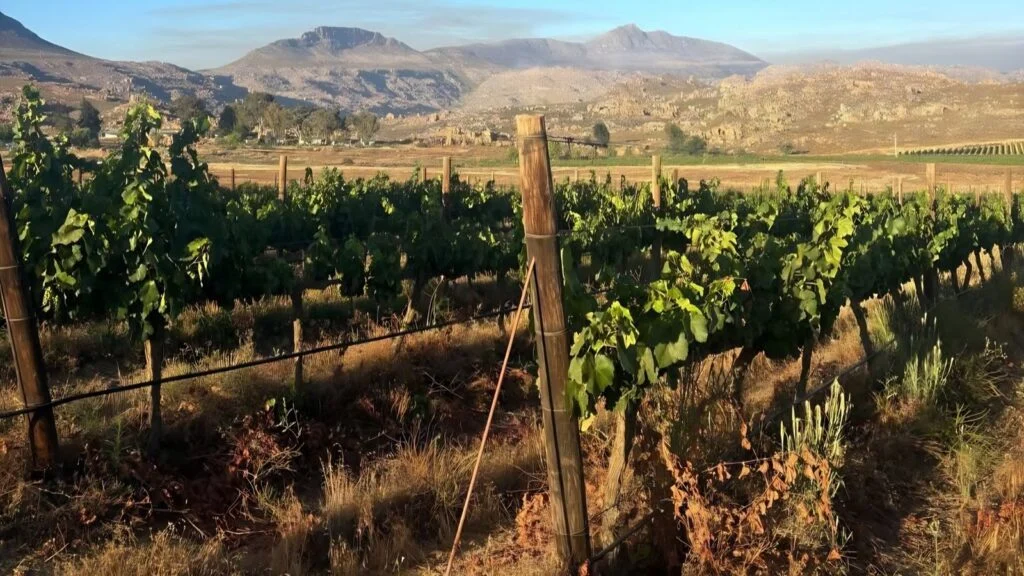
In 1996, David Neuvaudt returned to the farm after studying viticulture and winemaking and working at a local winery, before officially taking over the management of winemaking operations in 1997, beginning a new phase that focused entirely on developing the vineyards and transforming the farm into one of the world’s leading winemakers.