SITA Report 2026: Africa Records Highest Rate of Lost Luggage at Airports Worldwide
African airports
Written by: Ayman Ragab
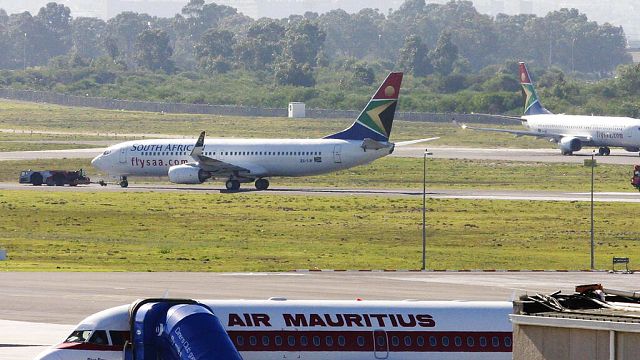
The SITA 2026 Baggage Information Technology Report revealed that Africa has the highest rate of lost and mishandled baggage in the world, at 12.1 bags per 1,000 passengers, an indicator that reflects the continuing challenges related to airport infrastructure, the complexities of international travel, and the weak digital integration in the continent’s air transport system.
The report explained that this rate exceeds all other regions included in the study, despite the progress made by the aviation industry globally in using digital solutions to reduce operational problems and improve the passenger experience.
The report argues that poor baggage handling not only reflects the quality of services, but also indicates the extent of integration of technological systems within airports and supply chains, as lost or delayed baggage leads to increased processing times, higher operating costs, and a decline in passenger confidence in airlines.
Performance indicators in Africa
According to the report, the average cost of a mishandled bag in Africa is about $240, compared to a global average of $260. Despite the low cost per bag, the high number of accidents doubles the operational burden on airlines.
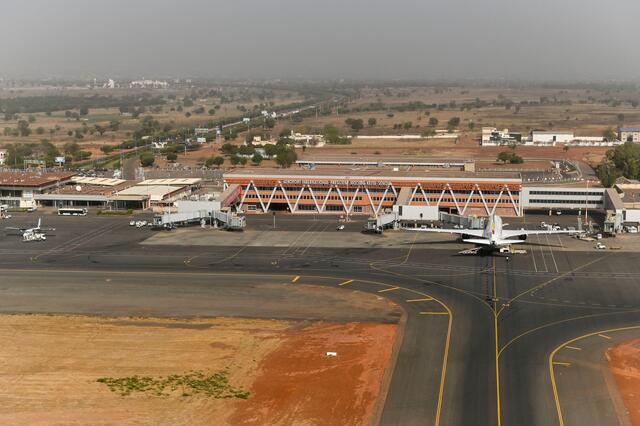
The report indicated that international flights represent the environment most prone to baggage problems, due to the multiplicity of connecting flights, the overlapping of handling authorities, and the short transfer times between flights.
Globally, the rate of poor baggage handling is 1.65 bags per 1,000 passengers on domestic flights, compared to 9.12 bags on international flights, reflecting the significant impact of logistical complexities on operational efficiency.
The report confirmed that Africa, along with Europe and North America, is among the regions most affected by baggage problems on international flights, due to factors including outdated infrastructure, limited capacity, and poor coordination between airlines, airports, and ground handling companies.
Economic cost exceeding the value of compensation
The report explained that the lower average cost of a lost bag in Africa does not mean a lower economic impact, as each case requires search, tracking, rerouting, and potential compensation, which places additional burdens on the human and technical resources of airlines.
He pointed out that the increasing frequency of operational accidents leads to higher overall costs, making improved baggage management efficiency a key element in enhancing the competitiveness of air carriers and improving customer experience.
Data and artificial intelligence are the key to the solution.
The report argues that the main problem lies not in the lack of data, but in the weak exchange of data between the various entities operating within the airport system.
He stressed that the current challenge is to provide real-time information, allowing for the prediction of problems before they occur, rather than dealing with them after they happen.
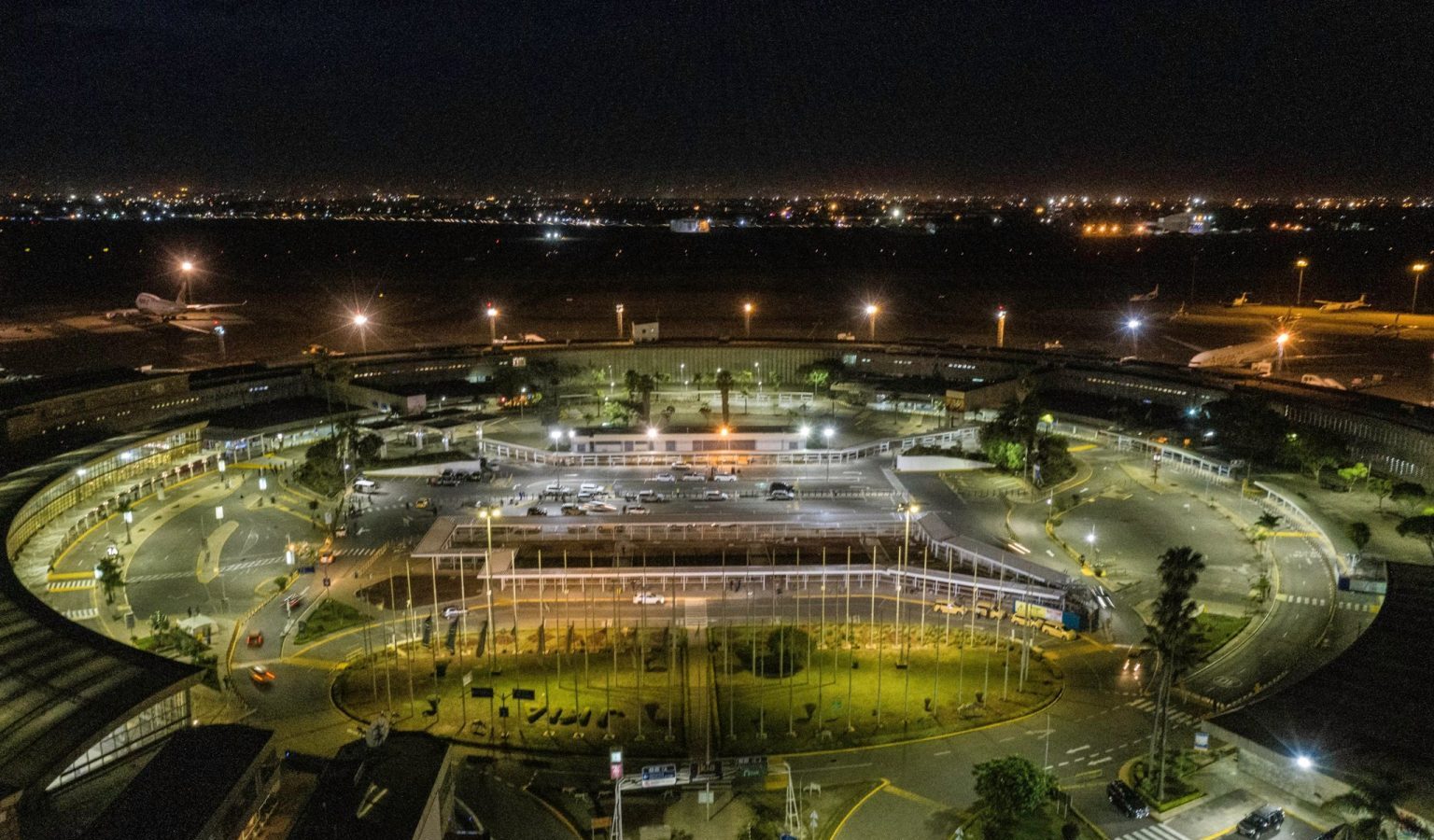
He pointed out that the use of artificial intelligence technologies, digital baggage tracking systems, process automation, and data exchange between airlines, airports, and service providers contributes to reducing the likelihood of lost baggage, improving flight management, and keeping travelers constantly informed about the status of their bags.
Comparison between regions
According to the report, Africa recorded the highest rate of poor baggage handling at 12.1 bags per 1,000 passengers, followed by Europe at 10.5 bags, then North America at 5.6 bags, and the Middle East at 5.0 bags, while the Asia-Pacific region recorded the best performance at a rate of 3.41 bags per 1,000 passengers.
As for the average cost of a single bag, it was $240 in Africa, $295 in both Europe and North America, $280 in the Middle East, $210 in Asia Pacific, and $290 in South America.
The report concludes that improving the performance of the aviation sector in Africa depends more on accelerating digital transformation and connecting all parties in the air transport system in a unified information network, than on expanding infrastructure alone, stressing that increased data transparency and exchange is the most influential factor in reducing baggage loss rates and enhancing operational efficiency.