Figures who shaped Africa's history: Leaders and thinkers who spearheaded the liberation and unity movement.
From Nkrumah to Mandela: African icons who changed the course of the continent
Written by: Badr Ahmed
During the twentieth century, the African continent witnessed the emergence of an elite of leaders, thinkers, and intellectuals who played pivotal roles in confronting colonialism, defending the right of African peoples to self-determination, and consolidating the idea of African unity.
Their influence was not limited to their countries, but extended to various parts of the continent, and even to the African diaspora around the world, where their ideas and positions formed a source of inspiration for liberation and independence movements.
George Padmore is considered one of the most prominent theorists of the modern African unity movement. He devoted his efforts to building a network of anti-colonial leaders, contributed to formulating the intellectual foundations upon which the Pan-African movement was based, and played an influential role in supporting a number of leaders who led their countries towards independence.
Figures who shaped Africa's history
In the same vein, Jamaican Marcus Garvey emerged as one of the most important voices advocating for pride in Black identity and unity among members of the African diaspora. Garvey called for economic independence and self-reliance, and became a symbol for liberation movements that saw in his messages a means to reclaim dignity and identity.
The late Ghanaian President Kwame Nkrumah is associated with one of the most significant achievements in the continent's history, having led Ghana to independence in 1957, making it the first sub-Saharan African nation to gain independence from colonial rule. His role extended beyond Ghana's borders; he became a leading advocate for a unified Africa, believing that the independence of individual nations would only be complete with the continent's political and economic integration.
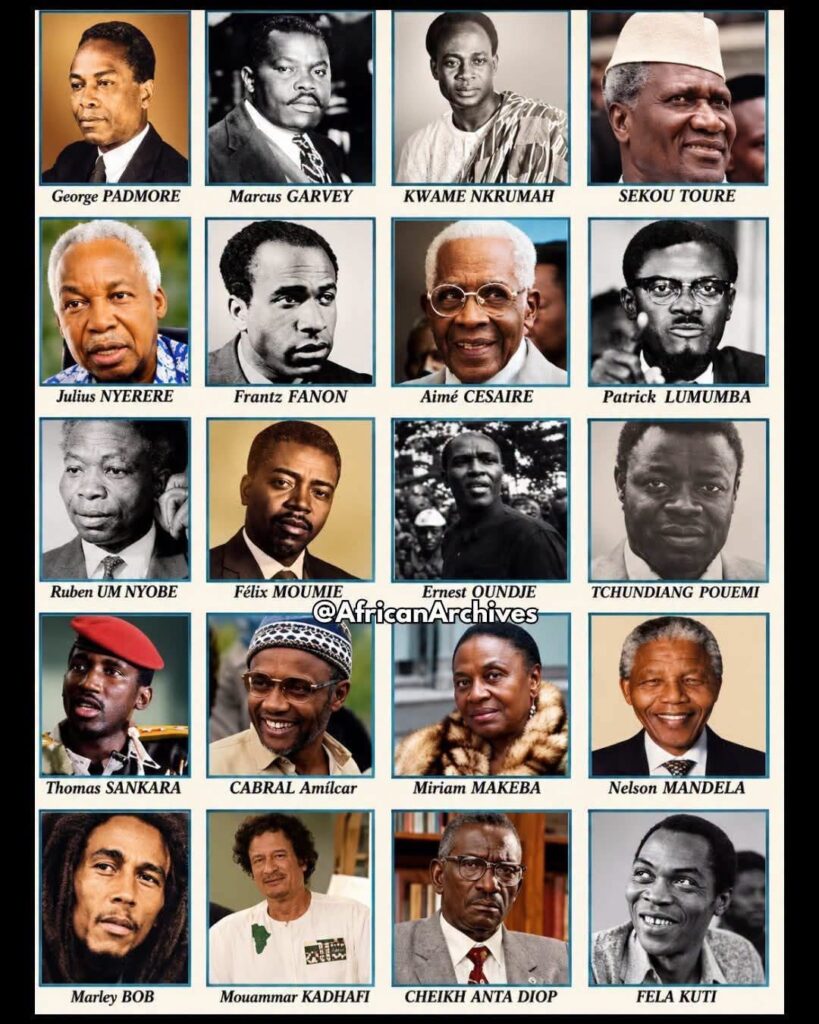
Leaders, thinkers, and artists who led the battle for liberation and unity
In Guinea, President Ahmed Sékou Touré rejected continued French domination and chose full independence despite significant political and economic pressures, becoming a model for upholding national sovereignty in the face of colonial powers.
The name of Tanzanian President Julius Nyerere was also associated with the Ujama philosophy, which sought to build an African model of development based on community cooperation and social justice, with an emphasis on education and national unity as the two pillars for building a modern state.
Among the most prominent thinkers who have left a global impact is the physician and thinker Frantz Fanon, who addressed in his writings the psychological and political effects of colonialism, and defended the right of colonized peoples to liberation, so that his writings became a fundamental reference in post-colonial studies and national liberation movements.
The Martinican poet and thinker Aimé Césaire contributed to establishing the concept of Negritude, which called for pride in African culture and identity in the face of attempts to obliterate it during the colonial era, a trend that left a wide impact on African literature and thought.
In Congo, Patrice Lumumba became a symbol of the national struggle after leading the country towards independence, before he was assassinated in circumstances that sparked widespread controversy, so his name remains associated with resisting foreign interventions and defending national sovereignty.
Cameroon also witnessed the emergence of a number of resistance leaders, including Reuben Om Nyubé, Felix Momi, Ernest Wandi, and Chundjang Buemi, who waged political and military battles for independence and continued to demand economic sovereignty after the end of colonial rule.
In Burkina Faso, the late President Thomas Sankara cemented his status as one of the most prominent figures of modern Africa, after launching a reform program based on self-sufficiency, women's empowerment, environmental protection, and fighting corruption, policies that earned him an exceptional status within and outside the continent.
Leader Amílcar Cabral also played a pivotal role in leading Guinea-Bissau and Cape Verde’s struggle against Portuguese colonialism, stressing that true liberation is not achieved by weapons alone, but also requires education and building national consciousness.
The liberation struggle was not limited to politicians and intellectuals, but artists also participated in it. South African singer Miriam Makeba used her voice to raise awareness of the crimes of the apartheid regime, and became a global ambassador for the South African cause.
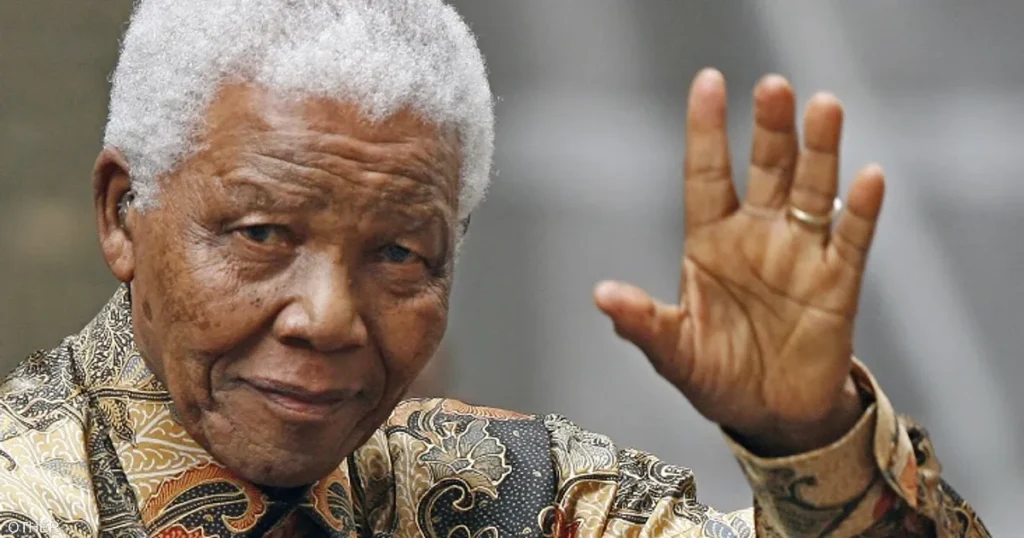
Nelson Mandela remains one of the world's most prominent symbols of freedom, having spent 27 years in prison before leading South Africa towards ending apartheid and establishing a new era based on national reconciliation and democracy.
In the artistic field, reggae music legend Bob Marley carried messages of freedom, unity, and justice to millions of people, and made music a means to support the causes of Africa and its people.
As for the Senegalese historian and researcher Cheikh Anta Diop, he brought about a major shift in the study of African history, by re-reading ancient civilizations and highlighting the historical role of the continent in shaping human civilization, challenging the narratives that marginalized Africa for decades.
In Nigeria, musician Fela Kuti used his art to confront corruption and tyranny, and made his songs a platform for political criticism and defending citizens' rights, becoming one of the most prominent symbols of cultural resistance in Africa.
Despite their diverse fields of work—politics, thought, literature, and art—these figures shared a common goal: defending the dignity of the African people and upholding the values of freedom, independence, and unity. Their ideas and legacy remain present in political and cultural discussions across the continent, as they are among the most prominent figures who contributed to shaping modern Africa and charting its course toward liberation and development.