Serengeti National Park: The most famous nature reserve in the world | Report
Serengeti National Park
Written by: Mohamed Abdellah
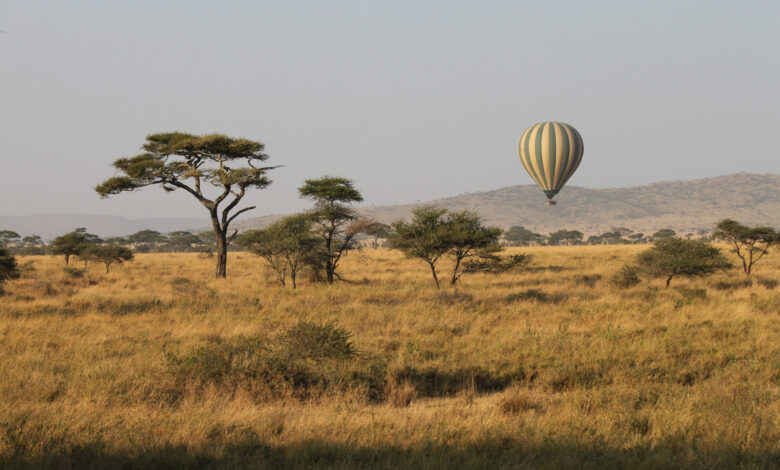
Serengeti National Park is one of the most famous nature reserves in the world, and is considered one of the most prominent World Heritage sites, teeming with wildlife.
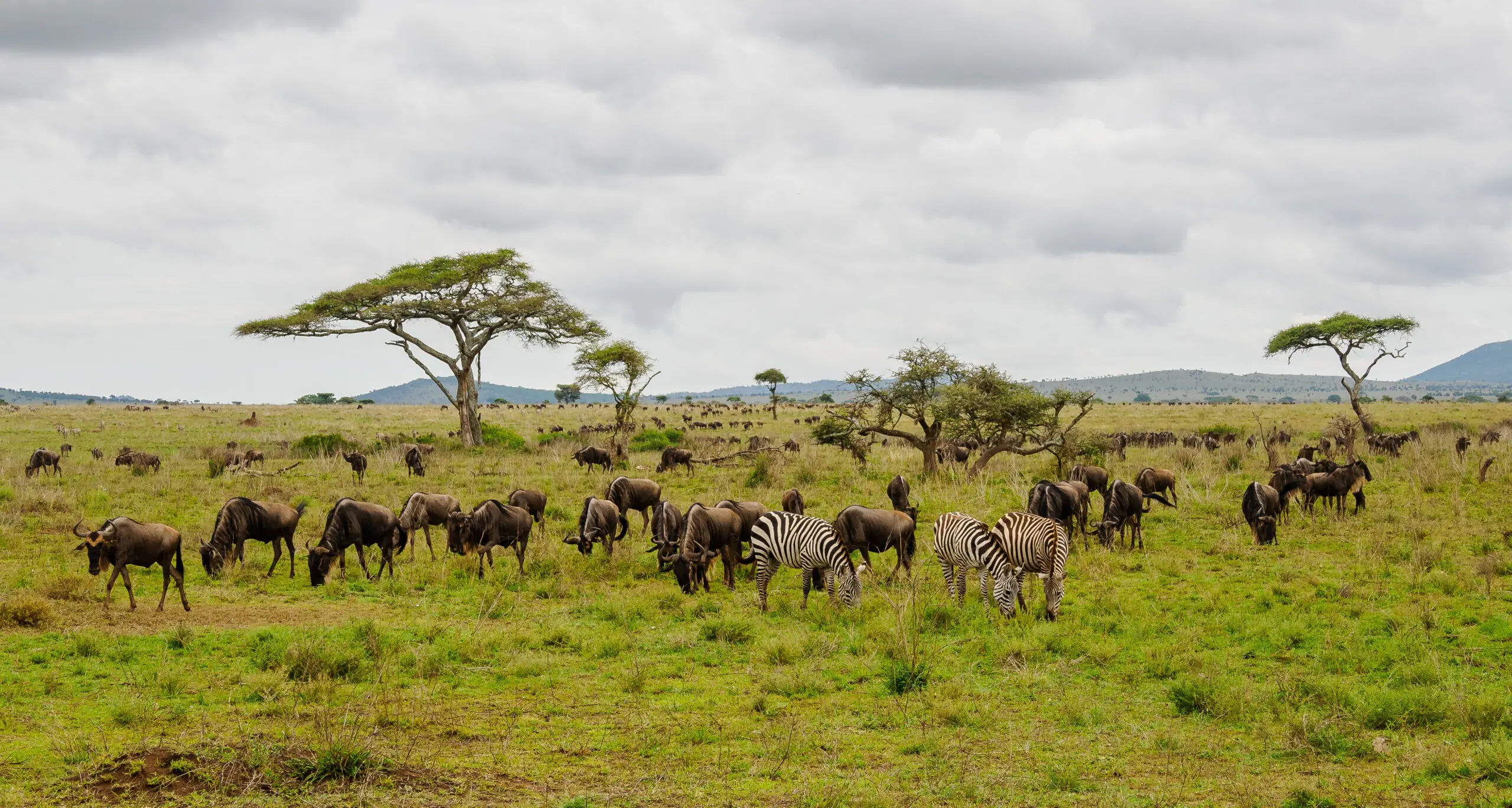
The Serengeti National Park is home to more than two million ungulates, 4,000 lions, 1,000 tigers, 550 leopards, and about 500 species of birds, inhabiting an area of approximately 15,000 square kilometers.
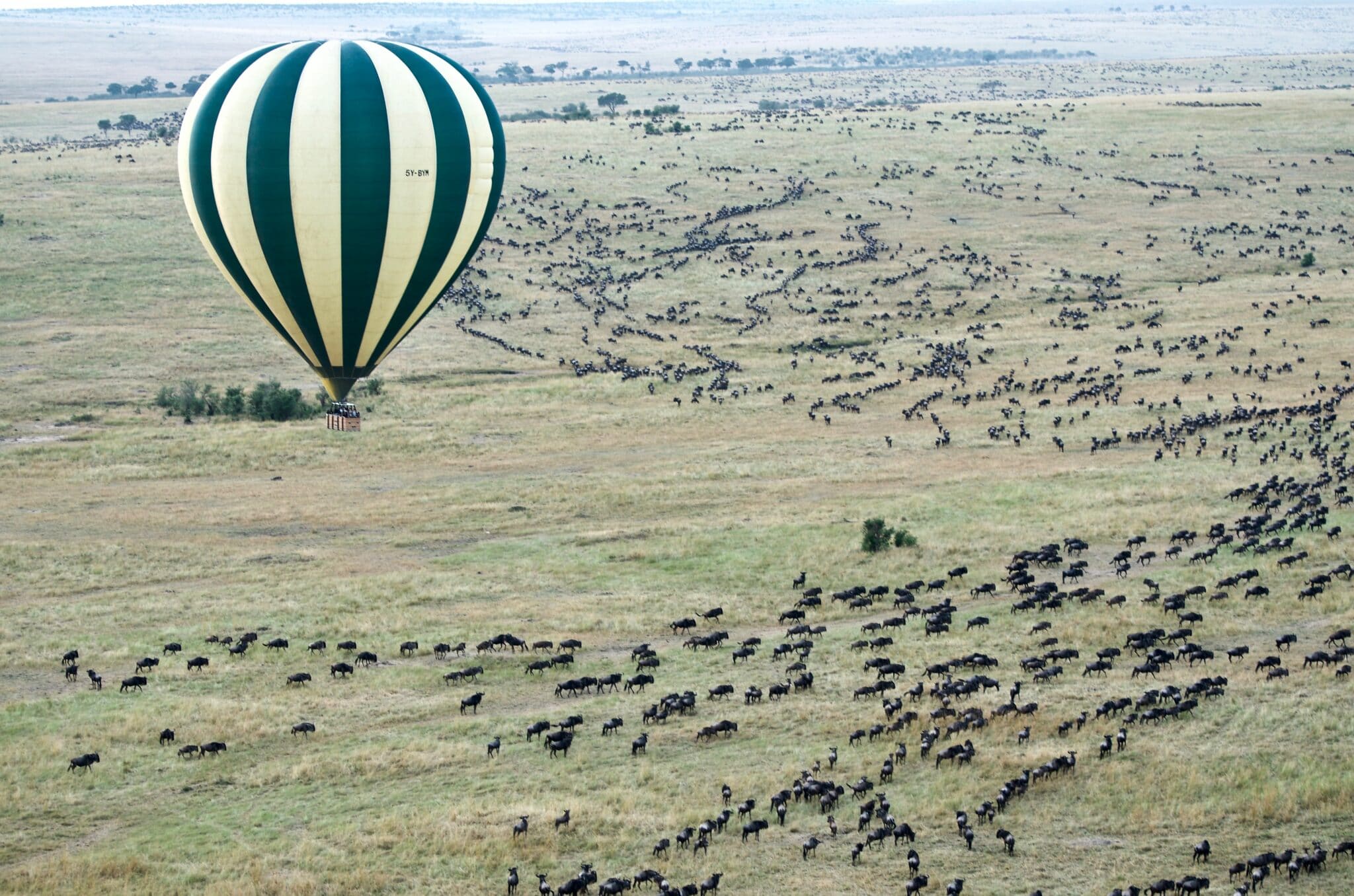
Serengeti National Park, one of the most famous nature reserves in the world
Serengeti National Park is teeming with exceptional wildlife that rivals major sporting events in its splendor, so it is no wonder that this region is a national treasure for Tanzania, the East African country bordering Kenya, given its unique tourist environment.
The park is world-renowned for the Great Migration phenomenon, which witnesses the movement of millions of wild animals and transforms these scenes into extraordinary sights. This site is of great importance to the region's heritage and is world-famous not only for its natural wonders, but also for its luxurious hotel facilities and unique safari experiences that attract visitors from all over the world.
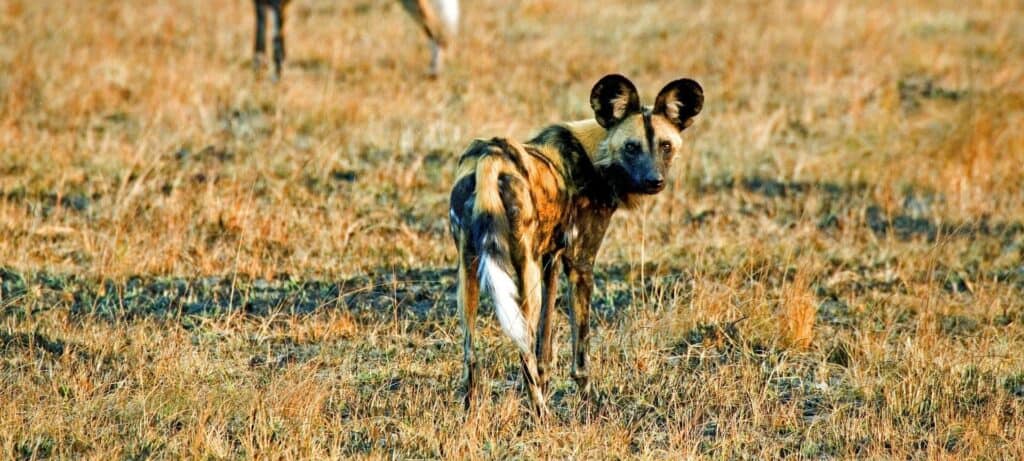
Serengeti National Park is one of the Seven Wonders of Africa.
The Serengeti stands proudly among the Seven Natural Wonders of Africa, sharing this honor with Egypt’s majestic Nile River, the vast Sahara Desert that stretches across 11 countries, and Botswana’s tranquil Okavango Delta. This designation highlights the park’s unique natural beauty and ecological importance, attracting visitors from all over the world to witness its stunning landscapes and diverse ecosystems.
The entrance fees to the Serengeti National Park are very reasonable, especially considering its global status, with non-resident adults (16 years and over) paying US$71.80, children aged 5 to 16 and students paying US$20, and infants under the age of five entering for free.
These fees are among the most reasonable for a national park of this caliber in East Africa, making the Serengeti accessible to a wide range of travelers.
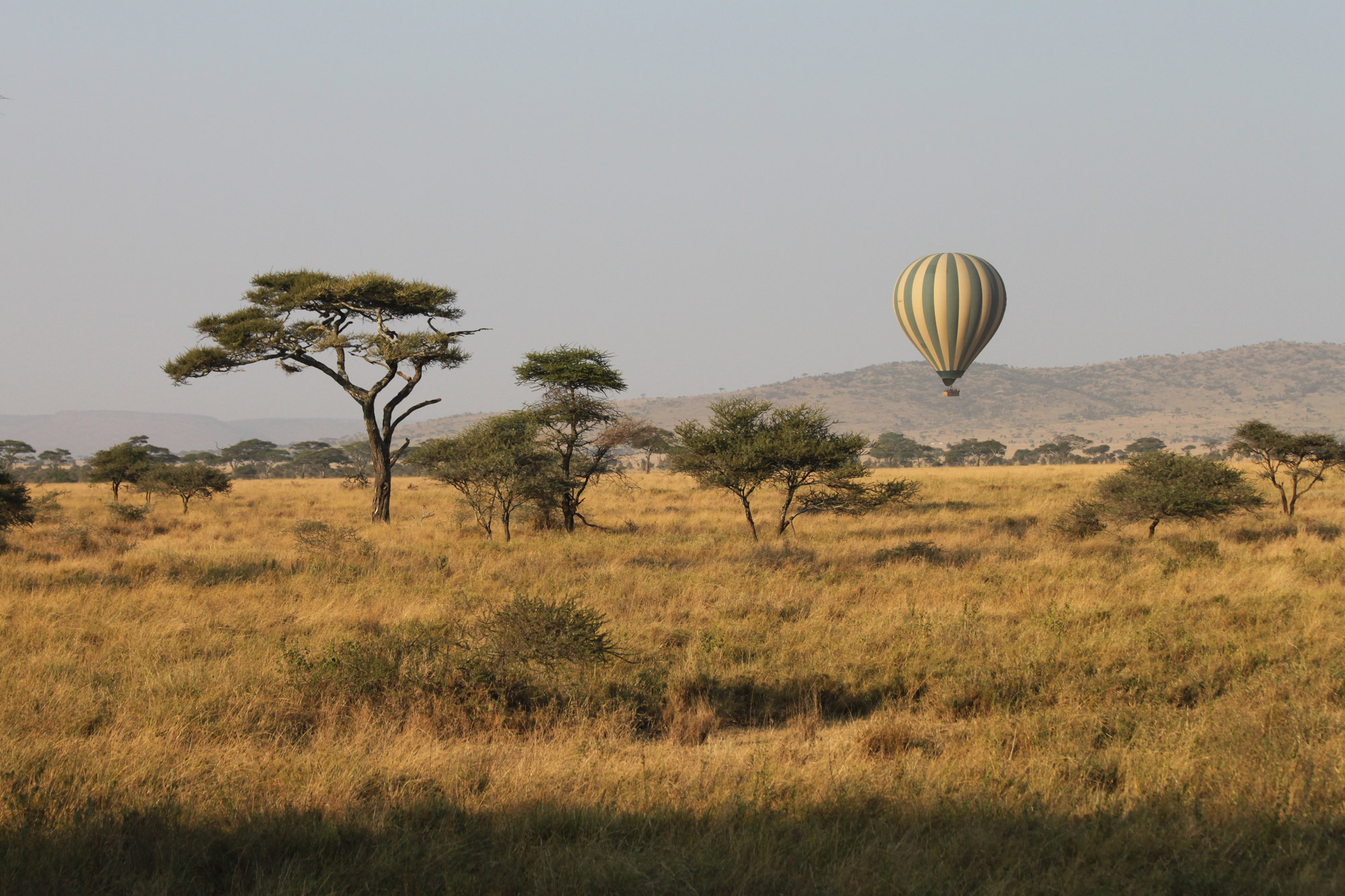
What is the best time to visit?
Although the Serengeti plains welcome visitors year-round, each season offers a unique experience. The rainy season, which typically runs from April to May, is characterized by stunning scenery but also by challenging conditions. The dry months offer better opportunities to observe wildlife, with the annual wildebeest migration being one of its highlights.
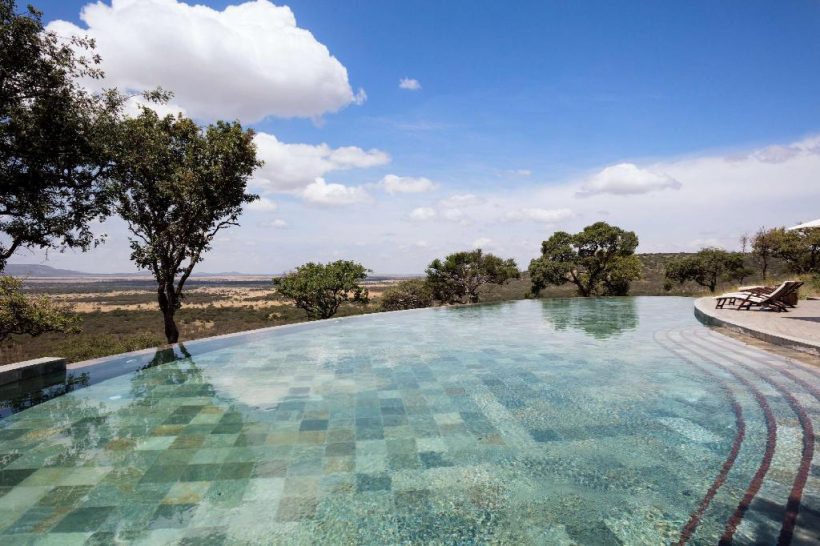
Luxury accommodation in a luxury lodge in the heart of the jungle
The Serengeti plains boast a diverse range of luxury accommodations, from sumptuous jungle lodges to luxury camping sites. The park caters to the refined tastes of discerning travelers, offering the perfect blend of comfort and immersion in the wild, ensuring an unforgettable stay in one of the world’s most renowned wildlife reserves.
The Serengeti ecosystem, one of the oldest on Earth, offers a glimpse into a prehistoric world that has remained virtually unchanged. With a history spanning over a million years, its weather patterns, plants, and animals have remained largely intact, providing valuable insights into early ecosystems. This ancient landscape serves as a living laboratory for scientists and a fascinating window into the past for visitors.
Serengeti: A Mosaic of Cultural Heritage
The Serengeti is a mosaic of rich cultural heritage. It is the ancestral land of the Maasai people, where visitors have a unique opportunity to interact with the Maasai, learn about their close connection to nature and their traditional practices. The Swahili culture prevalent in Tanzania enriches the visitor's experience, and the journey through the Serengeti plains includes immersive experiences such as tasting local Swahili cuisine and understanding their customs.
Environmental conservation initiatives in the Serengeti are of paramount importance in preserving this unique ecosystem, with local and international organizations focusing on protecting the diverse species within the reserve, combating poaching, and ensuring sustainable tourism practices in order to preserve the heritage and provide a safe environment for the animals within it.
The Serengeti is a mosaic of rich cultural heritage, where the Swahili culture prevalent in Tanzania enriches the visitor's experience, and the journey through the Serengeti plains includes immersive experiences such as tasting local Swahili cuisine and understanding their customs.
The Serengeti is characterized by a diverse landscape that combines open grasslands, forests, rivers, and volcanic rocks, providing a suitable environment for thousands of species of animals, birds, and reptiles. It is home to more than 500 species of birds, allowing for a unique birdwatching safari experience. From the majestic fighter eagle to the bright purple-breasted bee-eater, birdwatchers can enjoy seeing some of the most unusual and rare bird species in Africa.