How is Rindorf Inc. seeking to transform Ghana into a global player in the aluminum industry?
Huge European investments support Ghana's shift towards manufacturing and local value addition.

Written by: Mohammed Omran
Reindorf Thomasi Ankerah is the chairman of the company Ghana The Integrated Aluminum Industry Development Company (GIADEC) is one of the most prominent strategic figures in Ghana’s new industrial policy, despite staying out of the spotlight.
On June 26, 2026, he oversaw the signing of an agreement with the Italian Danieli Group to establish an aluminum plant in the city of Tema with investments of 300 million euros. This project reflects a clear vision aimed at transforming Ghana, which is an exporter of bauxite ore, into a major player in the global aluminum supply chain.
Reindorf Tomasi Ankrah: The man seeking to redefine Ghana's place in the global aluminum supply chain
Reindorf Tomasi Ankrah is not a political leader in the traditional sense, but a technical expert who leads one of the most important strategic industrial structures in the country. He heads the Ghana Integrated Aluminum Industry Development Corporation (GIADEC), an organization established under the Ghana Integrated Aluminum Industry Development Corporation Act of 2018 (Act No. 976), to become the cornerstone of the state’s plan to transform the entire aluminum sector.
Huge European investments support Ghana's shift towards manufacturing and local value addition.
The company’s mission is to organize an integrated value chain starting from the extraction of bauxite ore in the areas of Owaso, Nyinahin and Kibei, up to the final industrial processing operations. According to GIADEC’s corporate information, the goal is to build “an integrated, competitive and sustainable aluminum industry in Ghana,” a vision that reflects the shift from the traditional model based on exporting unprocessed raw materials to a model based on local manufacturing.
A technocratic approach to manufacturing
In this context, Reindorf Thomasi-Ankrah embodies a technocratic approach to industrial leadership. He established his career in economic management, major infrastructure projects, and natural resource projects, with increasing specialization in extractive industries. He belongs to a generation of general managers whose role is no longer limited to organizing resources, but extends to transforming them into a lever for industrial development.
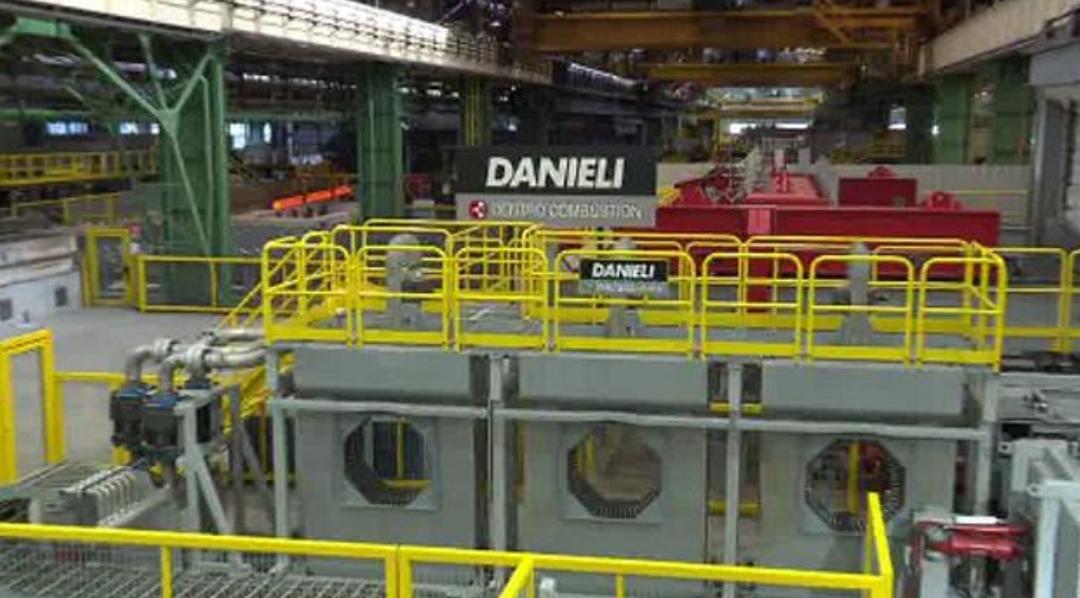
This trend is translated into practice through the agreement signed on June 26, 2026 between GIADEC and the Italian Danieli & Partners Officine Mecanique Group, which stipulates the establishment of an aluminum rolling mill in the industrial zone of the city of Thema, with investments estimated at around 300 million euros.
Official project documents, published by the Ghana Integrated Aluminum Industry Development Corporation (GIADEC), confirm that the agreement represents “a major step in Ghana’s industrial transformation strategy.” This wording reflects a radical shift in the country’s direction, as the focus is no longer limited to extracting raw materials, but has extended to the local production of high value-added goods.
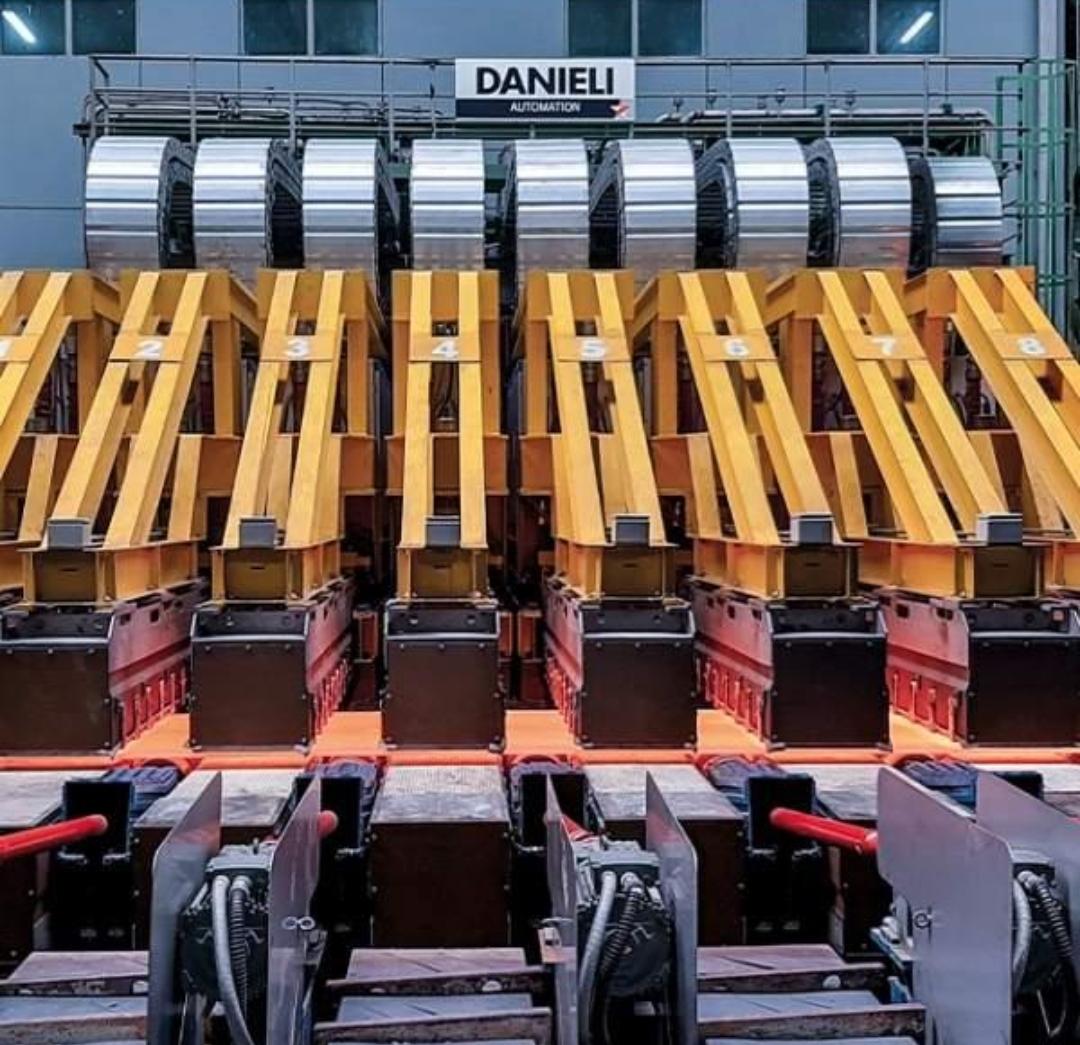
The project is expected to produce between 40,000 and 45,000 tons of aluminum foil annually, intended for the packaging, pharmaceutical, and manufacturing sectors. It also includes the establishment of an industrial training and innovation center, to serve as a platform for transferring skills and developing local competencies and expertise.
Reindorf Tomasi Ankrah emphasizes the need for Ghana to move from an economy dependent on exporting raw materials to one capable of transforming its natural resources into competitive industrial products, a vision that embodies the strategic direction of the Ghana Integrated Aluminum Industry Development Company (GIADEC) under his leadership.
This shift is particularly significant given Ghana's vast bauxite reserves, which have historically been underutilized in domestic manufacturing. GIADEC is also linked to key industrial assets, including Ghana Bauxite Company and Volta Aluminum Company (VALCO), which are crucial links in the value chain.
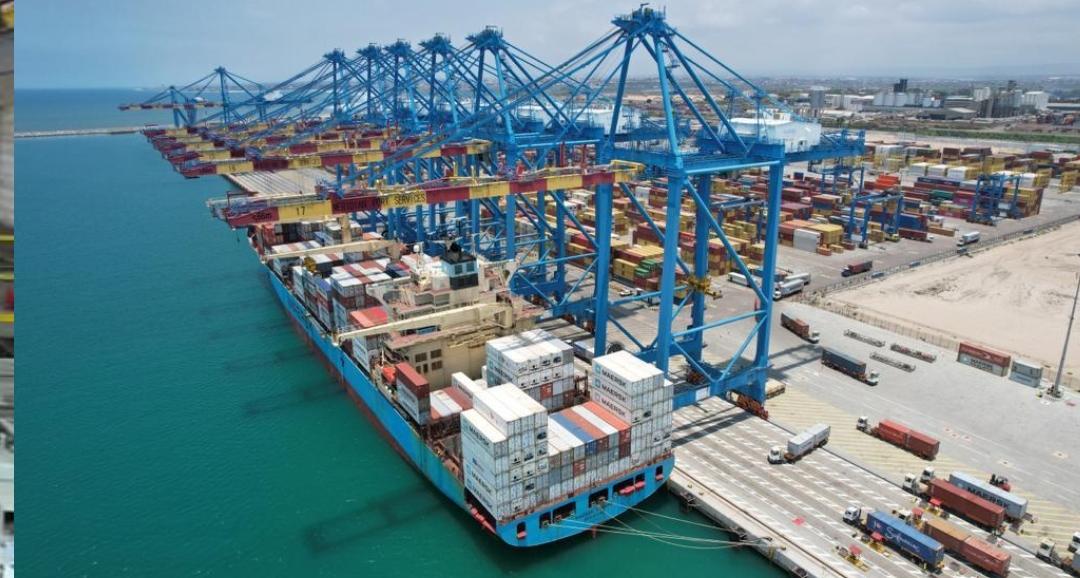
Choosing Tema as the location for the Daneli project is a strategic decision, given the region's integrated infrastructure for heavy industries, including ports, power grids, and logistics services, as well as its location which provides direct access to international markets, thus supporting the strategy of exporting manufactured products rather than raw materials.
For its part, the Danieli Group views the project as an opportunity to restructure industry in Ghana. In the official statements accompanying the signing of the agreement, the company confirmed that the goal is to “enable the transformation of natural resources into high value-added manufactured products,” reflecting a clear orientation towards industrial modernization.
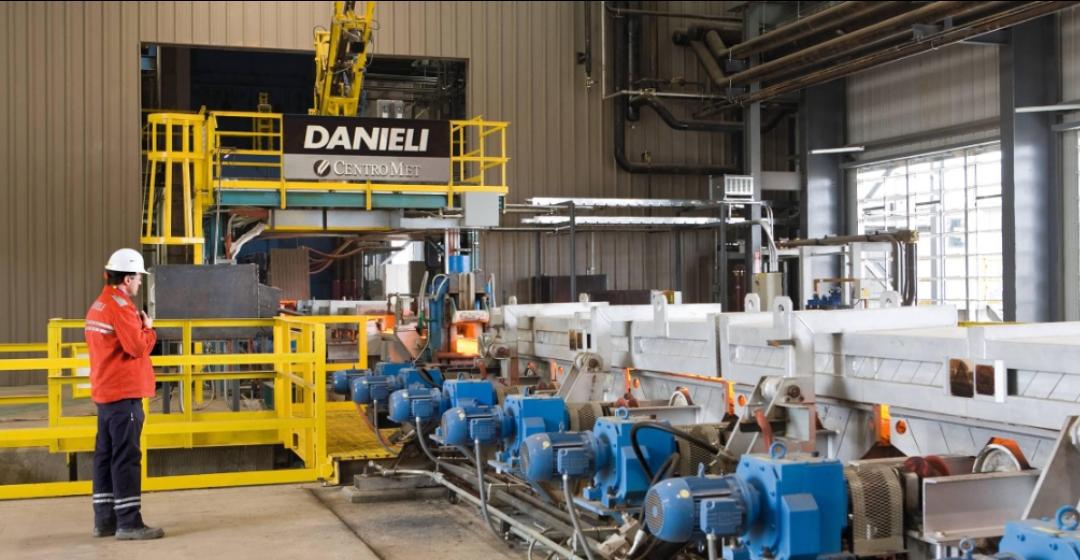
The project is not limited to creating industrial infrastructure, but is part of a broader strategy to restructure the Ghanaian economy, aimed at reducing dependence on raw material exports and enhancing the country’s share of added value within the global aluminum supply chain, making it an active industrial player rather than just a supplier of raw materials.
In this context, Reindorf Tomasi Ankrah stands out as an executor of the vision rather than a spokesperson for it, as his role is to transform political ambitions into tangible industrial projects, structure international partnerships, and organize the integration of mining assets within an integrated industrial system.
His actions reflect a growing trend in West Africa: the rise of highly skilled leaders seeking to transform natural resources into tools for enhancing economic sovereignty. Through his leadership of GIADEC, alongside the Daneli Agreement, Reindorf Tomasi Ankrah is contributing to Ghana's repositioning within global value chains, shifting it from a raw materials exporter to a producer of value-added manufactured goods.