In a move that could represent a historic shift in the course of justice and accountability in LiberiaPresident Joseph Nyuma Boakai Sr. submitted to Parliament two draft laws to establish a special court for war crimes and economic crimes, and another specializing in combating corruption.
Referral of the draft laws for the war crimes and corruption courts to Parliament
This initiative comes as part of a comprehensive reform program for the justice sector and the promotion of integrity and governance, in an attempt to address issues that have remained unresolved for years, and to open a new chapter in the country’s transitional justice process.
Bucaille presents landmark bills on war crimes and an anti-corruption court
President Joseph Nyuma Boakai Sr. formally submitted two historic legislative documents to the House of Representatives and the Senate, seeking to establish a war crimes and economic crimes court alongside a specialized national anti-corruption court, as part of what the executive branch described as a far-reaching reform of the justice sector, transitional accountability, and governance integrity program.
Boakai launches Liberia's biggest accountability drive with two bills to prosecute war crimes and corruption
The proposed bills were formally submitted to the esteemed House of Representatives by Speaker Richard Nagbe Con for legislative consideration, examination at the committee stage, and approval in plenary session in accordance with parliamentary procedures and constitutional lawmaking processes.
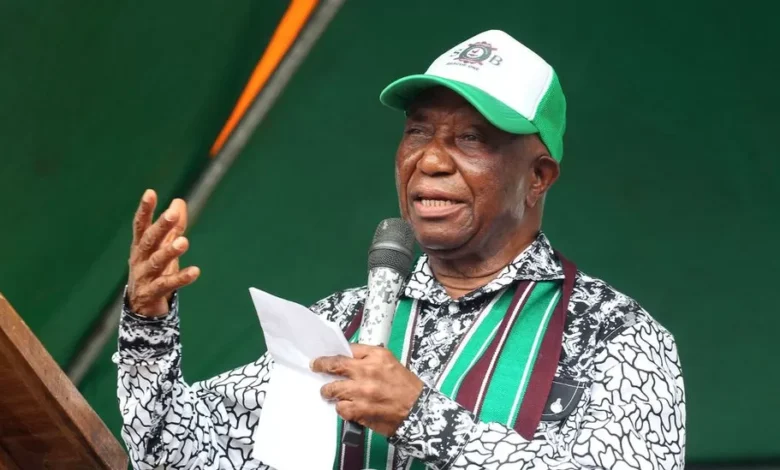
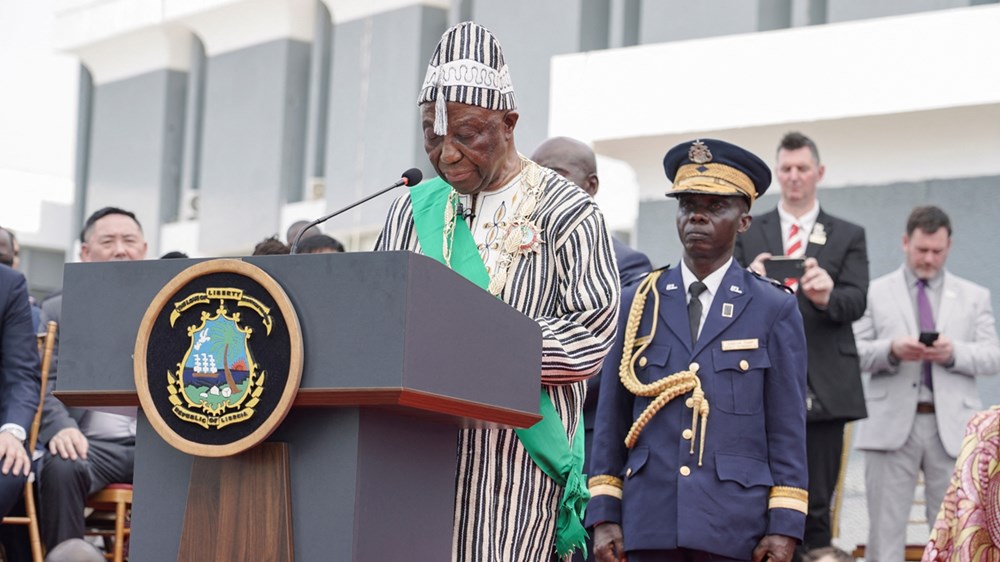
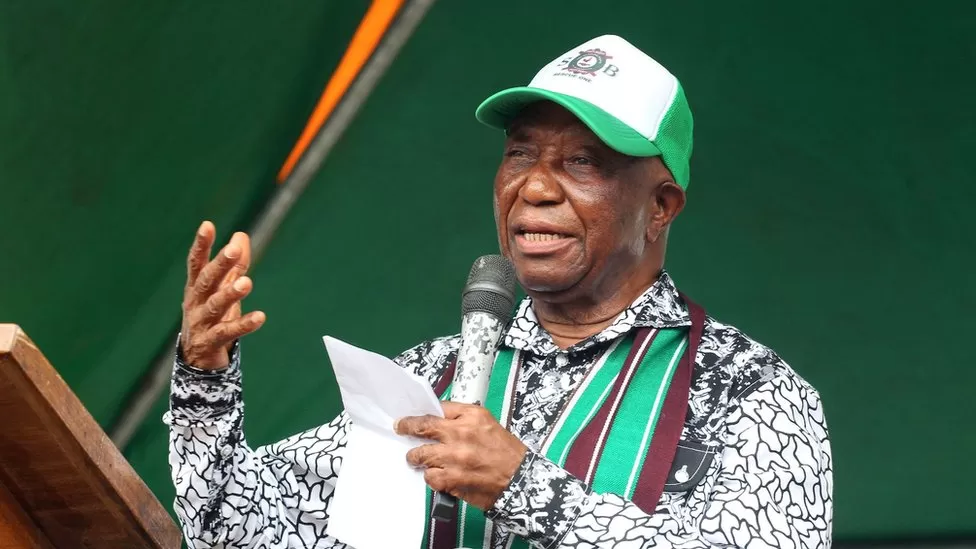
President Joseph Nyuma Boakai
Legislation to establish special courts for war crimes and corruption
The House of Representatives’ plenary session voted unanimously in favor of forming the joint committee concerned with the judiciary, good governance and finance, with the committee to submit its report to the plenary session within two days.
The adoption of the new Section 17(a) of the Liberia Amended Act is intended to establish a National Anti-Corruption Court, define corruption offenses, and determine the penalties thereof. In his official letter, President Boakai described the proposed legislation as “transformative justice instruments” aimed at promoting transitional justice, strengthening the rule of law, deepening democratic consolidation, and enhancing public sector accountability.
According to the executive authority, the reform package is based on Liberia’s constitutional framework, post-conflict peacebuilding commitments, and international legal obligations relating to human rights protection, accountability, and good governance.
The proposed War Crimes and Economic Crimes Court bill seeks to activate the long-standing recommendations of the Truth and Reconciliation Commission, stemming from the civil conflicts in Liberia that lasted from 1979 to 2003.
The bill provides for the establishment of a specialized hybrid court with jurisdiction over war crimes, crimes against humanity, gross violations of international humanitarian law, and conflict-related economic crimes, including large-scale resource exploitation and illicit enrichment during periods of armed conflict.
Justice sector experts point out that the proposed framework reflects the principles of transitional justice, including truth-seeking, reparations, institutional reform, and criminal accountability as essential pillars of reconciliation and community recovery after conflict.
The executive branch claims that the initiative aims to dismantle entrenched cultures of impunity, strengthen judicial accountability mechanisms, and establish the priority of the rule of law within the governance structure of post-war Liberia.
Anti-Corruption Court and Public Integrity Enforcement System
The second bill proposes the creation of a national anti-corruption court with exclusive jurisdiction over corruption and economic crimes, including abuse of power, procurement fraud, illicit enrichment, bribery, economic sabotage, and embezzlement of public resources.
The executive branch claims that the current judicial structures lack sufficient specialization and prosecuting competence to effectively adjudicate complex financial crimes and high-level corruption cases within a reasonable timeframe.
The proposed court was designed as a specialized judicial mechanism to enhance public financial accountability, strengthen deterrence, and promote institutional integrity throughout the public sector.
Referral to committees and legislative processing
At the same time, the House of Representatives' plenary session voted to refer both draft laws to a joint committee comprising the Judiciary, Good Governance, Methods and Means and Finance Committees to conduct a detailed legislative review and policy assessment.
The decision came after extensive and thorough deliberations, with lawmakers emphasizing the constitutional, financial, social, and institutional implications of establishing specialized judicial bodies within Liberia’s judicial system.
President Joseph Nyuma Boakai
The joint committee was tasked with conducting consultations with stakeholders, legal alignment reviews, financial impact assessments, institutional feasibility analysis, and submitting a report to the plenary session within two working days.
Sources on Capitol Hill indicate that the committee will examine issues of judicial independence, prosecutorial mandate, institutional design, financial sustainability, and compliance with constitutional due process guarantees before submitting its report for public discussion and possible enactment.
Social commentators also point out that the initiative has broader societal implications, particularly in promoting restorative justice, social cohesion and national reconciliation within communities still affected by the legacy of conflict and lack of governance.
The executive branch affirms that the reforms will strengthen the separation of powers, enhance the independence of the judiciary, and bring Liberia into line with international best practices in transitional justice, anti-corruption law enforcement, and democratic governance. In light of their constitutionality, historical necessity, and political importance, I request the esteemed Legislative Assembly to deliberate on and enact these laws in the service of peace, justice, and national renewal,” President Bokai stated.