After a long absence, Sudan is upgrading six slaughterhouses to regain its meat export markets.
تأهيل 6 مسالخ.. خطوة سودانية لإحياء صادرات اللحوم بعد الحرب
Written by: Badr Ahmed
Sudan is taking new steps towards regaining its position in the meat export market, after a period of decline imposed by the repercussions of the war that affected the production, export and infrastructure sectors.
In this context, the relevant authorities announced a plan to rehabilitate 6 slaughterhouses designated for export, in an effort to reopen foreign markets to Sudanese meat and enhance the sector’s contribution to supporting the national economy.
This step comes as part of the government’s efforts to revive the livestock sector, which is one of the most important productive sectors in Sudan, as the country has one of the largest herds of cattle in Africa, including cows, sheep, goats and camels, which gives it great competitive advantages in the regional and global meat trade.
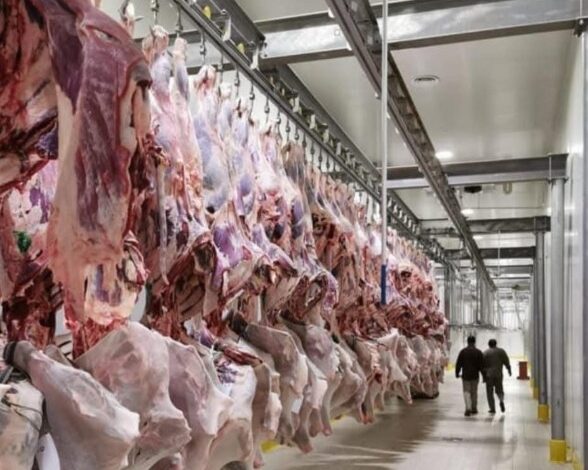
Sudan prepares to regain access to foreign meat markets by upgrading six slaughterhouses.
According to the plan, the six slaughterhouses will undergo modernization and technical rehabilitation in accordance with international health and veterinary requirements, including the development of slaughtering, cooling and preservation lines, and the strengthening of control and quality systems, to ensure that Sudanese products meet the requirements of imported markets, especially in the Gulf States, North Africa and some Asian markets.
Experts confirm that the war disrupted supply and transportation chains and impacted exports, leading to a decline in exports of live and chilled meat, despite continued external demand for Sudanese products. They believe that restarting slaughterhouses according to international standards is a crucial step toward restoring importers' confidence and enhancing the competitiveness of Sudanese exports.
The project is also expected to contribute to increasing the added value of livestock, through the export of processed and chilled meat instead of relying heavily on the export of live cattle, which achieves higher economic returns and provides new job opportunities in the fields of slaughtering, packaging, transportation, veterinary services and industries related to the sector.
Implementing this plan faces challenges related to securing funding, rehabilitating infrastructure, ensuring the stability of electricity and water services, as well as strengthening health oversight and developing veterinary laboratories to meet international standards.
Economic experts believe that the success of the slaughterhouse rehabilitation program will represent a turning point for Sudan's export sector, as it could contribute to increased foreign currency revenues, support producers and livestock breeders, improve the trade balance, and restore the reputation of Sudanese meat in global markets. With ongoing reconstruction and economic recovery efforts, Sudan is counting on the livestock sector to be a key driver of growth and a catalyst for reviving exports in the coming period.