Written by Omnia Hassan
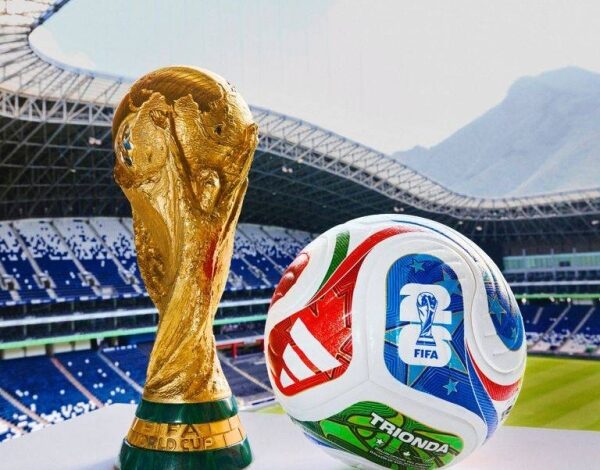
The crises casting a shadow over the 2026 World Cup continue, after visa procedures became a major obstacle for a number of national teams. African And its fans, which sparked a wide wave of controversy regarding the tournament's ability to maintain its inclusive global character.
Shock in Senegal: Fans outside the stands
In a development that has sparked widespread discontent, Senegalese authorities have announced the rejection of all visa applications submitted by fans wishing to travel to the United States to support the Senegalese national team during the World Cup.
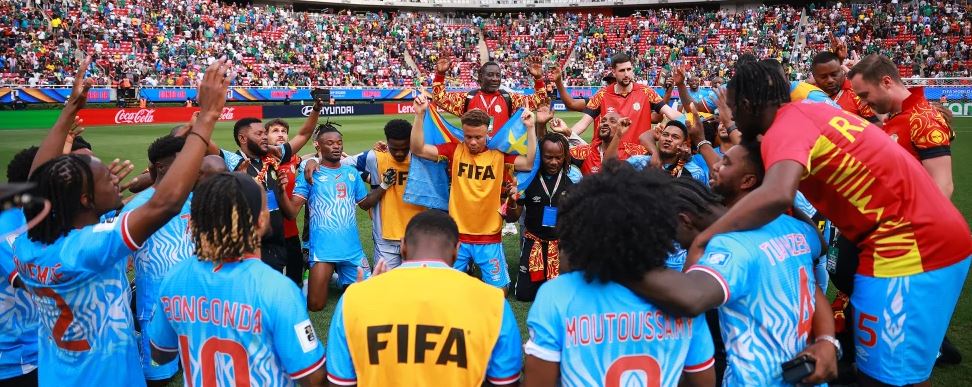
The authorities explained that all applicants for travel visas received rejection decisions, which means the absence of official fan delegations that were preparing to support the “Lions of Teranga” team in one of the most important global sporting events.
Ivory Coast faces the same fate
Senegal was not the only country affected by these measures, as the crisis extended to Ivory Coast, where visa applications from about 500 fans who were planning to travel to follow their national team in the tournament were rejected.
This decision is a major blow to Ivorian fans who had hoped to support their national team from the stands during their upcoming participation in the World Cup.
Unprecedented precedent affecting tournament referees
The crisis has gone beyond the fans to reach those responsible for managing the matches, after Somali referee Omar Abdulkadir Artan was prevented from entering the United States despite being officially assigned by FIFA to manage one of the tournament's matches.
This incident is a remarkable precedent in the history of the World Cup, as accredited refereeing personnel rarely face obstacles preventing their participation in the global event.
Concerns about the image of the World Cup
These developments raise increasing questions about the impact of visa policies on the success of the first 48-team World Cup. There are also growing concerns about declining fan attendance, particularly from Africa, which could dampen the festive atmosphere that characterizes the tournament.
In the absence of any official comment from FIFA or the US authorities so far, calls are growing for urgent solutions that ensure the participation of all parties in the world's biggest sporting event, and preserve the spirit of the World Cup as an occasion that brings people together before teams.