Queen Netfumbi Tuwala... the elephant who preserves the spirit of Eswatini
Queen Netfumbi Tuwala
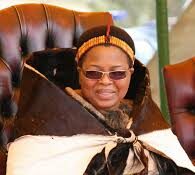
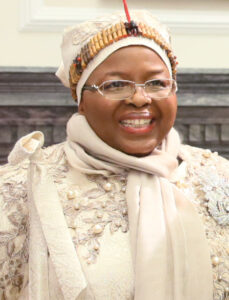
In the kingdom Eswatini “In what was formerly Swaziland, the political landscape is incomplete without the presence of "Ndlovukaze," or "the elephant woman." This is Queen Ntfumbi Tfwala, a woman who not only became the mother of the current King Mswati III, but also the spiritual and political pillar upon which the kingdom has rested for decades. So, who is this queen who embodies both... Authority And traditions?
Queen Netfumbi Tfwala was born in 1950 and was one of the wives of the late King Sobhuza II. After his death in 1982, her name came to prominence when she was chosen to be the “Great Wife” and regent between 1983 and 1986, where she played a pivotal role in protecting the throne for her young son, Mkhosetev, who later became King Mswati III. This role made her a pivotal figure in the modern history of Eswatini.
Dual rule in Eswatini
Eswatini’s system of government is based on what is known as ”dual monarchy,” where King Mswati III “the Lion” represents executive and administrative power, while Queen Mother Netfumbi “the Elephant” represents spiritual and national power.
This balance between the two authorities gives the government a traditional character based on wisdom, as major decisions are not made except with its advice, making it the primary reference in crucial matters.
spiritual and political role
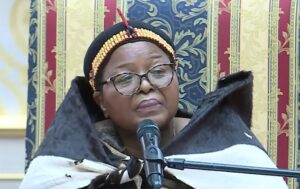
Queen Ntfumbi plays a key role in preserving the national rituals and sacred symbols of the kingdom; she is the faithful guardian of cultural identity.
She also oversees the annual Umhlanga (cane dance) festivals, a symbol of Eswatini's heritage. In addition, she leads initiatives to empower women economically and enhance their standing in society, becoming an influential voice in supporting women and advocating for their financial independence.
Global impact and timeless artistic image
The Queen Mother’s influence was not limited to the domestic sphere. In 1985, the world-renowned artist Andy Warhol immortalized her in a famous painting within the “Ruling Queens” series, placing her alongside the queens of Britain, the Netherlands, and Denmark as a global female icon of the 20th century.
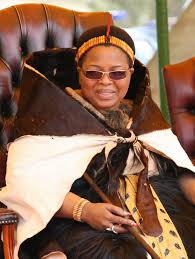
This artistic emergence has strengthened her position as a symbol of female power worldwide, and confirmed that her role extends beyond the borders of Eswatini to reach the international arena.
The spiritual capital of the kingdom
The village of Umfakatsi is known as the spiritual and ceremonial seat of the nation, where the Queen Mother resides, while the King lives in the royal village of Lilawu. This separation of the two capitals reflects the dual nature of the monarchy and underscores the Queen Mother's unique role in leading the nation spiritually and symbolically, ensuring that the spiritual capital remains the center for rituals and crucial decisions.
In conclusion, Queen Ntfumbe Tfwala is not just the mother of the king, but a safety valve that connects the glorious past with the changing present.