Cameroon has a surplus of electricity production, but a grid crisis is hindering its delivery to consumers.
Written by: Ayman Ragab
Cameroon's electricity crisis is no longer a lack of generating capacity, as several large hydroelectric projects have come online, raising the installed capacity to nearly 2,000 megawatts. The problem has shifted to the transmission and distribution network, where dilapidated infrastructure, technical losses, and poor revenue collection lead to persistent power outages, particularly in the economic capital, Douala.
On March 29, 2025, Douala experienced a widespread power outage that lasted 12 hours due to maintenance work on the main transmission line supplying the city. This led to the shutdown of industrial areas, food factories, and some hospitals, while the dams continued to operate normally and electricity was available, but it could not reach consumers.
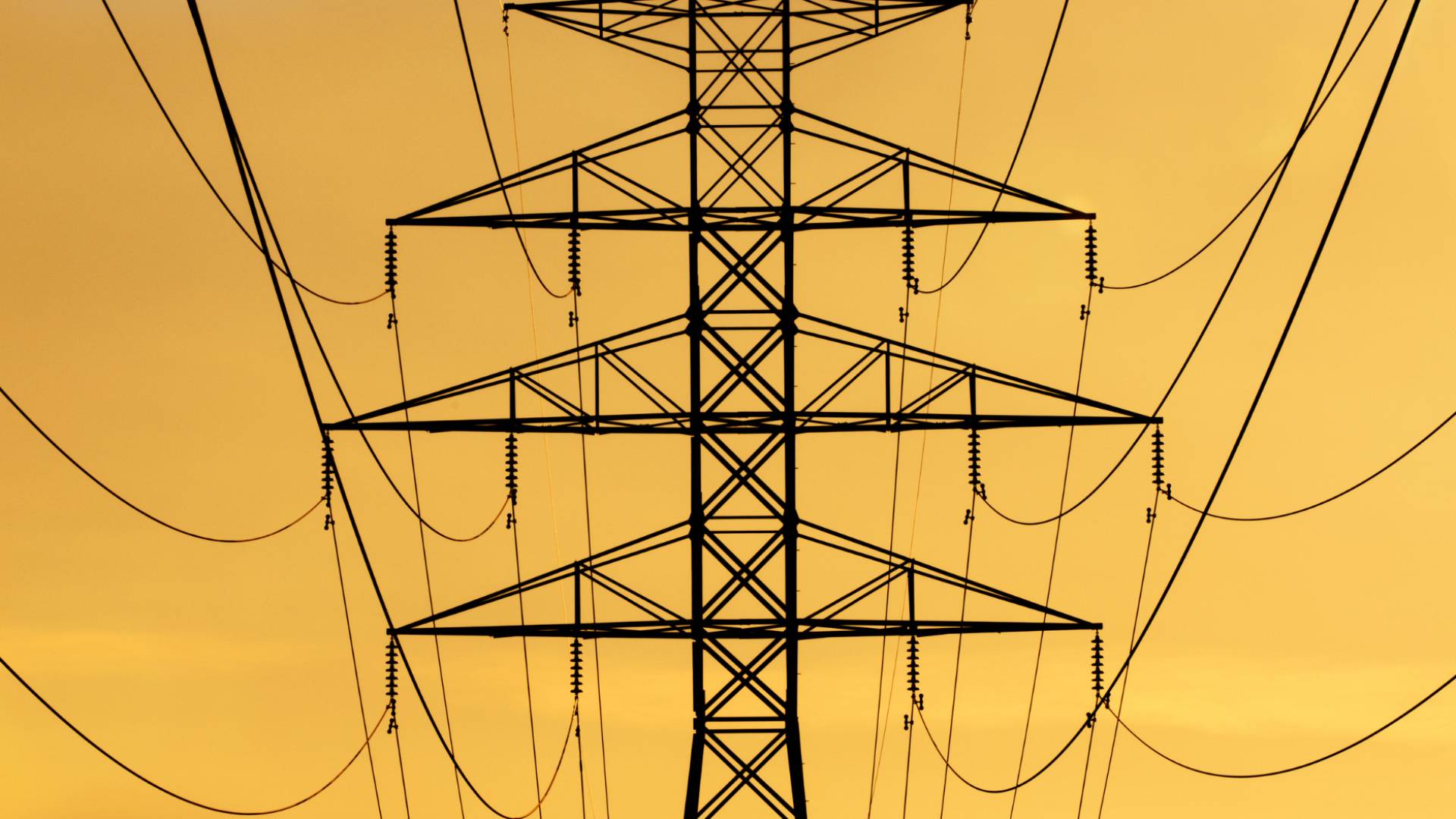
In January 2026, the Minister of Energy confirmed that the interconnected southern grid, which supplies the two main cities and most economic activity, had a generating capacity of 1,536 MW, compared to a national demand of 1,206 MW. Despite this theoretical surplus, power outages persist, with factories in Douala being the most affected.
For half a century, the main challenge was the lack of production capacity, but the full operation of the 420 MW Nakhtigal power plant during 2025, along with the contribution of the Lom Bangar power plant to regulating the flows of the Sanaga River, and the addition of the 211 MW Memfeli power plant, ended the production crisis and shifted the problem to the transmission and distribution networks.
A study prepared by the Electricity Regulatory Authority (ARSEL) and published in October 2022 indicates that the network loses 6.48% of electricity during transmission and 28.5% during distribution, with a target of reducing these rates to 5% and 14% respectively by 2031. The World Bank-supported “Mission 300” program also confirms that the efficiency of the distribution network is currently 73%, and is targeted to be raised to 88% by 2030, which means that nearly a third of the electricity produced does not reach the meters.
The Memphilly power station has also suffered for years from operating below its production capacity due to a lack of transmission lines, with the IDEA-Douala line being one of the most significant bottlenecks, as it transmits only 540 megawatts, while the region needs 671 megawatts.
When the Dibamba and Limbe thermal power stations shut down, the loads on the Logbaba transformer rise to 140% of its design capacity, and the Bekoko transformer to 120%, prompting the distribution company to cut off power to major consumers, primarily factories.
Cameroon's electricity grid remains divided between the north and south of the country, with no interconnection to allow the transfer of surplus hydroelectric power to the north, which relies more heavily on thermal power plants. An internal interconnection project is still under study, alongside a regional interconnection project with Chad costing 557.5 billion CFA francs.
The network also faces significant losses due to electricity theft, with the government estimating the value of the fraud at over 60 billion CFA francs annually, or approximately US$100 million. An inspection campaign last June uncovered 3,000 cases in three weeks in Yaoundé and Douala. Since the distribution company's return to public ownership, oversight measures have only recovered around 24 billion CFA francs, a small fraction of the total losses.
The financial crisis is further complicating the sector's situation. Electricity tariffs for households have remained unchanged since 2012, and ENE, renationalized in May 2026 under the name Socadel following the state's acquisition of the British investment fund Actis, owed the transport company Sonatrail approximately 273 billion CFA francs by 2025. The operator of the Nachtigal power plant also faces arrears of around 70 billion CFA francs, with new monthly bills approaching 10 billion CFA francs, while the government negotiates a 100 billion CFA franc credit facility to guarantee payment for the project. In January 2025, Globec reduced production at its two thermal power plants, which supply one-fifth of the country's electricity, due to payment delays.
Despite these investments, about a third of Cameroon’s population remains outside the electricity grid, and high connection, appliance, and billing costs drive many households to rely on firewood and charcoal for cooking, which has a negative impact on public health, as the World Health Organization links millions of premature deaths annually to indoor air pollution.
The crisis in Cameroon is similar to that in Nigeria, where the problem is no longer building new power plants, but rather ensuring the transmission of electricity and collecting payments. Experts believe that the success of the "Mission 300" initiative, which aims to provide electricity to 300 million Africans by 2030, will depend on developing transmission and distribution networks and reforming the financial system, not just on building new power plants.
In contrast, the World Bank-supported rural electrification project achieved positive results, successfully connecting 163,000 units to the electricity grid within 20 months through an installment payment plan, before raising its target to over 234,000 units. Additionally, the electricity sector reform program inaugurated a regional energy academy in Yaoundé in April to train technical and administrative personnel.
The report confirms that Cameroon has proven its ability to build hydroelectric dams, but the real challenge in the coming years will be in upgrading transmission and distribution networks, maintaining transformers, and improving revenue collection, in order to ensure that electricity reaches consumers daily and to support industrialization and economic development plans.