Iran's war ignites an energy crisis in Africa: record increases in gasoline and diesel prices
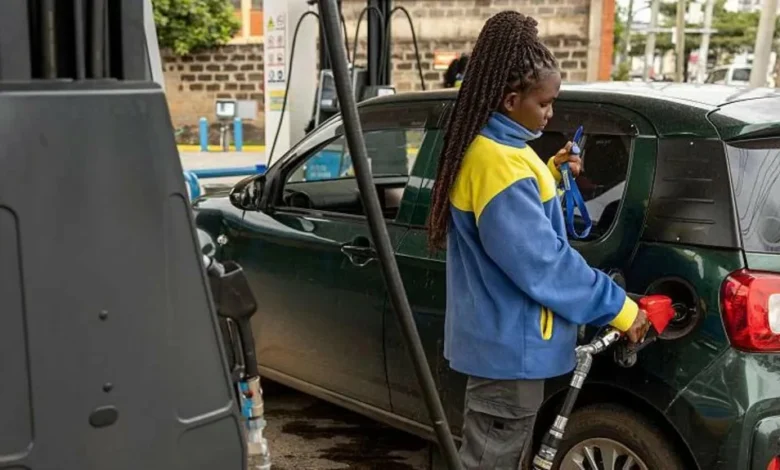
The African continent is witnessing an unprecedented wave of rising fuel prices as a result of the repercussions of the Iranian war, which led to a sharp increase in global oil prices, threatening to exacerbate inflation rates in various African countries.
Most African governments rely on imports of petroleum products, which makes them vulnerable to supply disruptions and global market fluctuations.
Energy crisis in African countries
South Africa
In South Africa, the government decided to cut fuel charges for one month in April in response to pressure from labor unions and business groups, in an attempt to curb further increases.
Ghana
In Ghana, the National Petroleum Corporation raised gasoline prices by 15% and diesel prices by 19%, while President John Mahama announced he was considering steps to support consumers, including reducing profit margins and entering into supply agreements with Nigeria’s Dangote refinery to secure alternative sources.
Malawi
The situation is more severe in Malawi, where the Energy Regulatory Authority has imposed increases of 34% for petrol and 35% for diesel, with record highs of 87% for diesel prices during the first three months of the year.
Tanzania
In Tanzania, authorities set a new ceiling for petrol and diesel prices at an increase of 33%, asserting that supplies remain sufficient to meet domestic demand.
Mauritania
In Mauritania, the government raised gasoline prices by 15.31 TP3T and diesel prices by 101 TP3T, while announcing measures to protect the most vulnerable families by raising the minimum wage and providing cash assistance.
Gambia
In Gambia, fuel prices rose by 18.79% for petrol and 12.20% for diesel, while other countries such as Botswana and Mali announced similar increases.
According to reports, these developments reflect the scale of the economic pressures facing Africa in light of the global oil crisis, as governments seek to balance protecting consumers and ensuring continued supplies, amid fears of long-term effects on economic growth and social stability.