Ebola is spreading in Congo; women top the lists of infections and deaths.
Women are most at risk as the Ebola outbreak escalates.
Written by: Mohammed Omran
As the Ebola outbreak intensifies within the Democratic Republic of Congo with a rapidly rising number of confirmed cases, more complex dimensions of the crisis are emerging, not only in terms of the spread of the disease, but also in terms of the groups most affected by it.
Women are most at risk as the Ebola outbreak escalates.
As the health system continues to face increasing pressure, women stand at the heart of the epidemic scene, as they are the most vulnerable to infection and the most present on the lines of care within homes and health facilities, in a pattern that is repeated with almost every outbreak, amid a clear lack of means of prevention and a widening scope of danger.
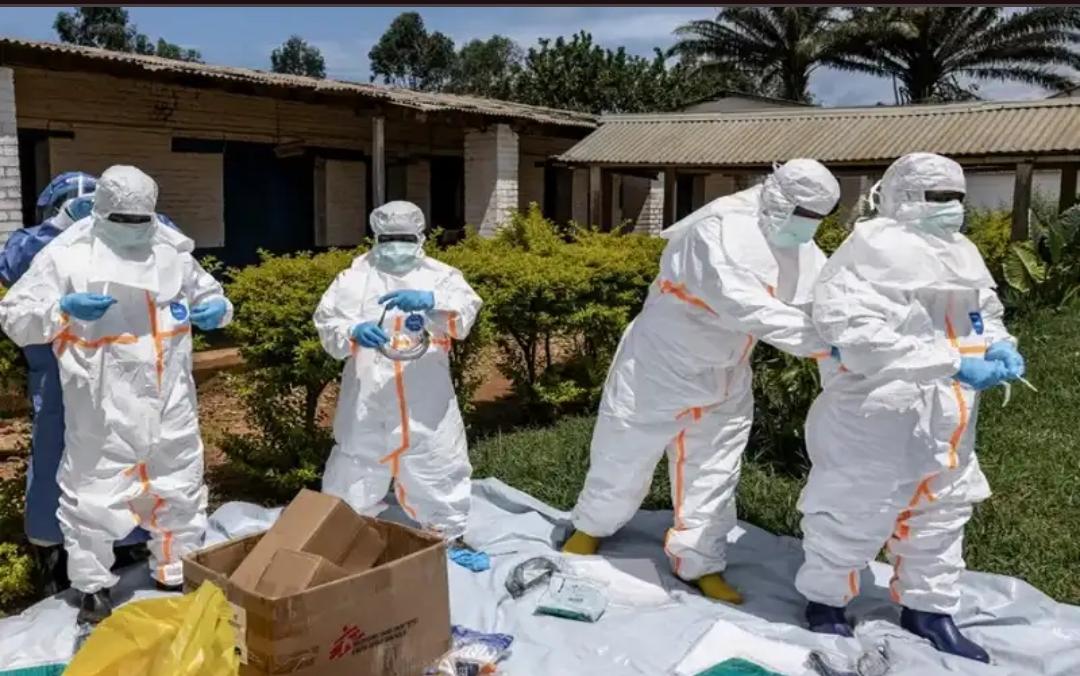
Health workers warn that women face an increased risk from the virus outbreak, especially with the rising number of confirmed cases, in conditions that make transmission easier within affected communities.
In this context, data indicates that women accounted for two-thirds of cases in the recent outbreak, due to their traditional roles in caring for patients within families, which increases their chances of being exposed to infection.
As UN Women explained in a previous statement, women have been overrepresented in Ebola deaths over the past five decades, noting that this pattern was clearly repeated during the 2018-2019 outbreak in Congo, where women and girls accounted for about two-thirds of the recorded cases.
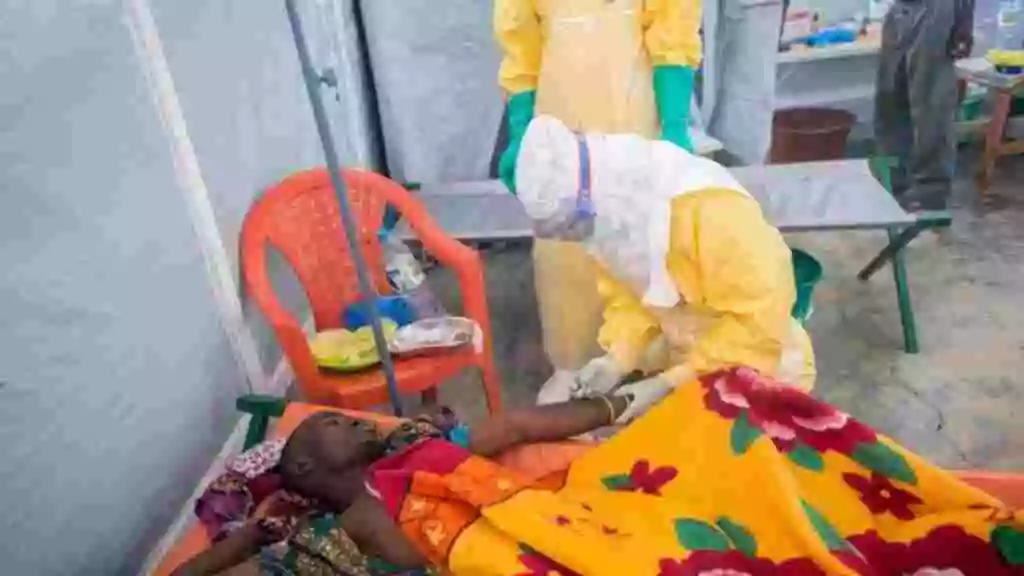
Experts believe that the continuation of this pattern in the current outbreak is likely, given the nature of the social roles played by women, and the lack of personal protective equipment, especially in health facilities.
Dr. Farha Elizabeth, director of the Kariponi wa Maman Gynecology and Obstetrics Clinic in Bunya, explains that women often bear the greatest burden in caring for patients within communities, saying that they perform direct tasks such as cleaning, feeding, and daily care for patients, which puts them at a high risk of infection.
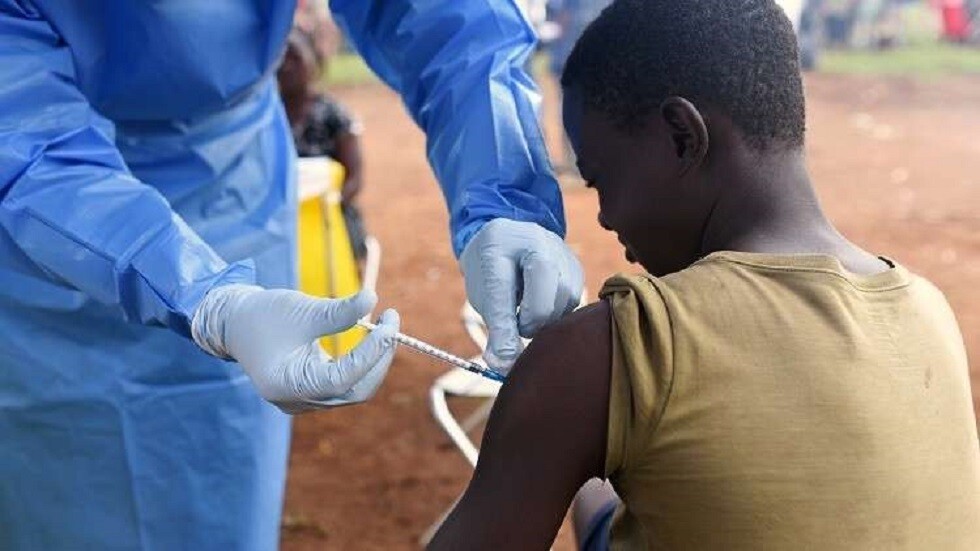
She added that women constitute a large percentage of workers in nursing and health facilities, which increases their chances of being exposed to the virus, especially given the limited means of protection. This, in turn, affects their families, as the infection can easily spread within the home, particularly affecting children.
In a development on the ground, health authorities announced that the number of confirmed cases in the Democratic Republic of Congo had risen to 282, most of them in Ituri province, along with cases in both North Kivu and South Kivu, in addition to confirmed infections in Uganda.
In contrast, World Health Organization Director-General Tedros Adhanom Ghebreyesus announced, during the opening of a new treatment center in Bunya, that five patients have recovered so far, indicating that the outbreak can be contained despite the escalating challenges.