Women's turn to agriculture in South Sudan: A step towards food security and economic independence
Written by: Ayman Ragab
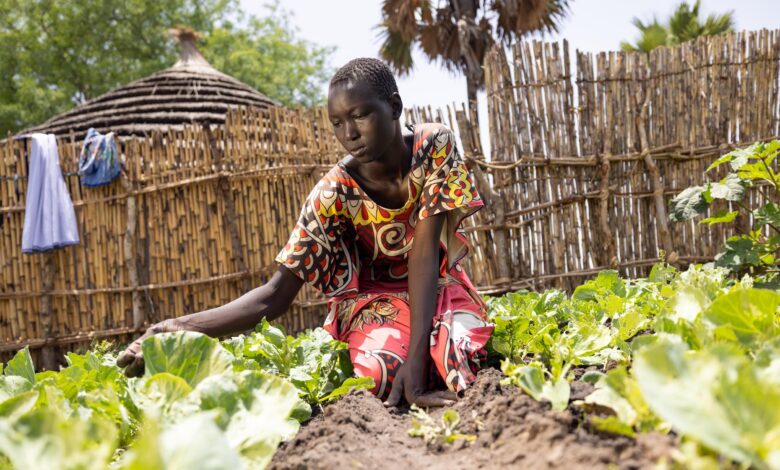
Many areas in South Sudan are witnessing a significant increase in women's participation in growing vegetables and seasonal crops, amid efforts to improve food security and increase household income, especially in rural communities.
The women work on growing crops such as tomatoes, onions, okra, spinach, jute mallow, and peppers, along with corn, peanuts, and other seasonal crops that meet the family's needs and provide a surplus that can be sold in local markets.
Government and community initiatives
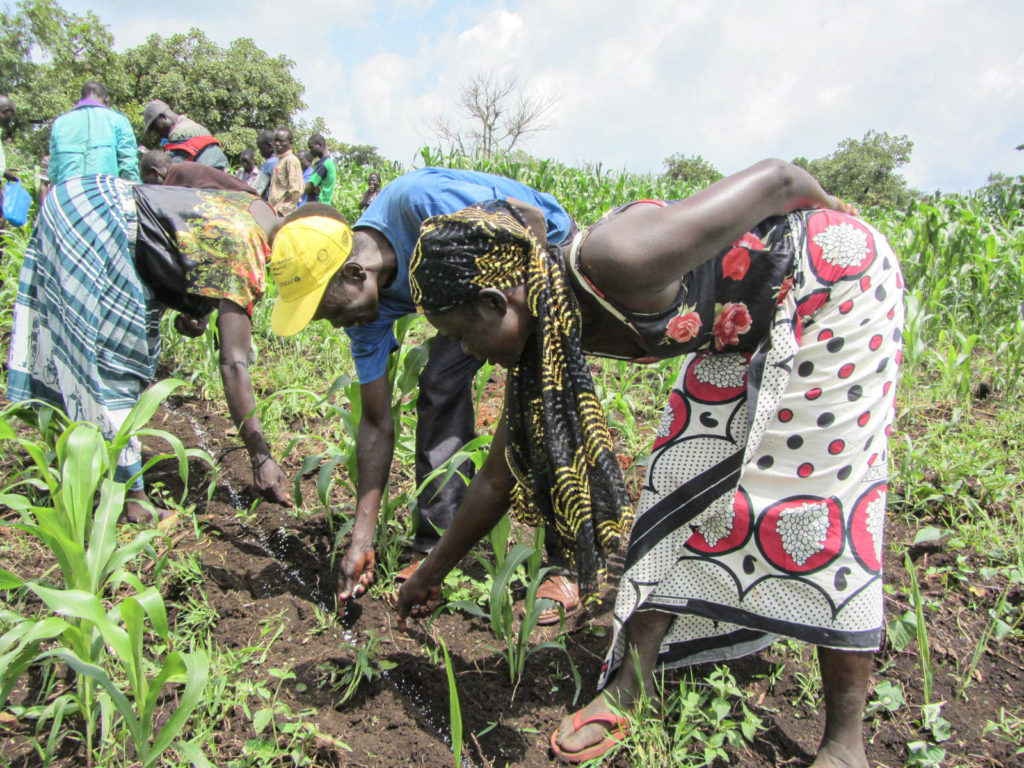
This trend is supported by initiatives implemented by the government and local and international organizations, providing agricultural training, improved seeds, and basic tools, with the aim of empowering women and enhancing their role in economic and social development.
Experts believe that women’s participation in agriculture not only contributes to providing food, but also helps to create stable sources of income, reduce poverty rates, and enhance the ability of families to cope with economic challenges and climate change.
Despite the remarkable progress, women still face many challenges, including limited access to finance, weak infrastructure, difficulty accessing markets, and the impact of floods and drought in some areas.
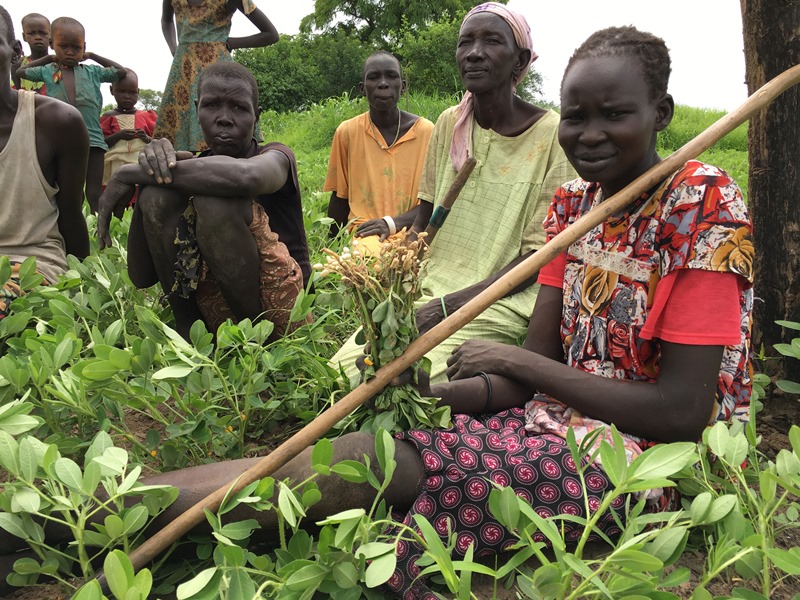
Development experts emphasize that investing in women farmers is one of the most important keys to achieving sustainable development in South Sudan, as enabling them to access modern resources and technologies directly improves agricultural production, enhances food security, and supports the national economy.