From the valley of poverty to the World Cup stadiums... How did Africans become the hidden force in the Ecuadorian national team?
The backbone of the "La Tricolore" team"
Written by Omnia Hassan
At a time when the percentage of citizens of origin does not exceed African In Ecuador, 8% out of the total population, their presence is strikingly prominent within the national football team, to the point that they have become the backbone of the “La Tricolor” team over the past decades, in a sporting and social phenomenon that deserves attention.
A confrontation against Saudi Arabia
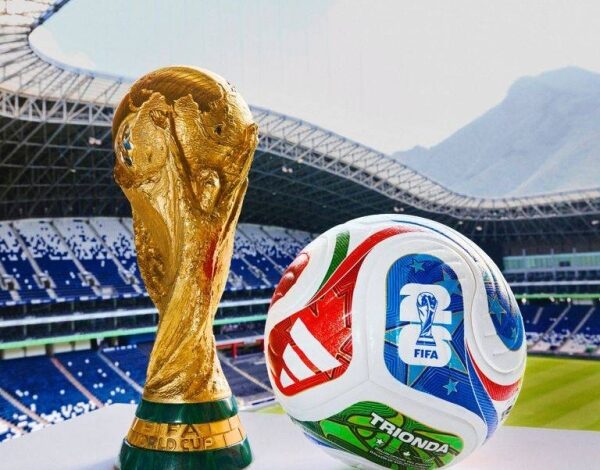
The Ecuadorian national team played a friendly match against the Saudi national team this morning, in the first appearance of the Greek coach Giorgos Donis at the head of the technical staff of the Green Falcons, as part of the final preparations for the 2026 World Cup finals, which will be hosted by the United States, Canada and Mexico next month.
El Chuta Valley, the factory of black stars
An academic study published in the Journal of Social Studies of the College of Mexico indicates that the large representation of Afro-Ecuadorian players in football is due to clear social and regional factors, most notably the El Chuta Valley region, which is one of the most important sources of football talent in the country.
The inhabitants of this region suffer from difficult economic conditions, as poverty and unemployment rates are higher than the national average. They have also suffered for decades from marginalization and weak government investments, which has made sports, especially football, one of the most prominent paths available to young people to achieve economic and social stability.
Alberto Spencer, the man who changed the scene
Before the 1960s, the Ecuadorian national team relied almost entirely on players of European origin or of the “mestizo” category, who are of mixed European and indigenous descent.
But the emergence of the legend Alberto Spencer marked a historic turning point, as it paved the way for black players to join the national team, gradually turning their presence into a prominent phenomenon in Ecuadorian football.
Numbers reveal the extent of the dominance
People of mestizo descent make up approximately 861,000 people of African descent, while those of African descent comprise only between 41,000 and 81,000 people of African descent. Despite this disparity, studies indicate that the representation of Afro-Ecuadorians in professional football is more than ten times their population size.
Clubs and national teams rely heavily on talent coming from regions such as Esmeraldas, Guayaquil and the Chuta Valley, areas with a higher density of people of African descent compared to the rest of the country.
From the achievement of 2002 to the 2026 World Cup
When Ecuador qualified for the 2002 World Cup for the first time in its history, approximately 651,000 players on the national team were Black. This strong presence has continued in various international competitions ever since.
As for the current national team roster led by Argentine coach Sebastian Picacici in preparation for the 2026 World Cup, estimates indicate that more than 80% of the players are of African descent, compared to a limited number of mestizo and white players.
Football is a path to a better life
Researchers believe that football in Ecuador is not just a popular sport, but a genuine means of social and economic advancement, especially in impoverished and marginalized areas. For thousands of young Afro-Ecuadorians, football stadiums have become a gateway to fame, stability, and the fulfillment of their dreams.
As Ecuador prepares to take on the challenges of the 2026 World Cup, members of African communities continue to play a pivotal role in creating the team's successes, proving that talent and determination can overcome demographic disparities and difficult economic conditions to create an exceptional sporting history.