The Desso Corridor: A new trade artery redrawing the map of economic connectivity
Quadripartite Memorandum of Understanding
Written by Amina Hassan
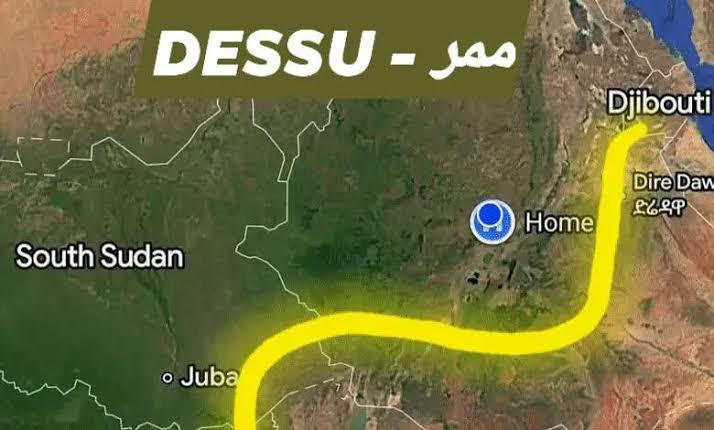
Ethiopia, South Sudan, Uganda and Djibouti signed a memorandum of understanding to launch the Djibouti-Ethiopia-South Sudan-Uganda Corridor project, known as «DESSU», in a strategic move aimed at strengthening economic integration and improving regional trade connectivity between East African countries.
The project aims to connect the three landlocked countries — Ethiopia, South Sudan and Uganda — to the vital port of Djibouti on the Red Sea, facilitating import and export operations, reducing transit time and costs across borders, and giving these countries a more efficient and stable trade access to global markets.
Modern infrastructure and unified border points
The corridor includes the creation of Single Border Points (OSBPs), an advanced mechanism to reduce customs complexities and speed up the movement of goods and passengers. It also includes the development of roads and ports, with future plans to introduce railways, making the corridor an integrated multimodal transport network.
This modern infrastructure will reduce shipping costs, shorten transit times for goods, increase trade volume between the four countries, and support regional supply chains.
African funding drives the project to implementation
Ethiopia and Djibouti have already begun implementing their part of the project, after the African Development Bank approved $214.5 million in financing in December 2025, as part of the second phase of the project, giving the corridor a strong boost towards actual implementation on the ground.
Quadrilateral cooperation is a model for regional integration.
The DESSU corridor is not just a transport project, but a practical model of four-way cooperation between the four countries, where roles are integrated between a country with a strategic sea outlet like Djibouti, countries with significant population and economic weight like Ethiopia and Uganda, and a country promising resources like South Sudan.
This cooperation reflects a new trend in East Africa towards building regional partnerships based on shared economic interests, rather than individual reliance on traditional corridors.
Broad economic and investment prospects
The corridor is expected to attract investments, stimulate intra-regional trade, and create new job opportunities along its route, in addition to enhancing food and industrial security by facilitating the movement of goods and raw materials.
The DESSU corridor is one of the most prominent strategic projects that is redrawing the map of economic connectivity in East Africa, and opening up new horizons for integration and sustainable development in the region.