Mohamed Ragab
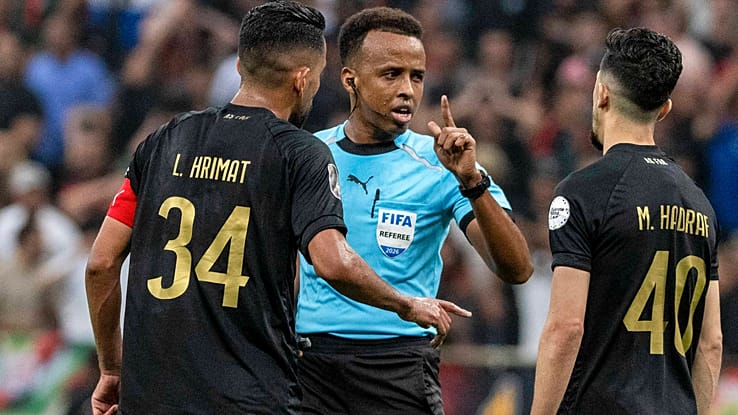
The decision by US authorities to prevent Somali referee Omar Abdulkadir Artan from entering the United States to officiate matches at the 2026 World Cup has sparked widespread anger and resentment within Somalia, with many considering the move a painful blow to Somali sports and to one of the country's most prominent sports figures.
The crisis comes just days before the start of the tournament, which is being hosted by the United States in partnership with Canada and Mexico.
Artan was preparing to make history as the first Somali referee to officiate World Cup matches, after establishing himself as one of the most prominent referees in the African continent and winning the Best African Referee Award for 2025.
Detention and interrogation before deportation
According to media reports, Ertan arrived at Miami International Airport from Istanbul, where he was subjected to hours of questioning by U.S. Customs and Border Protection officials, before being informed that he was not allowed to enter the country due to what authorities described as "security screening concerns," without disclosing further details.
US authorities confirmed that all travelers, including players, referees, and officials involved in the World Cup, are subject to security screening and checks before being granted entry into the country.
The decision harmed the ambitions of Somali governance and sports.
The Somali Football Association expressed its disappointment with the decision, stressing that Omar Artan had worked for many years to reach this historic stage.
Federation officials said that preventing him from participating not only affects his personal career, but also reflects negatively on the image of Somali football and the aspirations of young athletes in the country.
Many Somali citizens described the decision as “painful and frustrating,” considering that Artan had become a symbol of sporting success in a country that has suffered for decades from security and political challenges.
FIFA confirms it does not interfere in immigration decisions
For its part, FIFA clarified that decisions regarding granting visas and allowing entry remain within the jurisdiction of the host country, stressing that it does not interfere in procedures related to immigration or border control.
He noted that “Artan” will not be able to participate in the tournament or attend the referees’ training camp held in the United States.
The reports noted that the exclusion of the Somali referee highlights the challenges related to travel and immigration restrictions faced by some participants in the World Championship, especially those coming from countries subject to strict US entry restrictions.
A crisis that transcends sports
Observers believe that the issue has gone beyond the sporting framework to become an issue that affects the image of the 2026 World Cup, especially with the increasing criticism regarding the impact of immigration policies on the players, officials and referees participating in the tournament.
While the Somali government and the football federation continue to pursue the case, Omar Artan remains one of the most prominent symbols of sporting success in Somalia, despite being denied a historic opportunity that would have made him the first Somali referee to officiate matches in the World Cup finals.