Zimbabwe: Between Lithium Wealth and Refinery Complexity... A Race Against Time Before Export Ban
Mounting pressure to extend the deadline before 2027
Written by Omnia Hassan
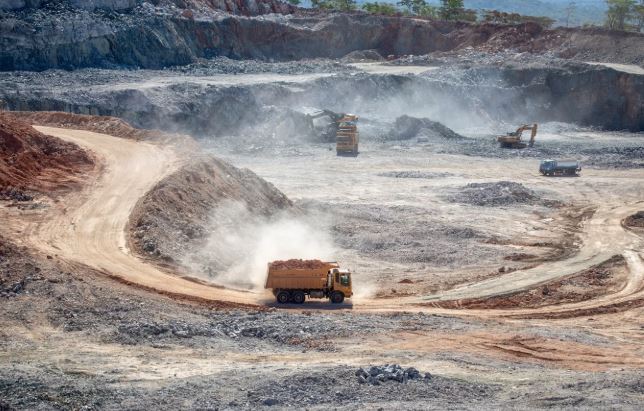
Lithium mining companies in Zimbabwe are seeking an extension from the government to postpone the planned ban on exporting lithium concentrates until January 2027, in a move that reflects the significant challenges the country faces in building an integrated value chain for the battery metals industry.
Producers confirm that the ongoing projects to construct local processing plants still need additional time to be completed and become operational.
National strategy to maximize added value
These demands come amid a strict government policy aimed at preventing the export of unprocessed raw materials and promoting manufacturing processes within the country.
A complete ban on the export of lithium ore and compounds.
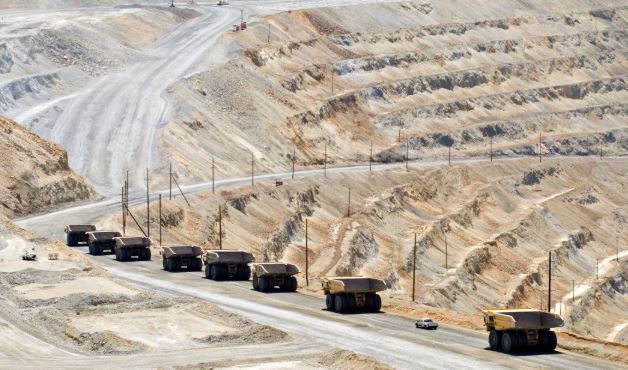
Zimbabwe had imposed increasing restrictions since 2022, including a ban on lithium ore exports, before later announcing its intention to completely halt exports of concentrates by 2027, as part of a strategy to increase economic returns from the vital minerals sector.
Huge investments, but processing is delayed.
Despite the influx of huge Chinese investments into Zimbabwe’s mining sector from major companies, progress in building local processing capacity remains slow.
Data from the sector indicates that only one lithium sulfate production facility is currently operational, while other major projects are still in the construction or technical study phases, revealing the gap between ambitions and policies on the ground.
Concerns about disruption to global supply chains
Zimbabwe is Africa’s largest lithium producer and an important supplier to the electric vehicle battery market, especially to China, which imports huge quantities of spodumene. Any disruption to export flows could have repercussions on global supply chains, at a time when demand for battery minerals is growing rapidly.
Between quick returns and long-term vision
Despite exporting more than 1.1 million tons of lithium concentrates in 2025, revenues remained relatively stable, reinforcing the government’s conviction that a shift towards domestic manufacturing is necessary.
However, the private sector warns that accelerating the ban before the industrial infrastructure is complete could put pressure on production and affect the attractiveness of investment in one of the world's fastest-growing lithium markets.