To ease the debt burden, Zimbabwe returns 67 farms to white farmers.
White farmers are close to returning to their lands in Zimbabwe
Written by Ziad Abdel Fattah:
Zimbabwe's agriculture minister said the country will reclaim 67 farms that were Seizure It has foreign investors from four European countries covered by bilateral investment agreements, as part of its efforts to repair relations with Western countries while struggling to alleviate its debt burden.
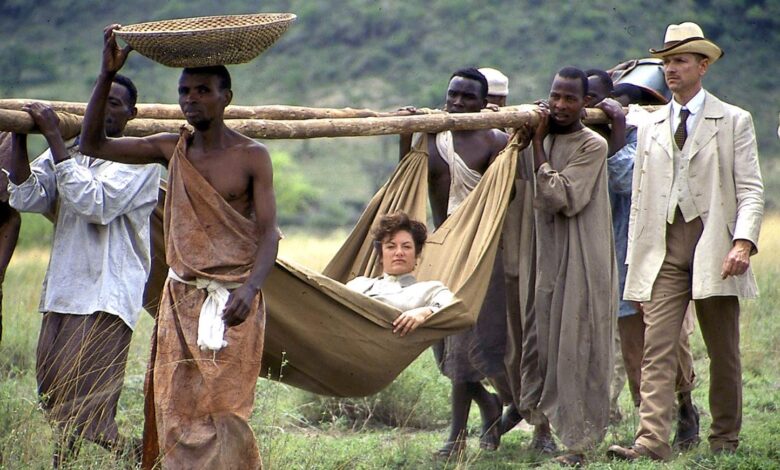
The southern African nation began seizing white-owned farms under its late leader, Robert Mugabe In 2000, in a move the government at the time said was aimed at resettling landless Black people and addressing land ownership imbalances dating back to the colonial era.
The confiscations devastated commercial agriculture, caused the currency to collapse in 2008, and left Zimbabwe struggling to feed itself.
White farmers are close to returning to their lands in Zimbabwe
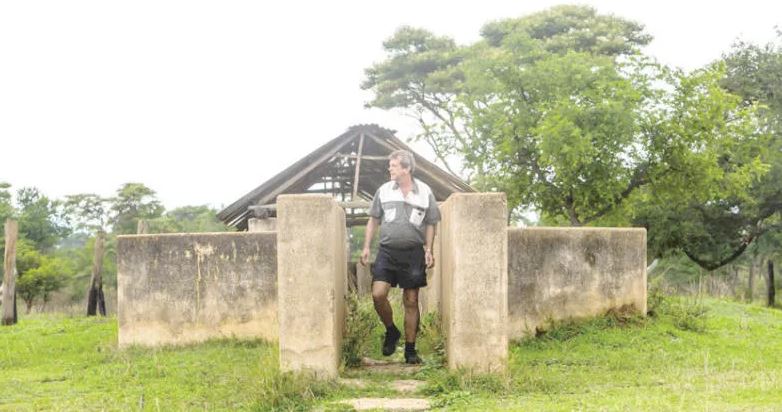
President Emmerson Mnangagwa, Mugabe's successor, sought to improve relations with Western governments that had imposed sanctions on Zimbabwe over land grabs and allegations of wider human rights abuses.
The land reclamation campaign is part of its efforts to secure debt relief, after being excluded from the global financial system for more than two decades following defaults on debts owed to international lenders.
$13.6 billion in external debt
Its external debt stood at $13.6 billion in September 2025, of which $7.7 billion was in arrears. International lenders have demanded reforms, including the resolution of land disputes, as a condition for debt relief.
Agriculture Minister Anxius Masuka told lawmakers on Wednesday that the government would return the 67 farms to citizens of Denmark, Switzerland, Germany and the Netherlands because they are covered by bilateral investment protection agreements.
European countries are part of a group of Western nations discussing debt relief with Zimbabwe, and they are also important donors to the country.
The International Monetary Fund has approved a 10-month staff-supervised program in Zimbabwe as the country seeks to build a track record of economic reforms. The program does not include any financing.
Mnangagwa, a longtime Mugabe ally, agreed to a $3.5 billion compensation deal with about 4,000 white farmers in 2020, but the government was in dire financial straits.