Zambia makes free education a legally binding right for all
Will Zambia's new law succeed in establishing free education?
Written by: Mohammed Omran
In a move described as historic, the president signed Zambia Hakainde Hishilema introduced new legislation enshrining free education as a legally binding right for all children, transforming a policy that had been administrative since 2021 into a constitutional obligation that promotes social justice, ensures that no child is deprived of education due to poverty, and opens the door to broader reforms in the structure of the Zambian state and its developmental future.
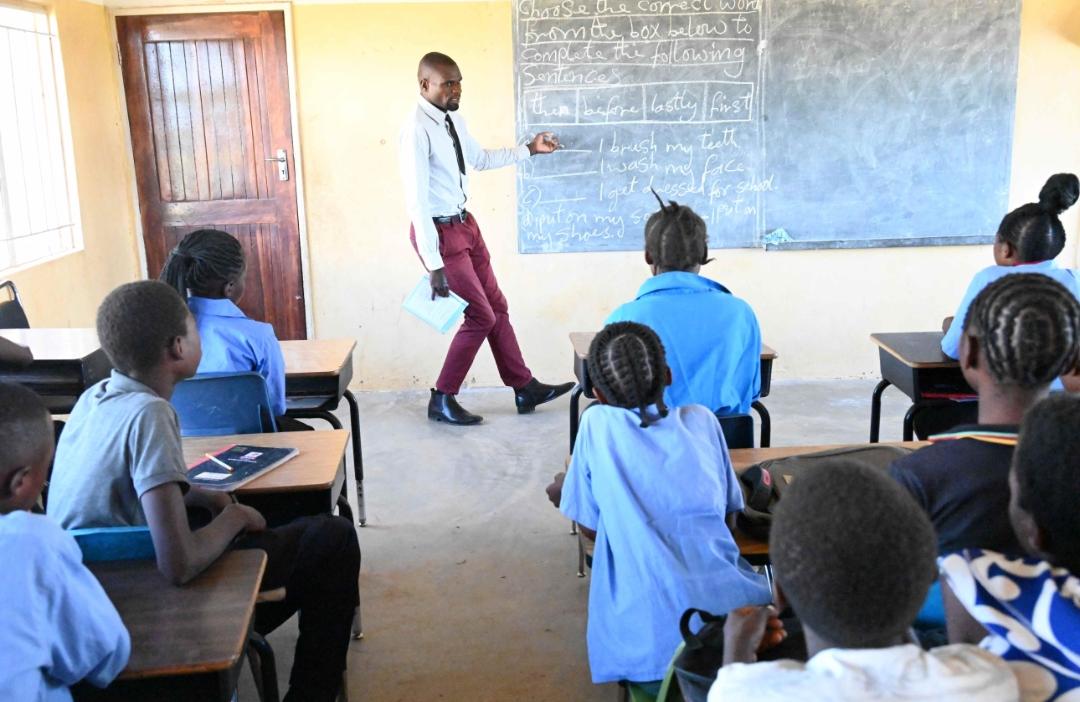
Will Zambia's new law succeed in establishing free education and ensuring educational equity?
The new law makes free education a legal right, ensuring that no learner is denied a place in a public school because of an inability to pay fees.
In a statement, President Hichilema described the move as a “historic day for Zambia,” saying the legislation guarantees free education for future generations and enhances protections for workers and retirees through broader reforms contained in the same bill.
Hishilima said: “These reforms will improve the lives of millions of Zambians, from classrooms to workplaces and even retirement, while providing greater dignity, security and hope for our people.”.
Zambia makes free education a legally binding right for all
Free education was one of Hichilema's most prominent campaign commitments during the 2021 election, and it was implemented shortly after he took office.
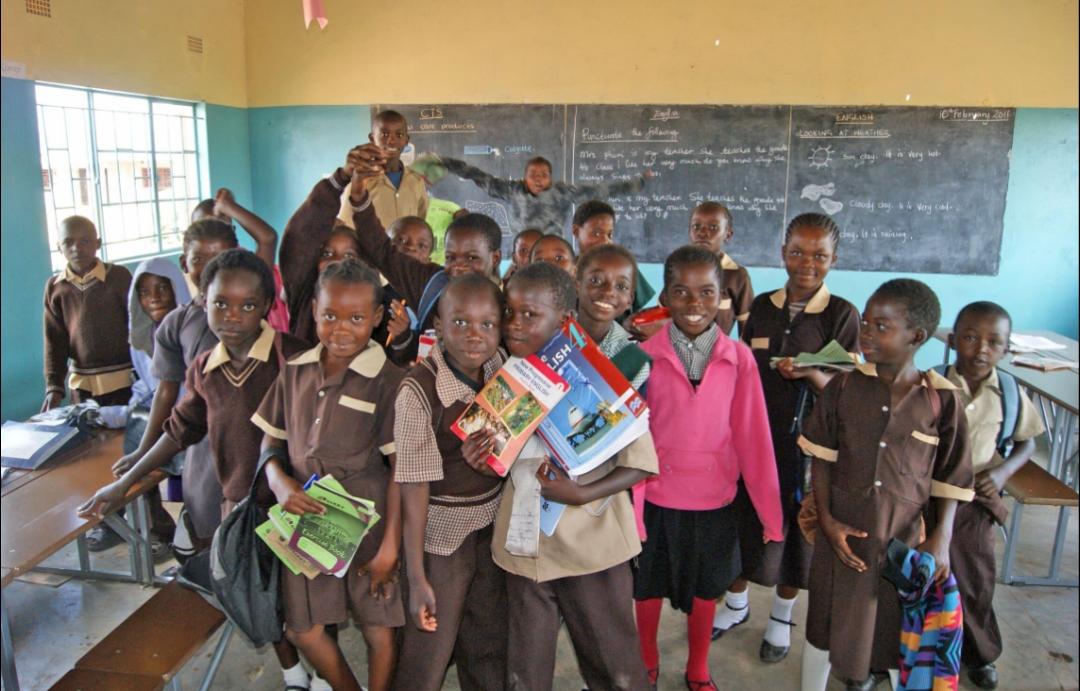
This policy led to the elimination of tuition fees from early childhood through high school, resulting in a significant increase in enrollment, the hiring of over 41,000 teachers, and the expansion of school feeding programs.
However, the initiative has so far remained an administrative procedure rather than a legal right, resulting in gaps in implementation and concerns about long-term sustainability.
By signing the bill, the government has now enshrined the policy in law, giving learners and families a clear basis for redress if schools attempt to impose illegal fees.

The legislation also aims to promote accountability throughout the education system and ensure that future administrations cannot reverse policy without parliamentary approval.
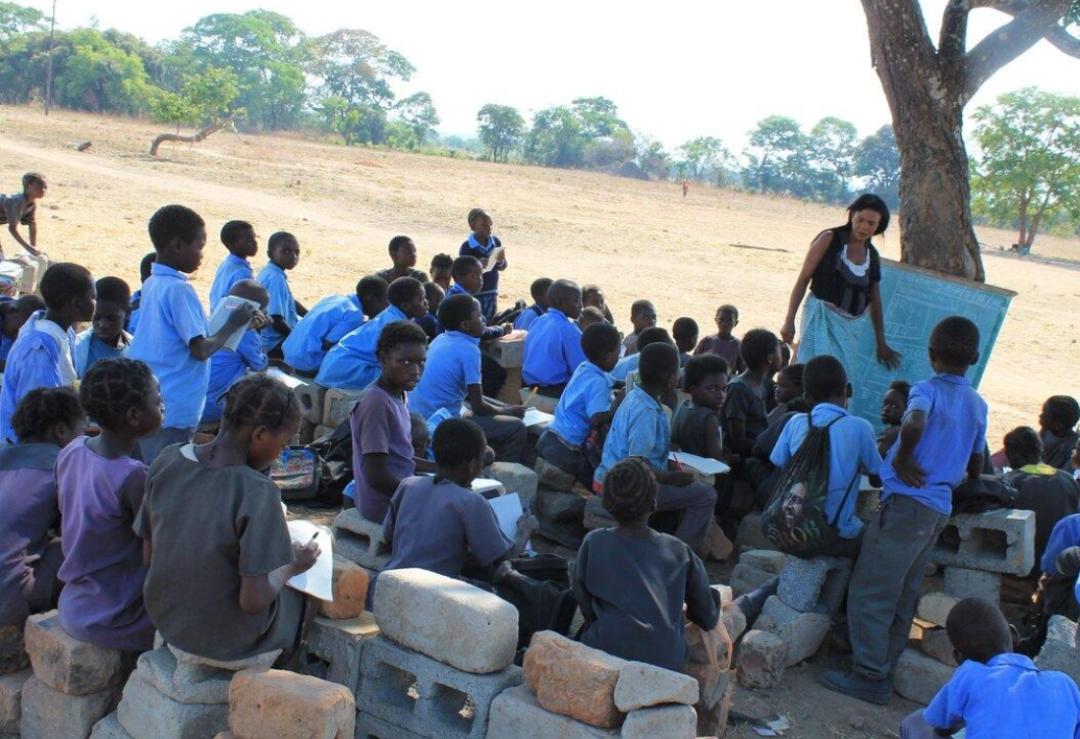
The government says the new law will help protect equality, improve literacy outcomes, and support Zambia's long-term development goals.