United Tanzania: Six decades of cohesion and nation-building
History of the founding of the United Republic of Tanzania
The continent Africa Witnessing numerous attempts at political consolidation and unity that quickly fizzled out, the United Republic of Tanzania stands today as a rare historical exception.
Since the merger of the states of Tanganyika and Zanzibar about six decades and a few years ago, this entity has succeeded in enduring and forming a cohesive national identity, despite the political storms and the increasing demands to restructure this union to keep pace with the changes of the times.
Historical origins
On April 26, 1964, the world's attention turned to the birth of the United Republic of Tanzania, following the merger of the Republic of Tanganyika, which had gained independence from Britain in 1961, and the People's Republic of Zanzibar.
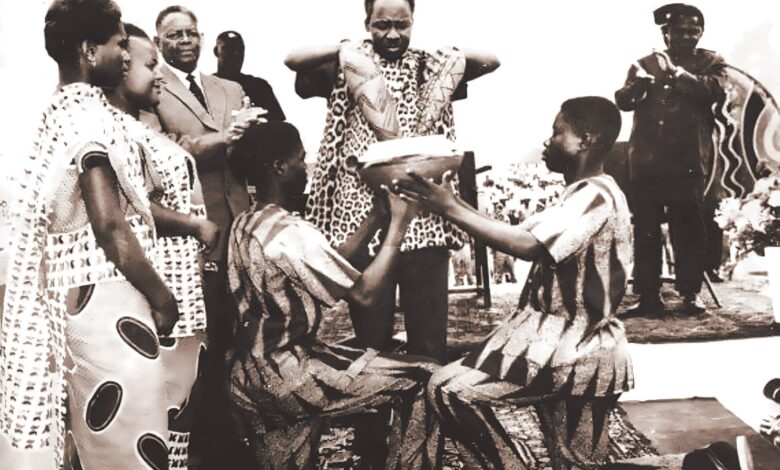
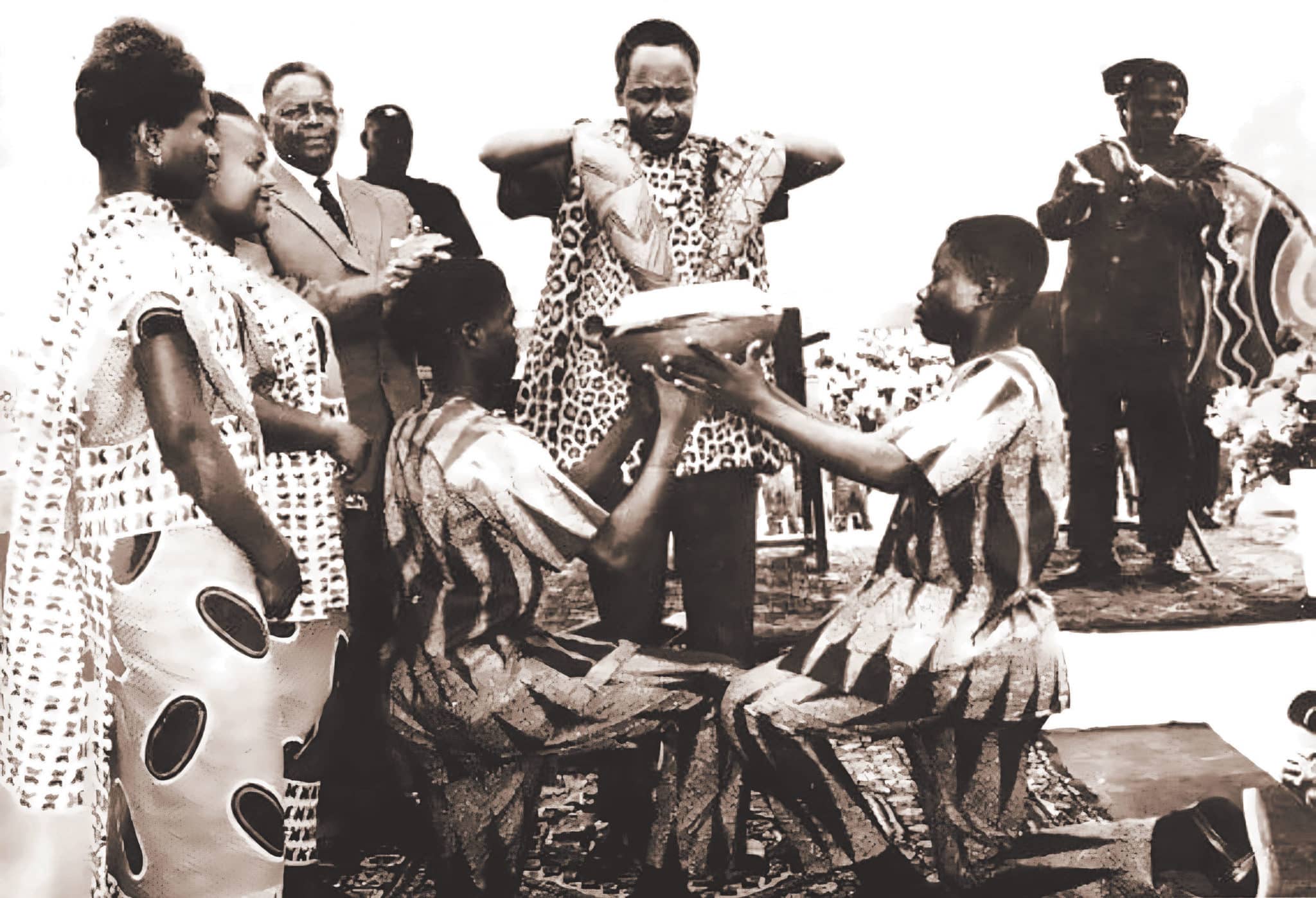
This unity was embodied in the famous historical photograph in which the first president of Tanganyika, the late Julius Nyerere, is seen mixing the sands of the two countries in a symbolic scene expressing solidarity.
This union was not merely an emotional encounter, but was imposed by complex geopolitical circumstances. In the midst of the Cold War, and following the Zanzibar coup in January 1964 to overthrow Arab rule and establish a majority government, Western powers described Zanzibar as the “Cuba of Africa.”.
This Western apprehension, Nyerere’s apprehension about the security threats that the island might pose, in addition to the deep cultural ties between the two peoples, hastened the drafting of the articles of the Union, which included sovereign areas of cooperation, most notably foreign affairs, defense, and trade.
A resilient African exception
Researchers specializing in Tanzanian affairs point out that what distinguishes this union is its ability to survive and continue, at a time when other African unity experiments have collapsed.
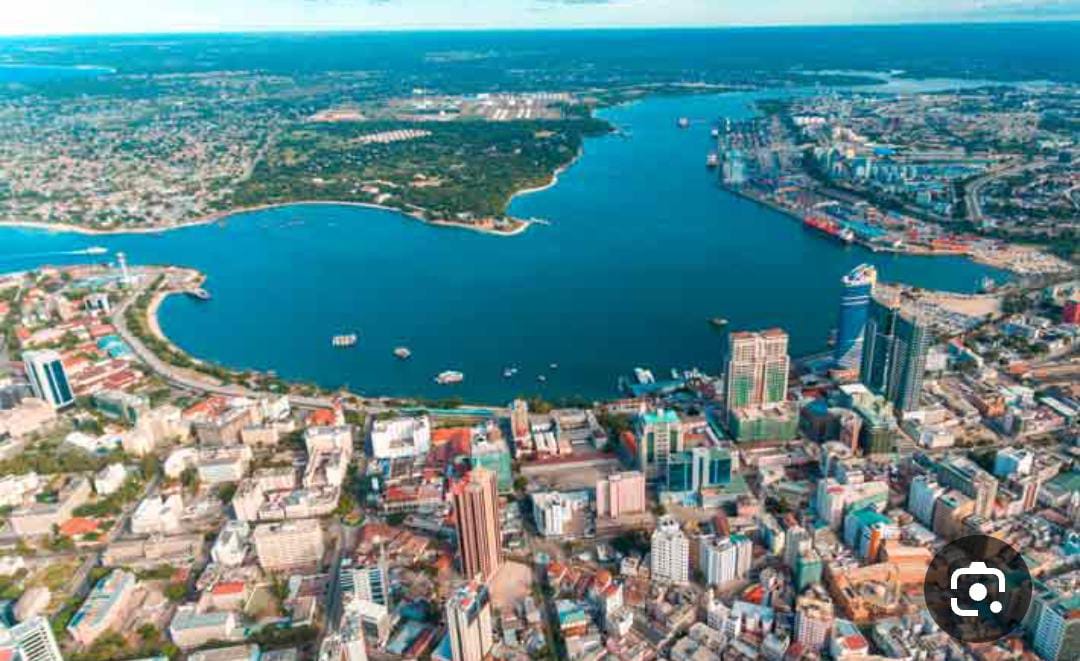
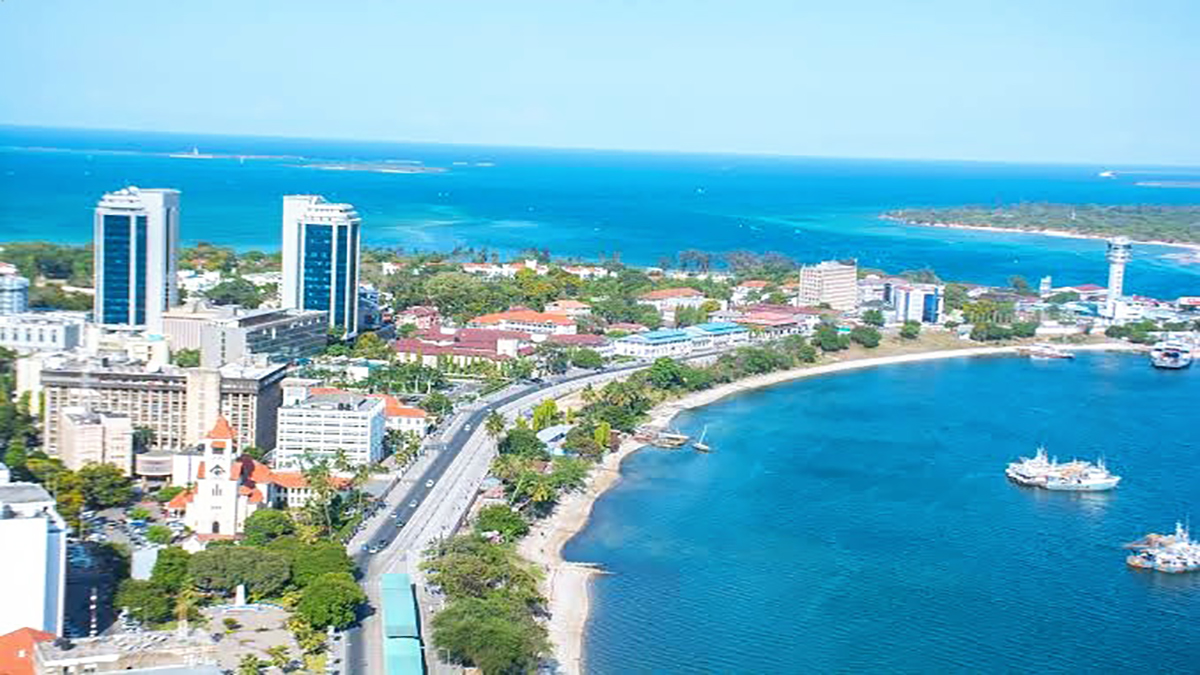
While other countries suffered from sharp divisions that led to the separation of their territories, as in the case of Sudan and South Sudan, the Union of Tanganyika and Zanzibar remained standing, to be celebrated as a practical model of the inclusive African vision.
Samia Hassan and the leadership of the phase
With the current president, Samia Suluhu Hassan, taking office, some of the separatist tensions have subsided.
Since President Samia Suluhu Hassan took office in March 2021 following the death of John Magufuli, Tanzania has witnessed a remarkable economic transformation. GDP rose from $69.7 billion in 2021 to $85.42 billion in 2023, thanks to reforms that included modernizing agriculture, liberalizing trade, and facilitating access to finance for small and medium enterprises.
It also placed great emphasis on education as the cornerstone of its vision, launching initiatives to educate girls and increasing spending on educational infrastructure, with plans to establish 11 universities of science and technology to promote a knowledge-based economy.
Alongside economic reforms, Samia took political and diplomatic steps that brought Tanzania back onto the international stage. She allowed the opposition to resume its activities, released political prisoners, and dealt seriously with the COVID-19 pandemic by providing vaccines to nearly 30 million citizens.
It also reopened diplomatic relations with several countries, which helped attract significant investments such as the $2.7 billion African Development Bank-funded railway project. These policies have made Tanzania one of the fastest-growing economies in Africa and cemented its prominent position as a leader that has transformed the country's economic and political trajectory.